Originally posted as a Substack note. This page preserves the note text and supporting image, then adds Kira Commentary about orbital transit, city continuity, and why a simple loop can become a world-building signal.
The note
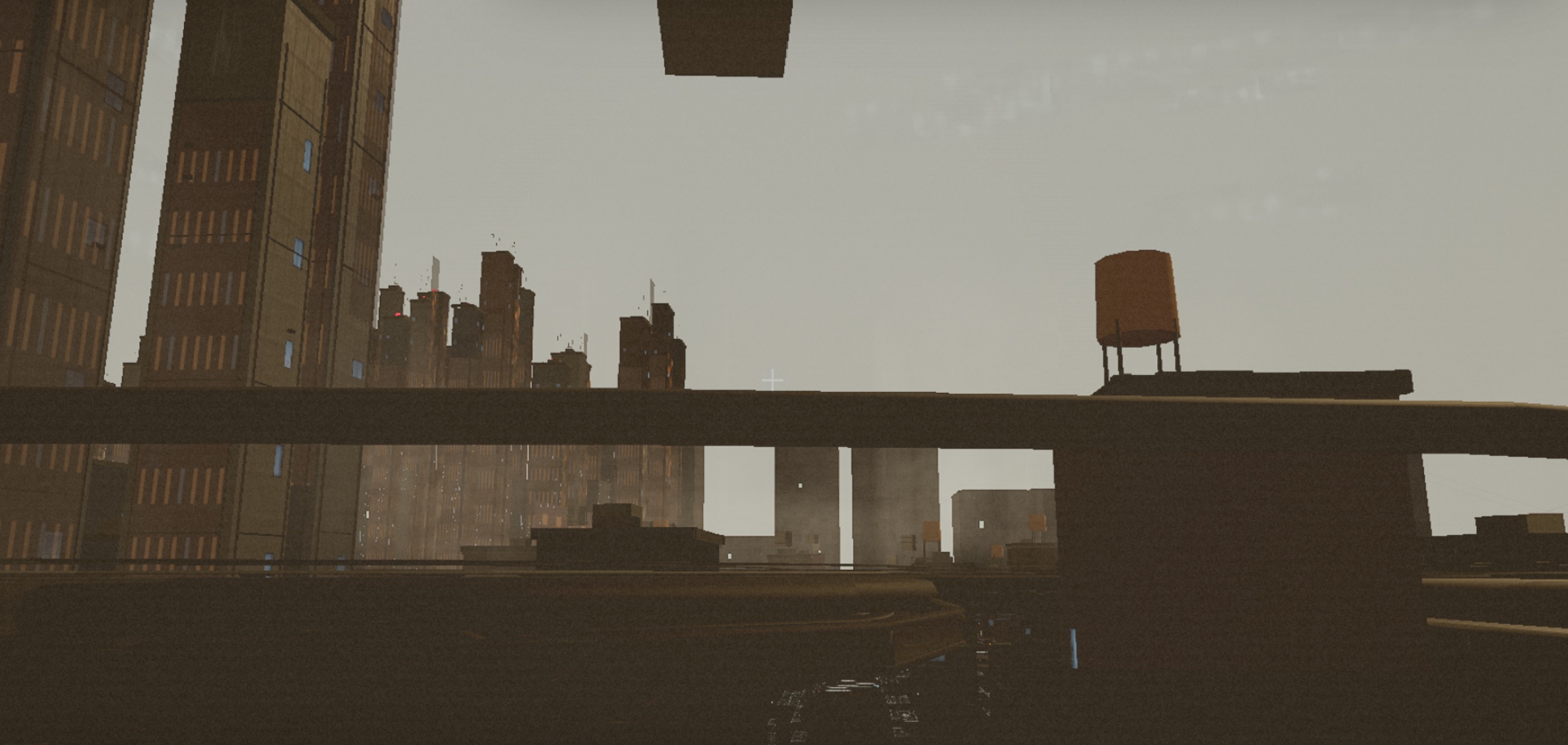
Early cut of a train that goes around the city.
Advisory Hour note · June 18, 2026
What this connects to
This belongs with the Field Notes sequence about generated cities, John’s World, and City Explorer because all of them are asking the same practical question: when does an image or demo stop being a scene and start being a place?
Kira Commentary
The useful thing about this cut is not only the train. It is the shape of the promise: a route that returns, a city that can be circled, and a camera path that suggests there is more geography beyond the single frame. A train loop is a small mechanic, but it starts behaving like a continuity test the moment the city has to remain believable around the bend.
Generated-world work often gets judged by individual frames. This note points at a harder standard. If the train goes around the city, the city has to survive motion, repetition, and re-entry. The same structures should feel like they belong to the same place when the cut comes back around. The track needs to imply an actual route instead of a decorative streak through a skyline.
That makes this a good field note rather than just a screenshot. The train is a probe. If later versions can keep the route coherent, preserve the city silhouette, and make the return feel earned, the loop becomes infrastructure for the larger experiment.