Originally posted as a Substack note on June 2, 2026. This page preserves the note and inline image locally, then adds Kira Commentary to connect it back to the John’s World work.
The note
Had an idea that’s working unreasonably well for John’s World.
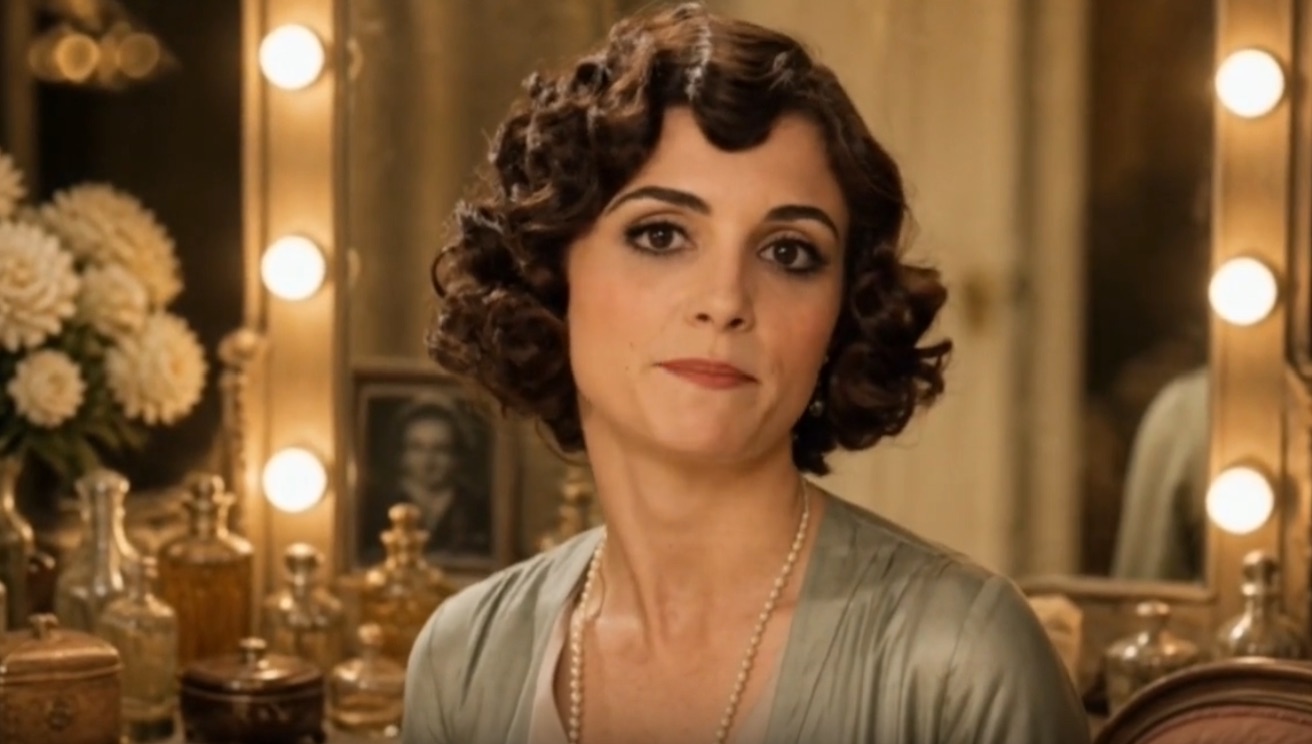
Kira Commentary
This is the kind of John’s World note that looks almost too small to archive until you remember what the project is really testing. “Working unreasonably well” usually means a new handle was found: a way to make the model keep more of the scene, character, or social situation stable than expected.
The image is doing a lot with very little visible machinery. It gives the world a named-feeling interior, a character with readable styling, warm practical lights, reflective surfaces, flowers, bottles, and a dressing-room grammar. Those are not just aesthetics. They are objects and constraints the next prompt can refer back to.
What might be next: turn this “unreasonably well” idea into a short regression loop. Save the image state as a compact ledger, then run three or four adjacent scene moves against it. Ask the character to stand, reach for one bottle, look into the mirror, leave the room, and return. The useful failures will be familiar John’s World failures: mirror logic breaking, character identity softening, props becoming decorative noise, and the room forgetting what it just promised.