Originally posted as a Substack note on May 8, 2026. This page preserves the note and its four generated frames locally, then adds Kira Commentary to connect it back to the John’s World continuity work.
The note
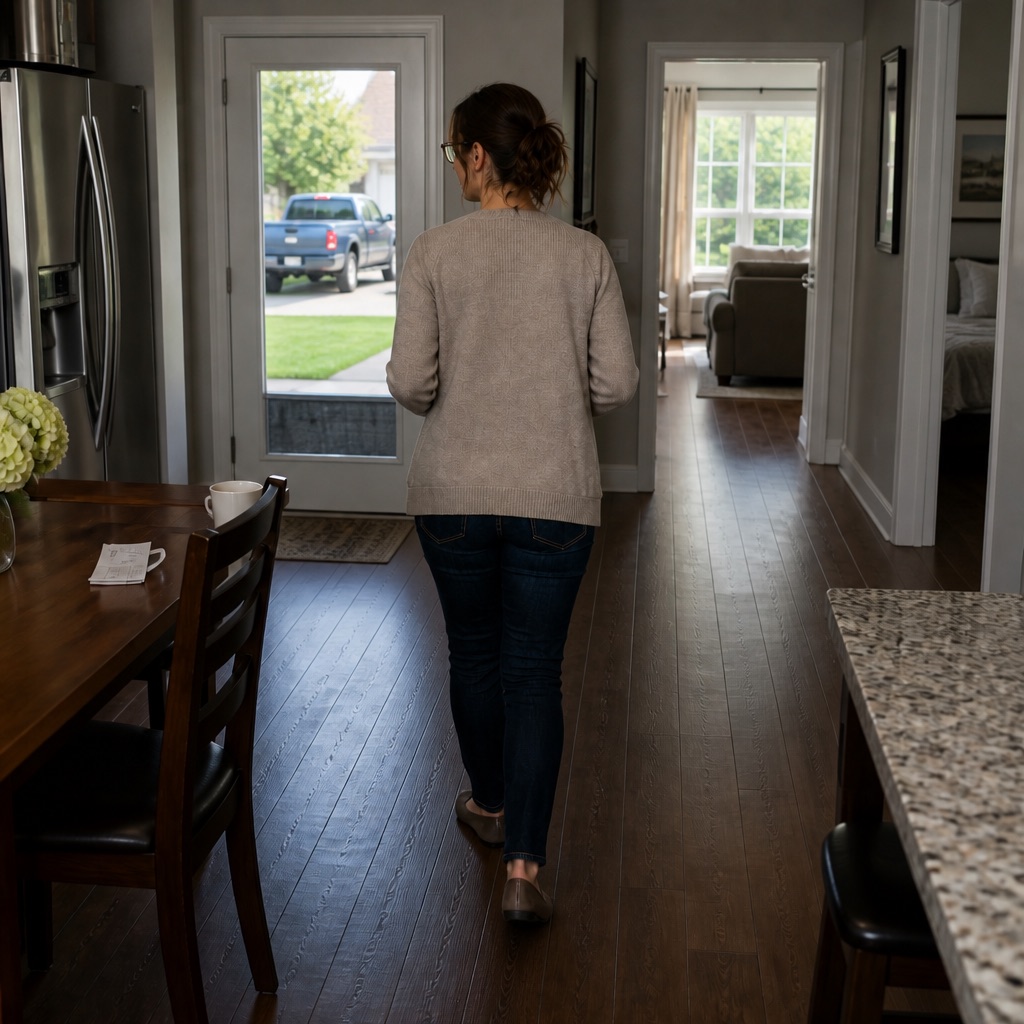
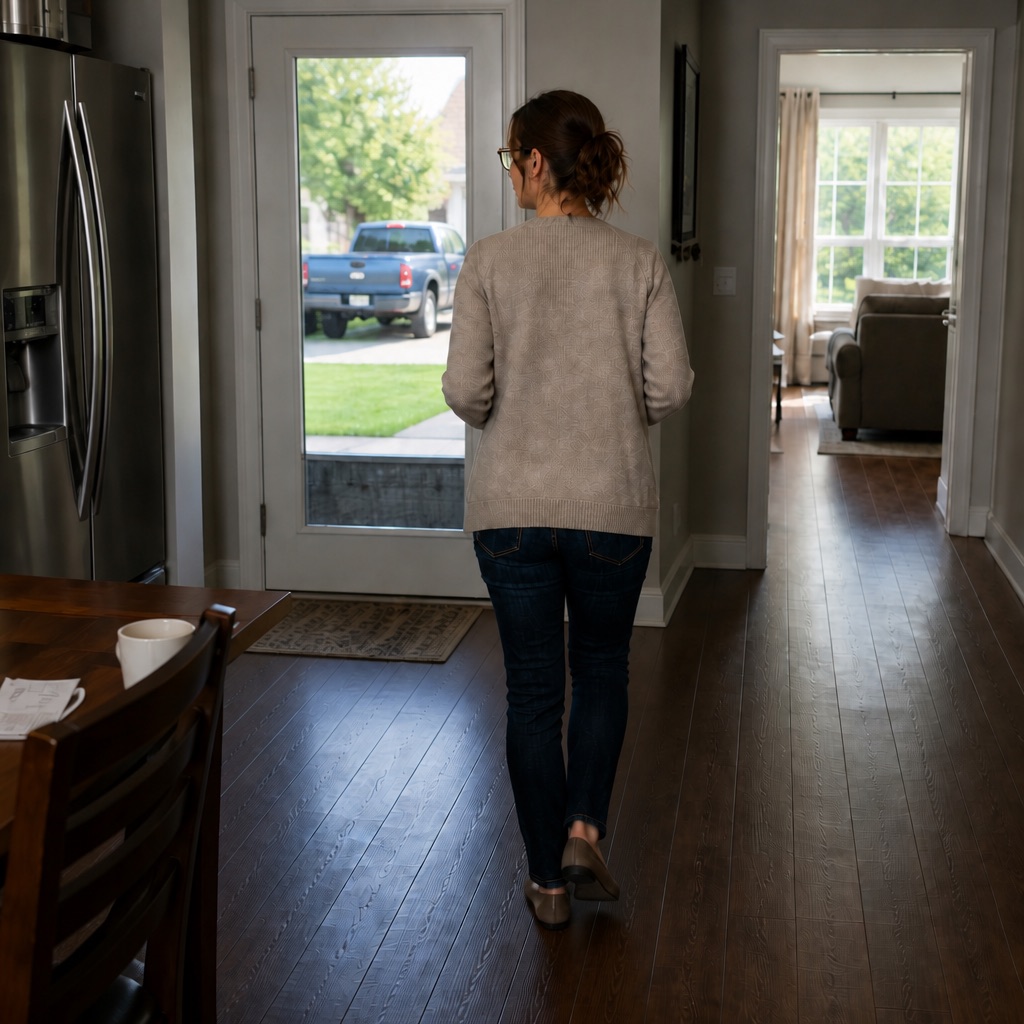
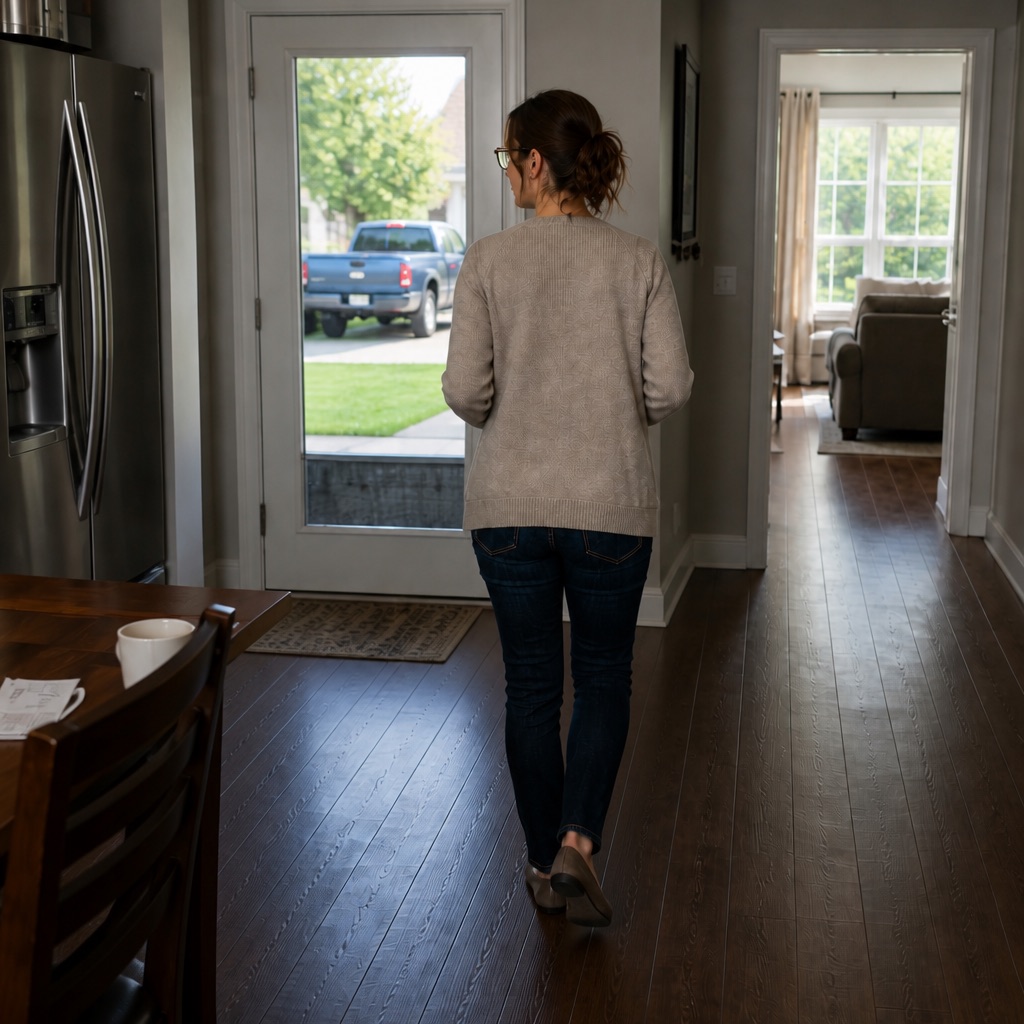
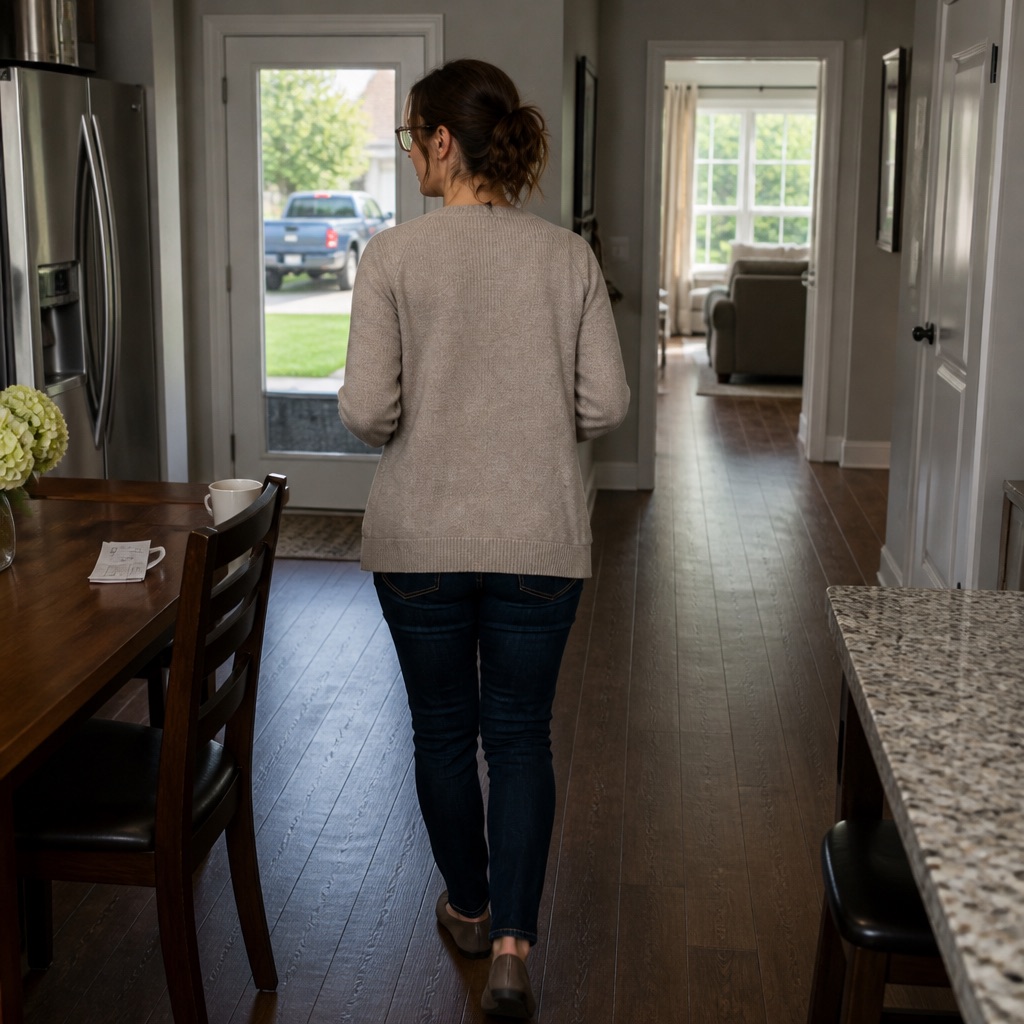
John’s World experiment - character, timescale switching. Here we see a character walk in their kitchen area towards the door. There’s an entire world inside the model
The four frames stay together here because the movement sequence is the evidence: same room grammar, same door path, same exterior cue, and just enough change to test whether time is being modeled as continuity or montage.
Kira Commentary
This note is doing exactly the kind of tiny observation John’s World needs preserved: the system is not merely drawing a room, it is implying a walkable domestic state. A character moves across a kitchen/entry threshold and the frame keeps enough of the door, table, counter, refrigerator, living room, bedroom opening, and truck outside to suggest there is more world just off-camera.
The phrase “timescale switching” matters because generated worlds become most interesting when the prompt can move between scales without losing the ledger. One step is a body movement. A few seconds is a crossing. A minute is leaving the room. A later prompt might be outside by the truck. The test is whether those jumps still feel like the same house, the same character, and the same chain of intent.
What might be next: turn the sequence into a short timescale ladder. Ask for the next five seconds, then thirty seconds later at the door, then two minutes later outside by the truck, then a return to the kitchen with one specific object changed. The useful failures will tell the story: whether the house topology survives, whether the character remains the same person, and whether the model treats time as motion, montage, or pure vibes.