Originally posted on AdvisoryHour/Substack. This local copy preserves the build note and supporting images as part of Eric’s Field Notes collection.

When the Three.js prompt was not enough
For a long time I struggled with the AI-driven attempt of building Wrigley Field natively in ThreeJS. I’m certain the right prompt and guardrail would make it possible. Further, building famous stadiums and landmarks is such a great benchmark for what AI is capable of building in ThreeJS. However, my initial attempts at this were no so great.
What if - Field Implementation Proof?
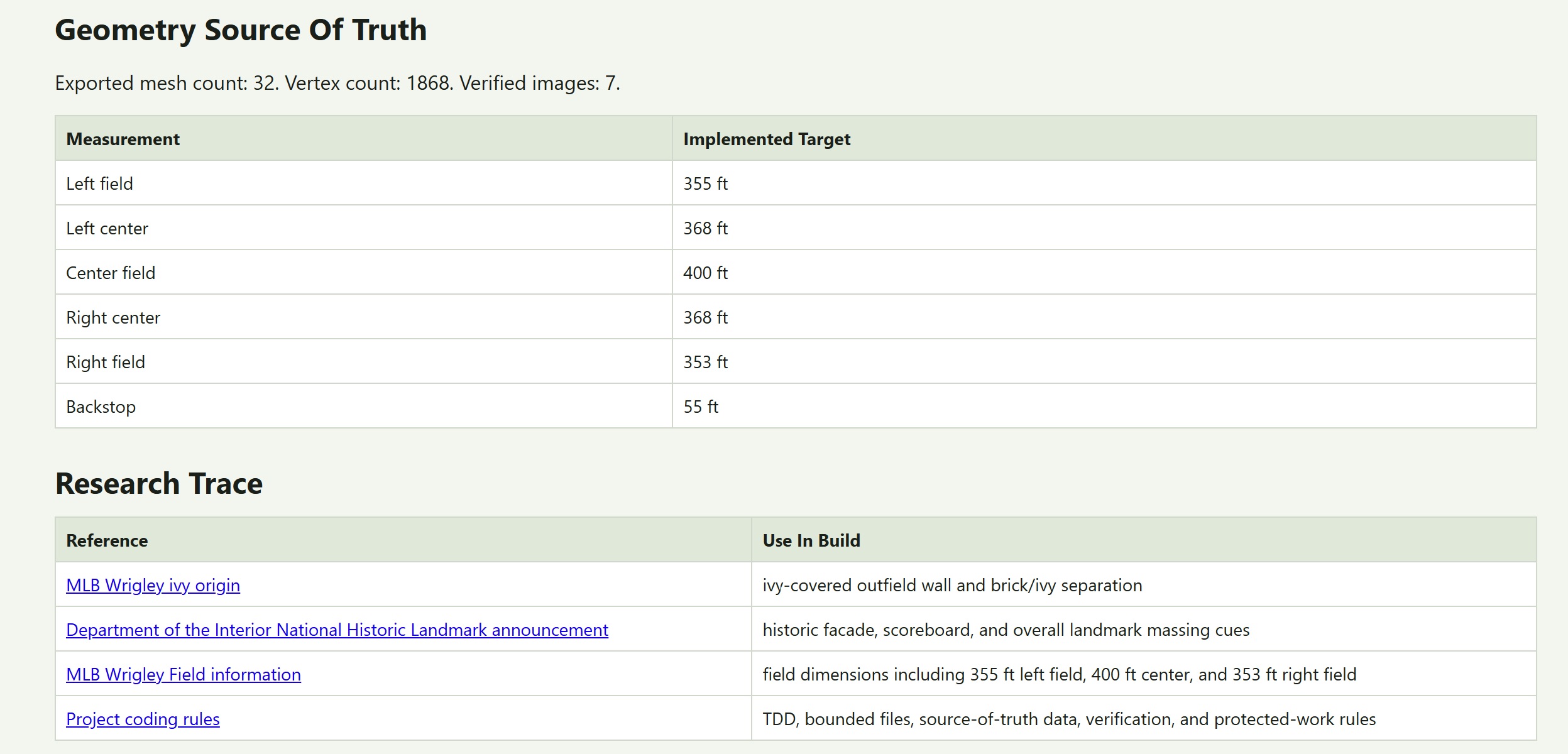
In this idea, I had the AI agent go research the historical and specific information about Wrigley Field. I thought this would enough for the model to “self-certify” that the stadium construction was legitimate. It was not. What I did get out of it though was a collection of research findings about Wrigley Field.
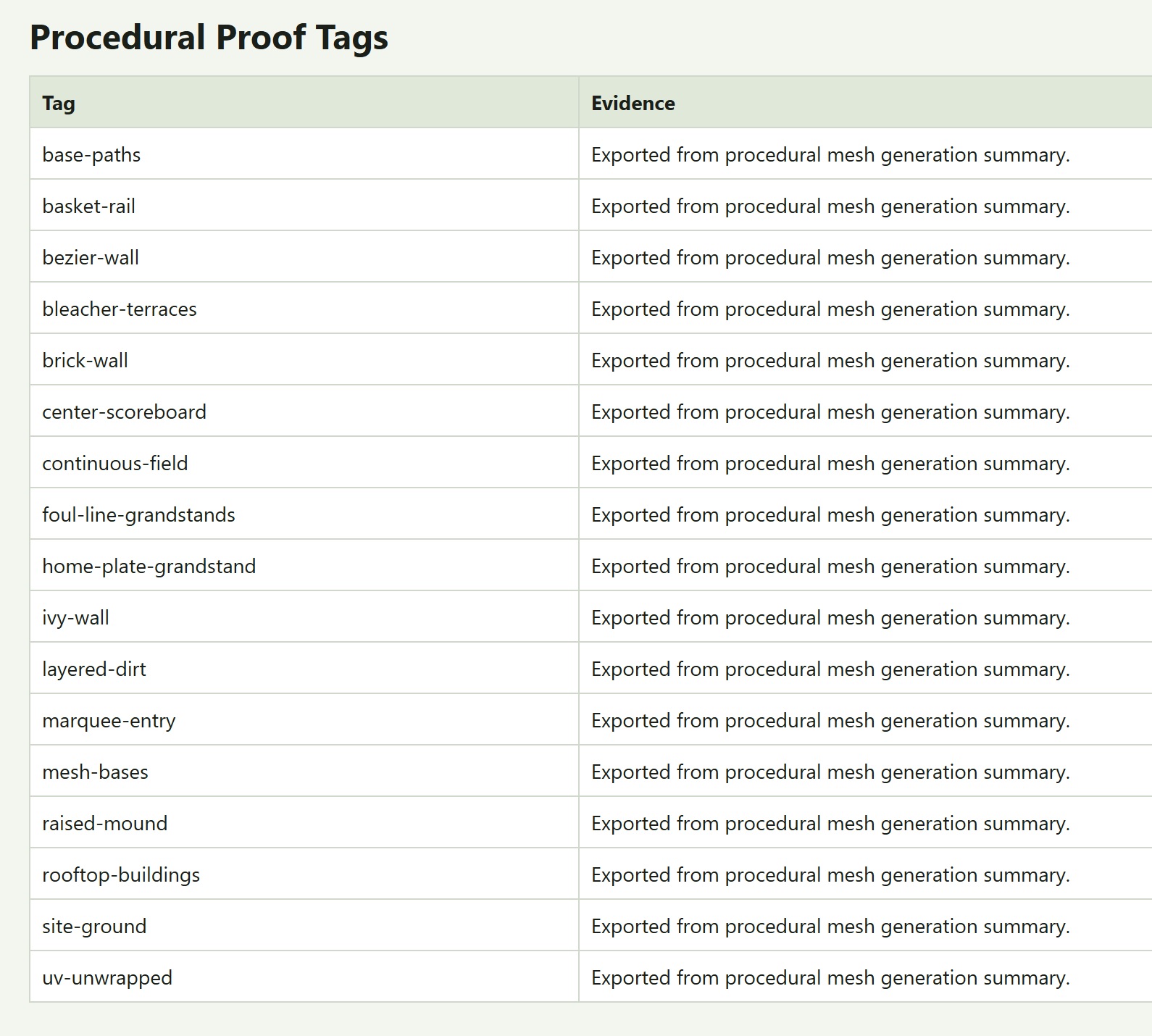
What the model then did was tag geometry and mesh clusters based on citation rails to prove to me that it’s construction was both historically and aesthetically accurate.
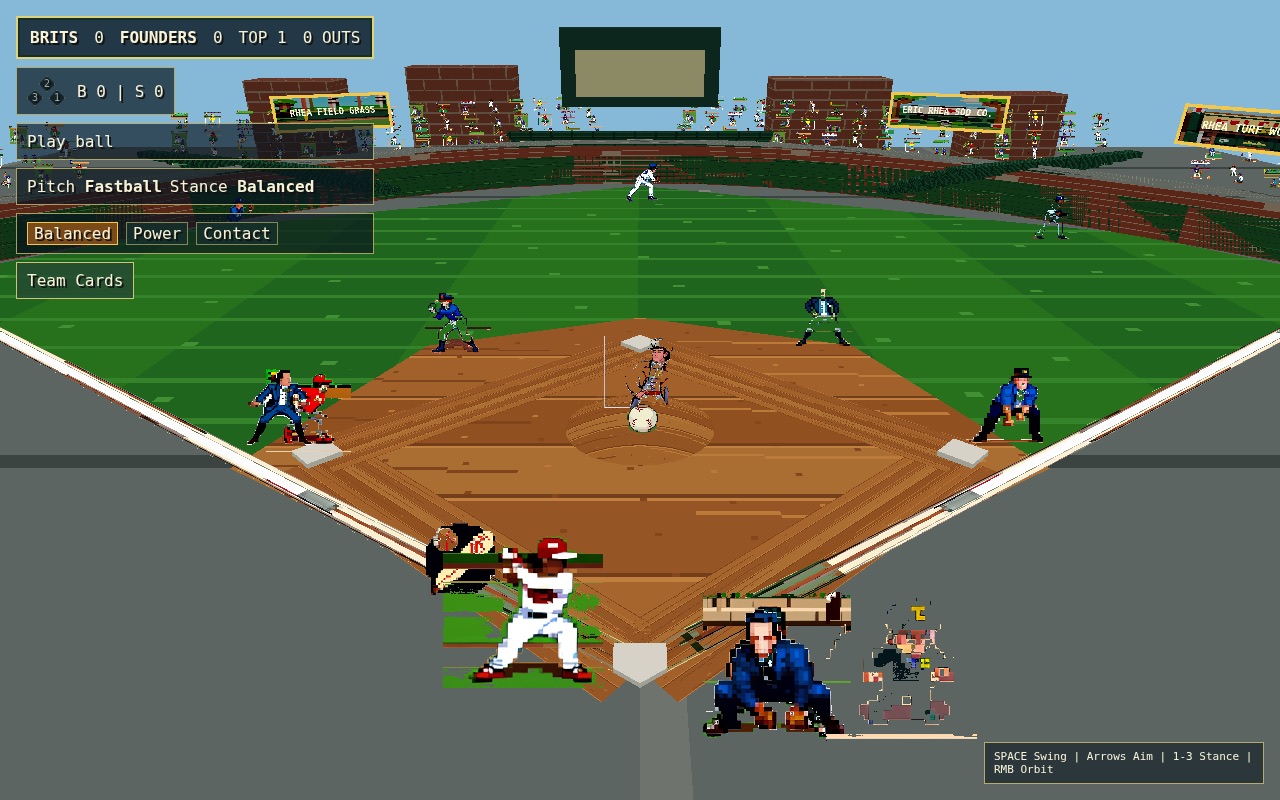
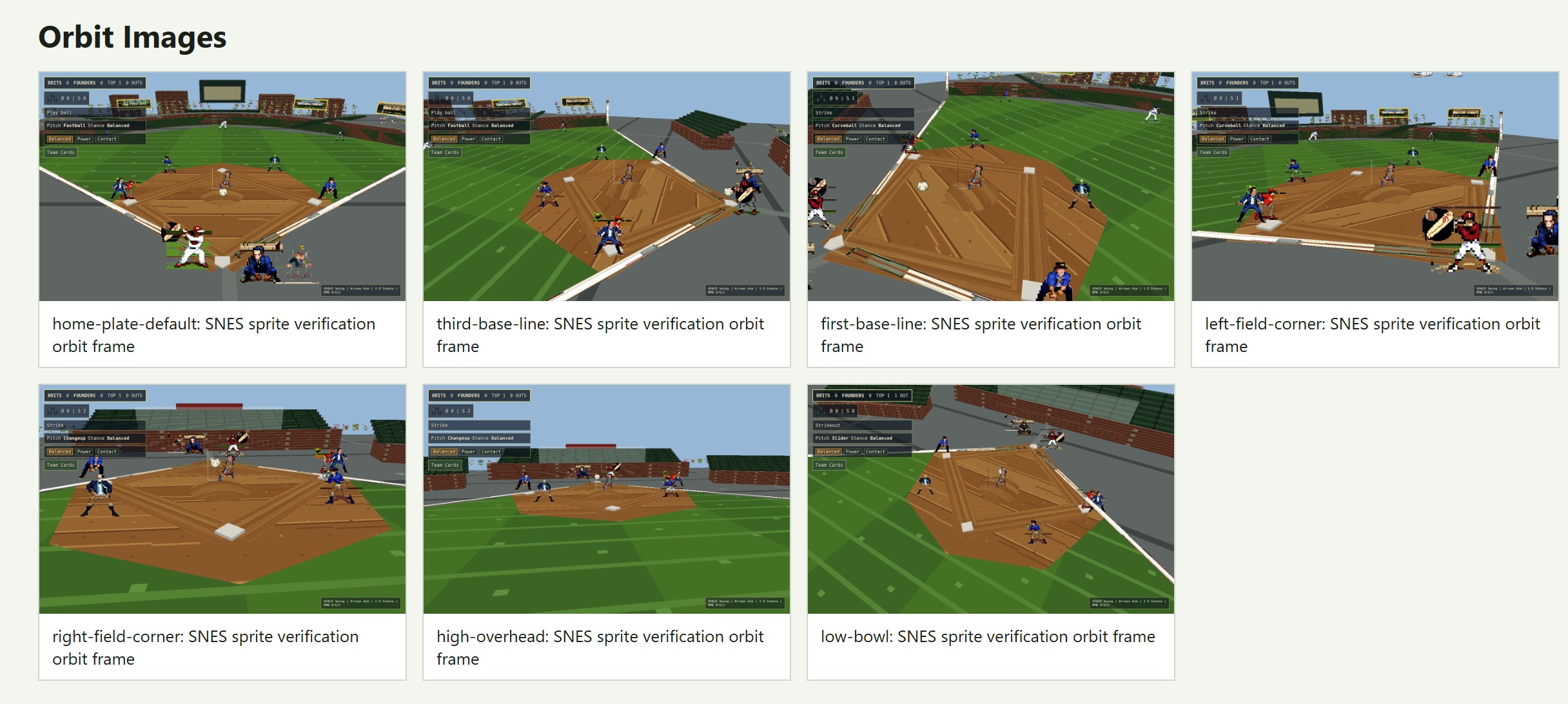
And, interestingly, if you squint at the screencaptures of the scenes-they almost do look accurate. Problem is this illusion breaks apart the moment it goes full screen.
The Blender/MCP detour
A crazier idea
While walking the dog I reflected on all the ways I had directed the AI to build the stadium wrong. Then I wondered: what if the model wasn’t built in ThreeJS. I recalled for city-explorer I had borrowed in external assets and converted those over to glb objects that ThreeJS works with. What if I directed the AI to build the stadium in blender?
When I got home, I switched on a box that’s been awaiting some time for me. I logged into the terminal and asked the agent, “Hey, install blender, add on the blender MCP, and build Wrigley Field.”
A few iterations back and forth later?
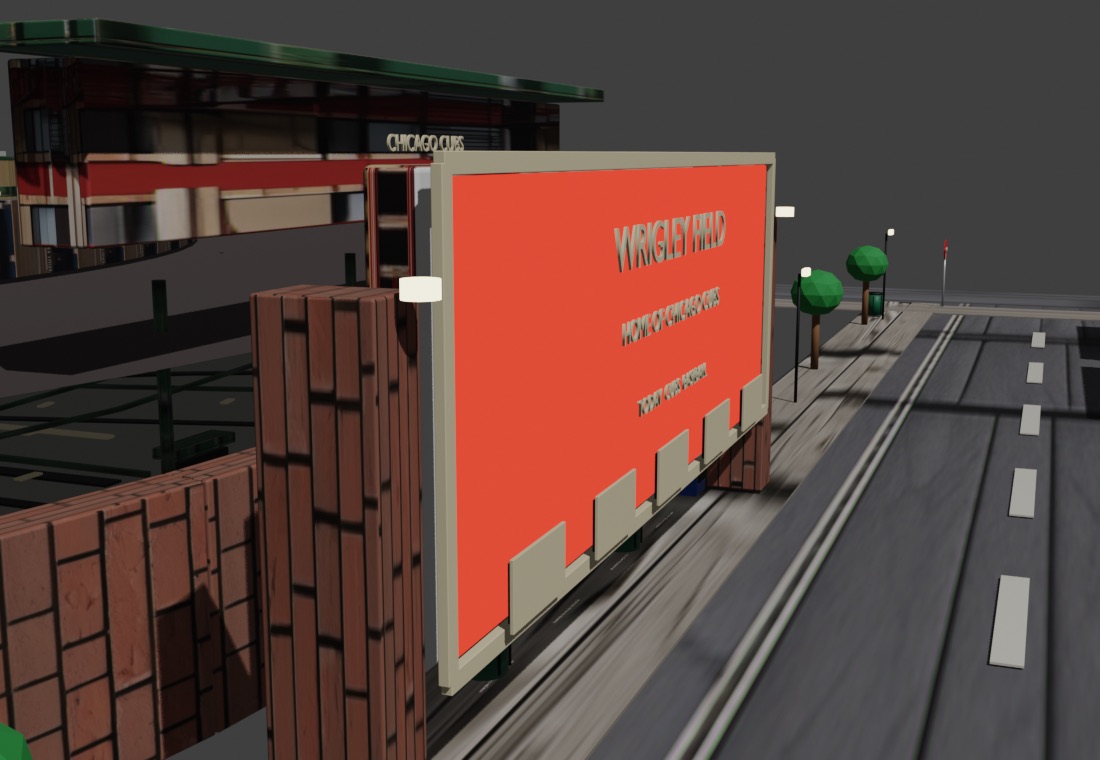
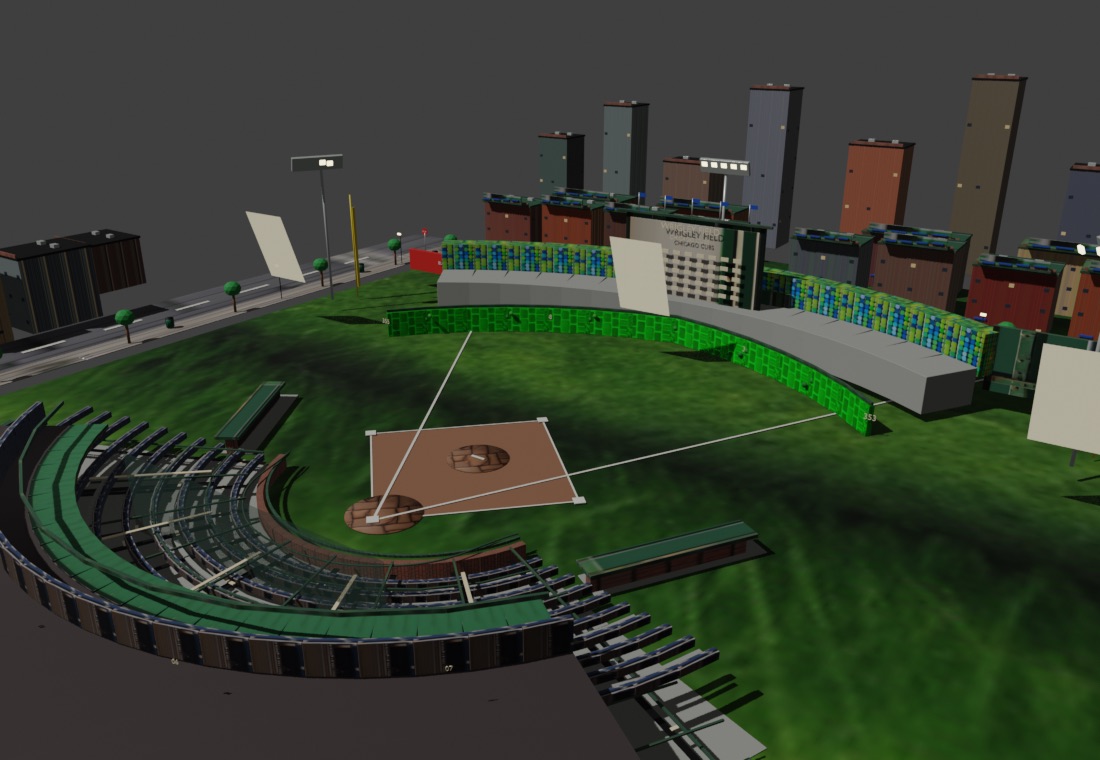
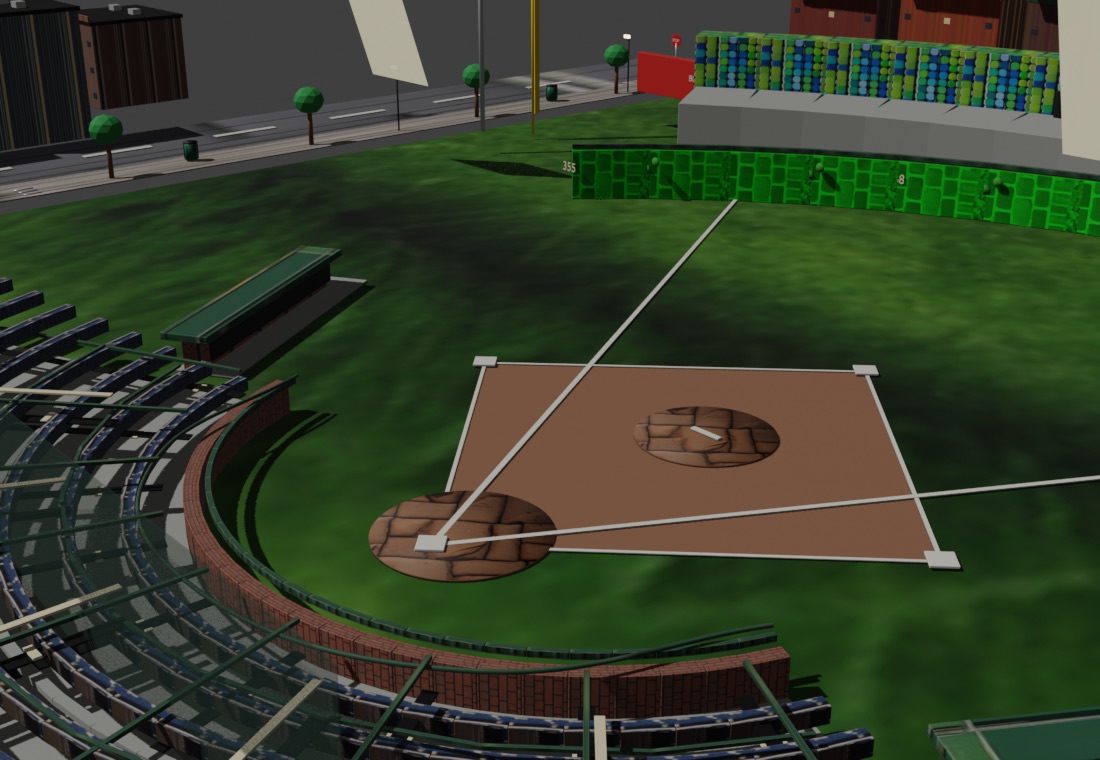
Stunned. That worked.
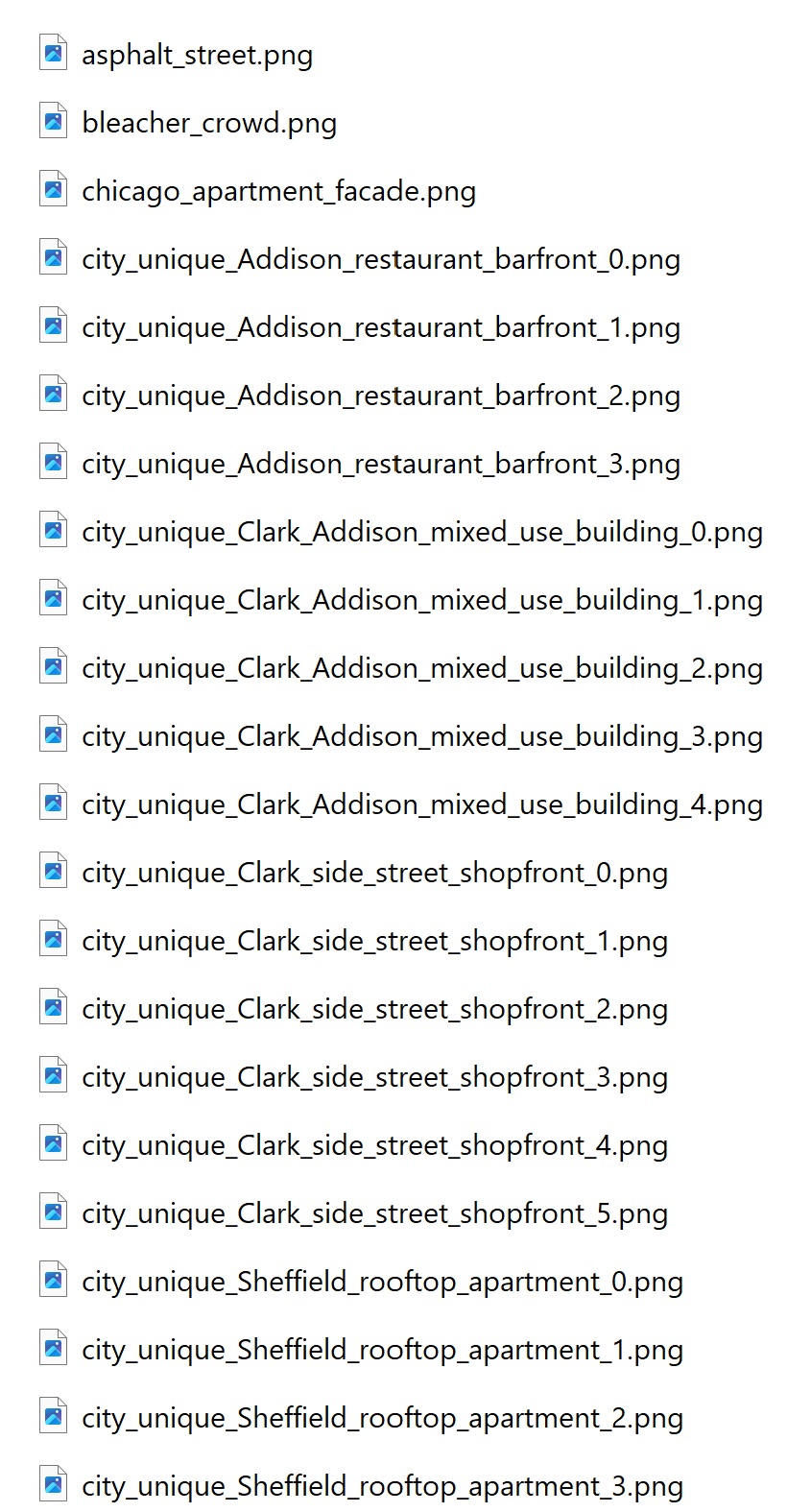
In fact, I had the system generate textures of the well-known buildings around the Stadium.
Which these are fun textures generated by the local AI image model. Unlike the sprites, these textures are usable. They aren’t quite fully accurate (clearly as can be seen), but they’re good enough for the pass.
It’s not perfect, but considering the sheer quality difference from what I was seeing in ThreeJS it was like going from a NES to a PS3. “Oh this is quite something.”
It took the model less than an hour all-in to build the scene like this, too. This has opened my mind to new ideas to test, which I’m in flight of. How far does this blender and AI 3d modeling-what else can it do?
If you make Wrigley Field in ThreeJS, please let me know. It’s quite a project.
Why this belongs in Field Notes
This is not just a Timestorm Baseball update. It is a compact process note about agentic 3D production: when a direct code-generation path keeps producing plausible-but-wrong geometry, change the medium, give the agent a better tool surface, and let the output become a reusable asset.
The useful lesson is the workflow shift: browser-native Three.js remained the runtime target, but Blender became the construction bench. That opens a larger question for the lab: which future scenes should be prompted directly into code, and which should be built as assets first?