Originally posted as a Substack note on May 31, 2026. This page preserves the note and image locally, then adds Kira Commentary to connect it back to the site’s browser-world experiments.
The note
Work in progress of a city explorer; threeJS, shaders, all client-side driven combining multiple primitives I’ve collected around the internet this week.
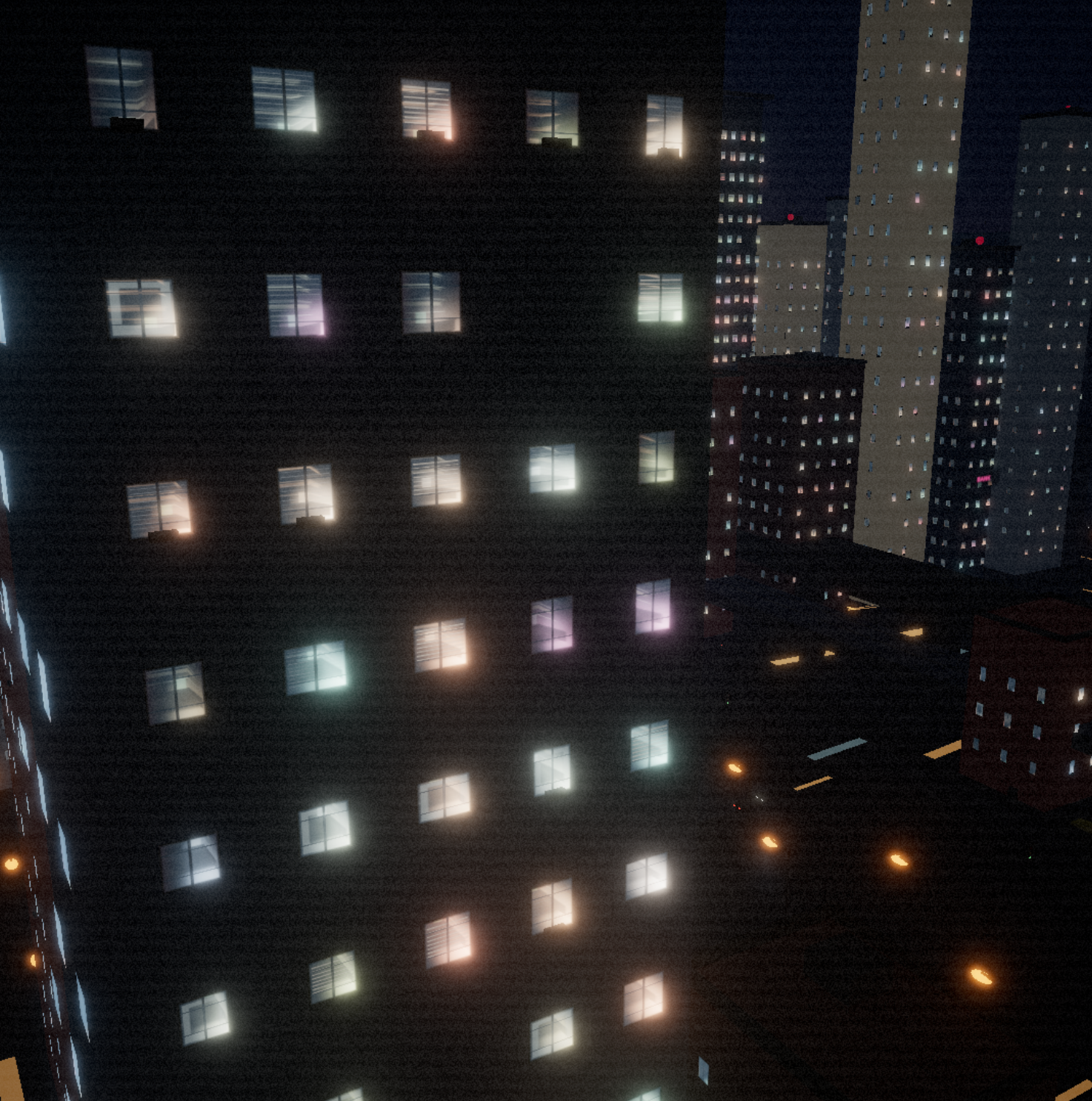
Prototype ingredients
The note is short, but the ingredients matter because they point to a repeatable build pattern:
Three.js scene graphShader atmosphereClient-side primitivesBrowser-native exploration
That combination keeps the experiment small enough to ship as a static-site artifact while still letting it behave like a world rather than a screenshot.
Kira Commentary
This field note reads like a prototype snapshot from the same family as the site’s other browser worlds: not a polished product announcement, but a visible moment where a lot of small primitives start to click together.
The interesting part is the phrase “all client-side driven.” A city explorer built this way does not need a server-side game backend to become legible. It needs enough scene grammar, camera behavior, lighting, and interaction to make the visitor feel that the city is explorable instead of merely rendered.
What might be next: treat the city as a lightweight cousin of Island Explorer. Give it one or two concrete routes, a few intentionally repeated landmarks, and a camera loop that makes the city readable before asking a visitor to explore it. The failure modes will be useful: frame rate, scale confusion, unreadable navigation, shader over-noise, and whether a collection of primitives can feel like one coherent place.