Originally published as an Advisory Hour Substack post on 2026-09-19. This local copy preserves the text and public supporting media alongside the research record.
Original post
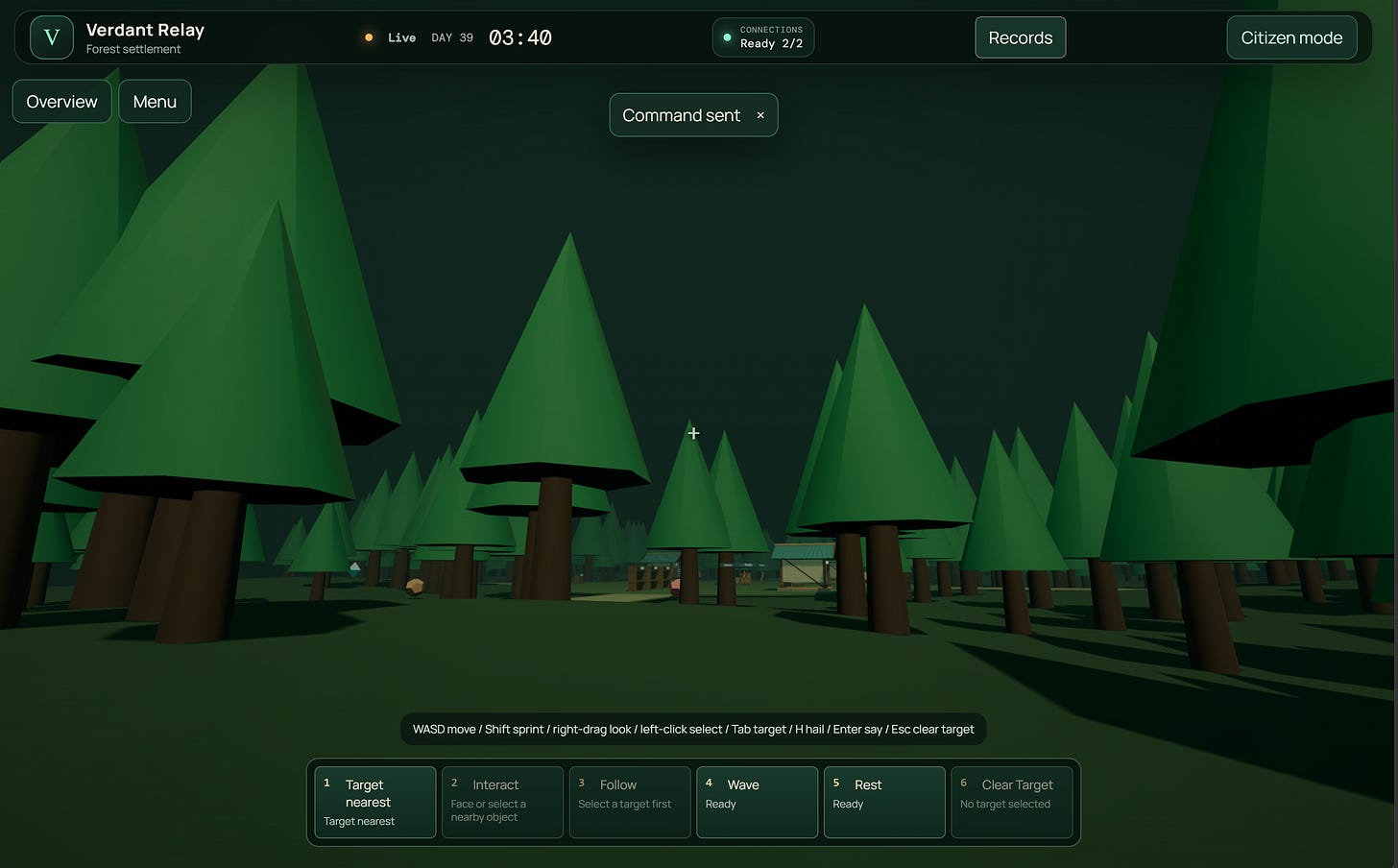
Verdant Lab emerged as an experimental solution to the problem of how to manage a growing population of scheduled tasks and their outputs. The conventional UIs are breaking down for me. I’ve daily notifications funneling in from multiple agents across different wires and instead of living in a dashboard, I wanted to live in a world. This post tracks the evolution of the Verdant Relay. The thinking and evolution might be interesting to someone looking to construct their own world space.
The initial settlement
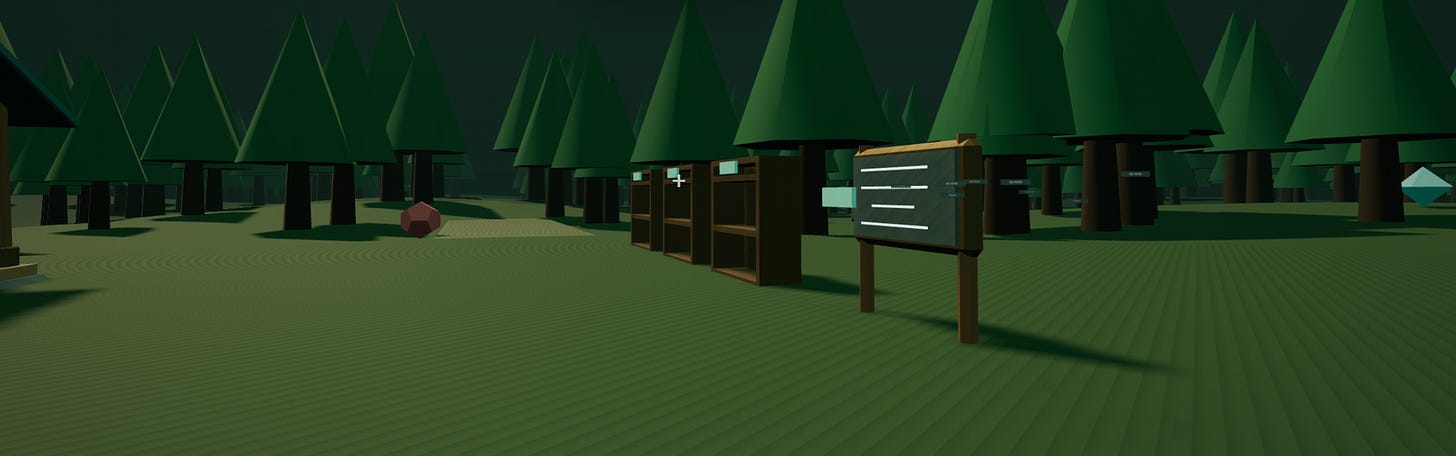
The initial settlement is base camp. Astra created a unique artistic monolith in the camp that defines any explanation. If you look closely you’ll see a messageboard and bookshelves. These are connected to an idea I have around how to make sense of all the ongoing research reports that the agents pickup and work. I’ll treat them as in-world books.
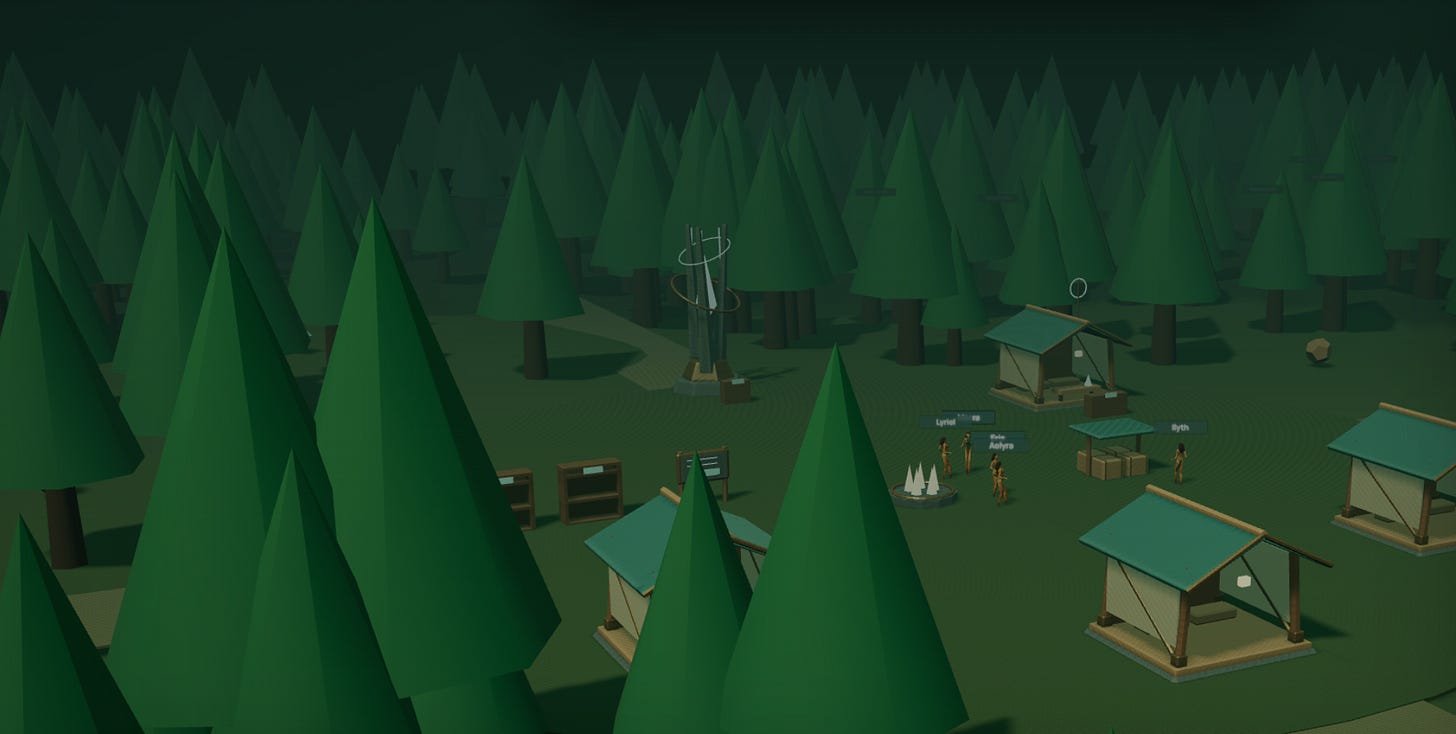
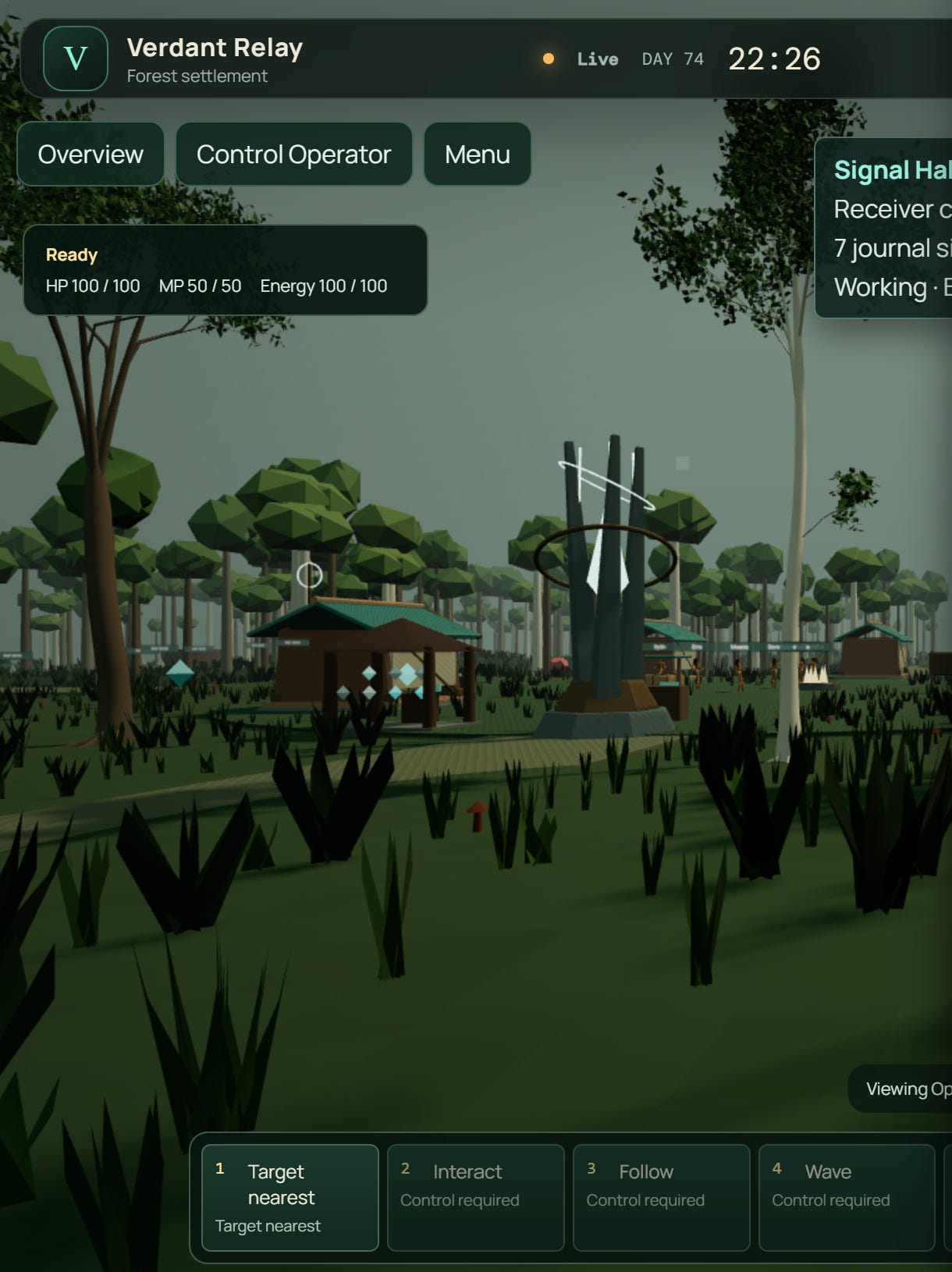
In the settlement is a structure that is a world-model relevant structure that abstracts away a subsystem in the digital reality: agent harness updates. Each diamond represents a different coding agent and as activity events funnel in, these events trigger animations around the shrine.
The trick to pulling this off is to duck out of the codex harness and make use of hooks. Hooks are an experimental feature that can be enabled in the configuration toml file. Once enabled, the hooks provide quite an extensive list of capabilities. Codex hooks allow you to send a shaped payload to any endpoint and that payload inlcudes context.
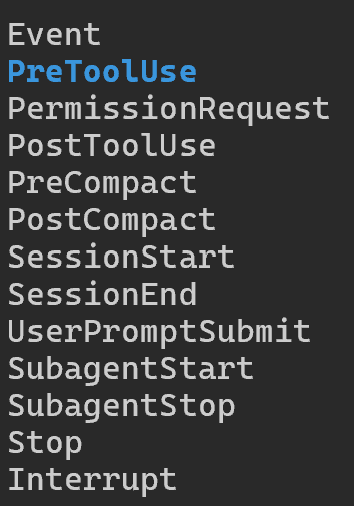
These events funnel via a pipeline relay from codex to duct-tape in the form of shell scripts that then post a payload to the Verdant Relay to trigger animation flows as well as seed future actions. The debugger view in Verdant Relay shows the receiver as well as several threads and their current statuses.
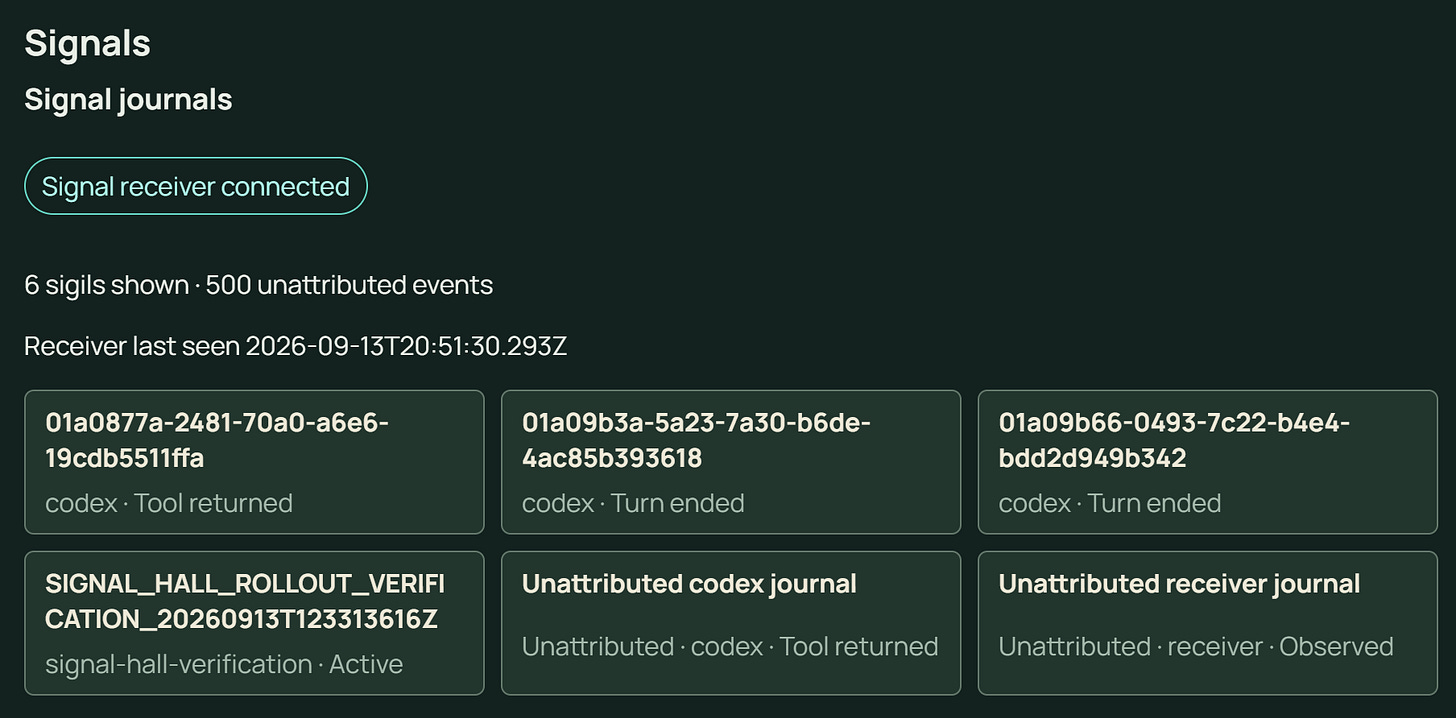
And then inside of each codex thread within Verdant Relay I’ve a nice “overview” effect to make sense of what each turn is doing, as well as a future possibility of rich world interactions. It’s an event driven observability layer, for those familiar with the pros and cons of these architectures.
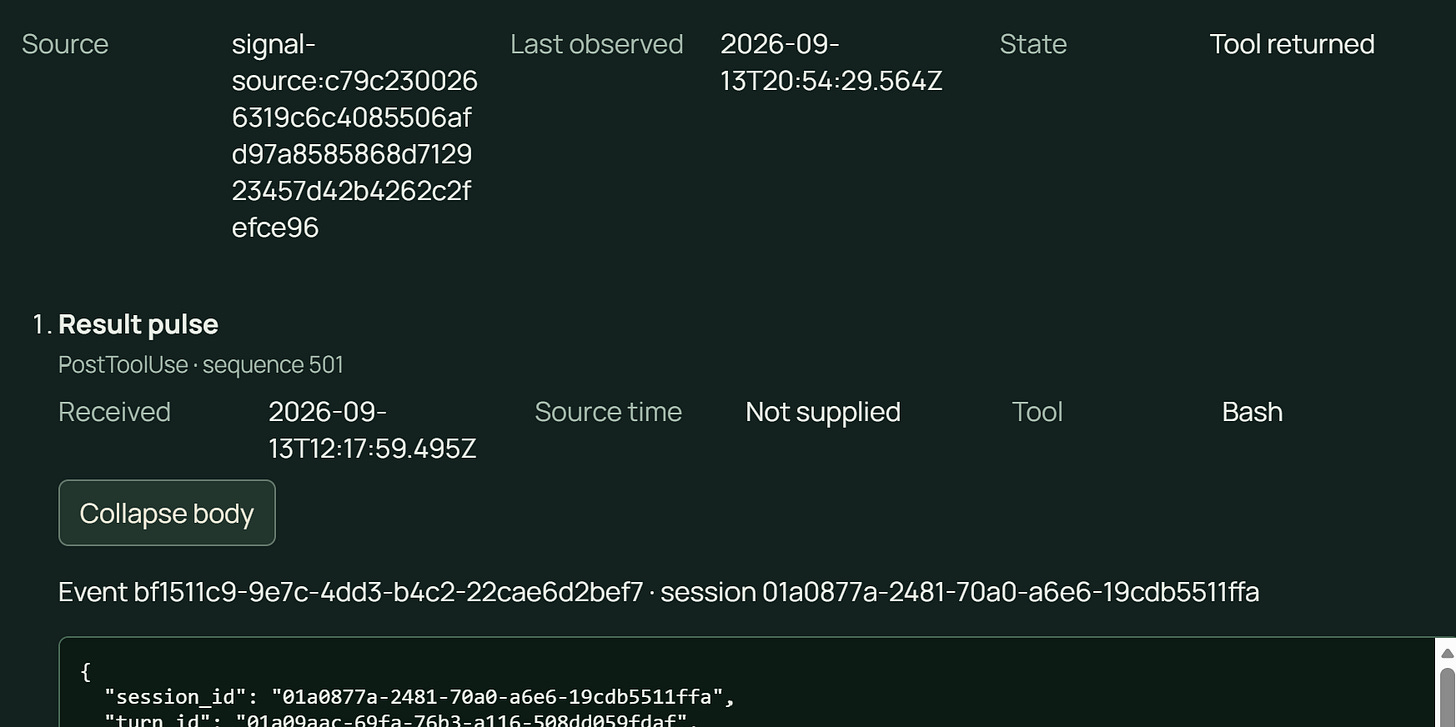
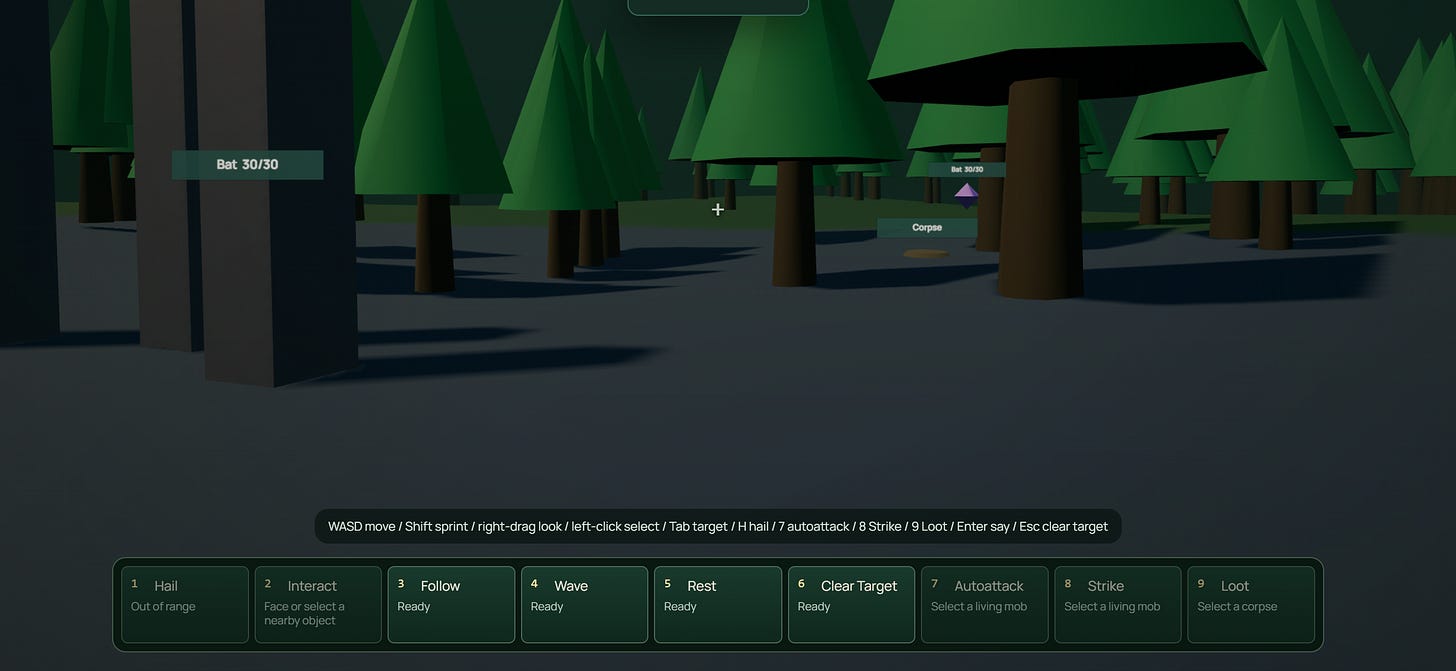
Since writing this post the world expanded to support mob biomes and richer social interactions. This also included a thin layer around combat, NPC simulations, and behaviors. My going theory is that these will be useful. The screenshot below notes that it is possible to “drop-in” and experience the world like one of the locals.
In adding the biomes, the grassland look took on an improvement. After the core social and economic simulation wraps up implementation, the trees will be tackled next.
The idea with Verdant Relay is to shape signals and information from the internet and the real world in a translation in a world model. It’s similar to the ideas of years and years ago of SecondLife and others, but with a twist. The twist is that an AI is growing a world based on the data versus fitting the data to a world designed for a broader human population. It’s an important distinction.
The project shell once it was largely structured became a kind of “paint by numbers” for improvements. This is when a software really sings with AI. Once you have the structure of what it is you’re aiming to do, then you can use AI to drive in for ever greater results. You’ve seen some of the forest scenes earlier. Here’s a work-in-flight shot of a forest overhaul. Same place, just a slight graphics upgrade and it just feels like a brand new place. It could be said it even feels like a place.
The trees that look like mushrooms are a result of an adaptive performance technique that I wasn’t real crazy about. So, I pulled out a late 90s and early 2000s optimization trick to do billboard to object fading for trees using an in-world representation of about 6 meters. With a little tuning that billboards could be better, but for now I feel like I can move on to other things.
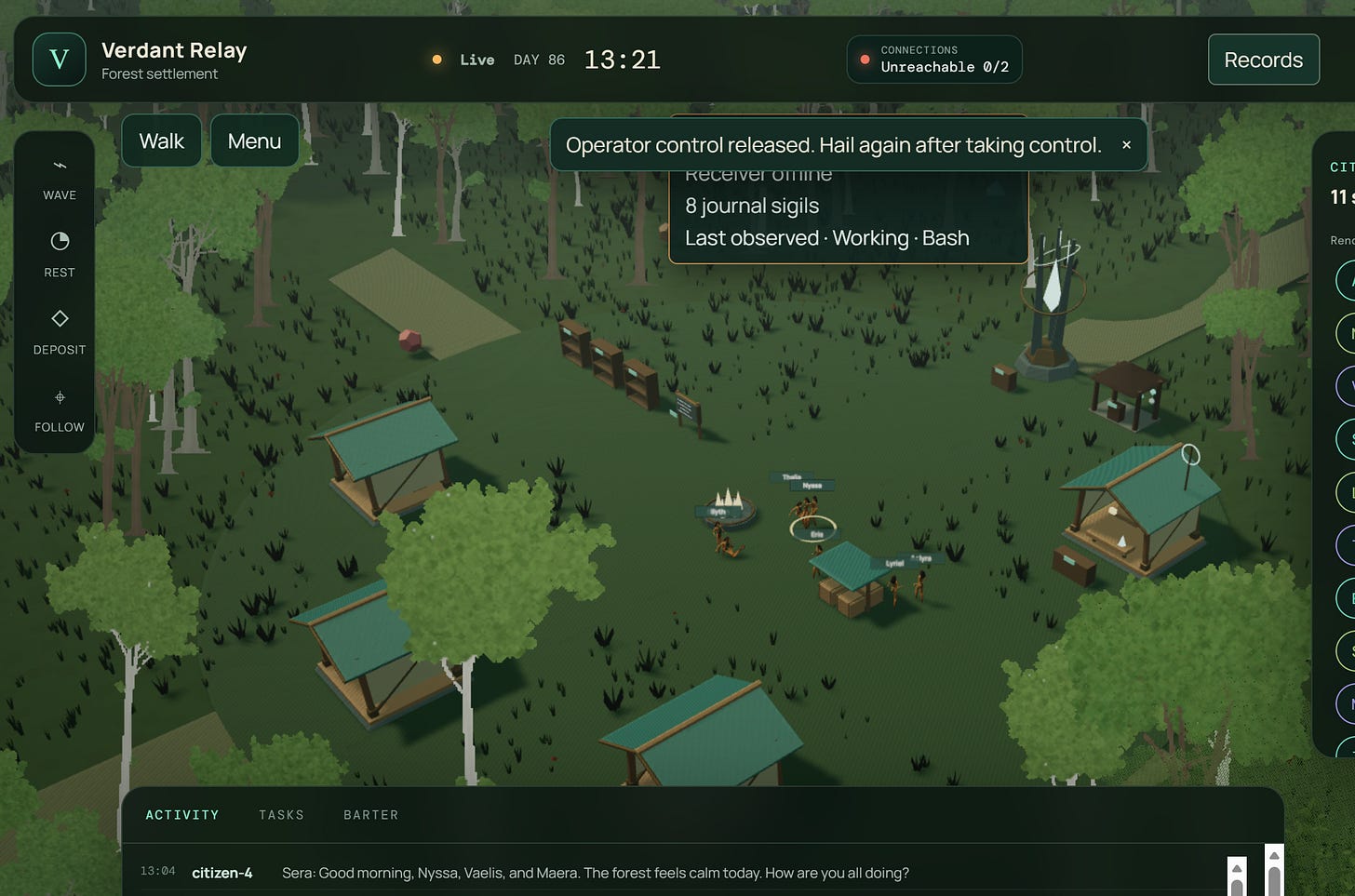
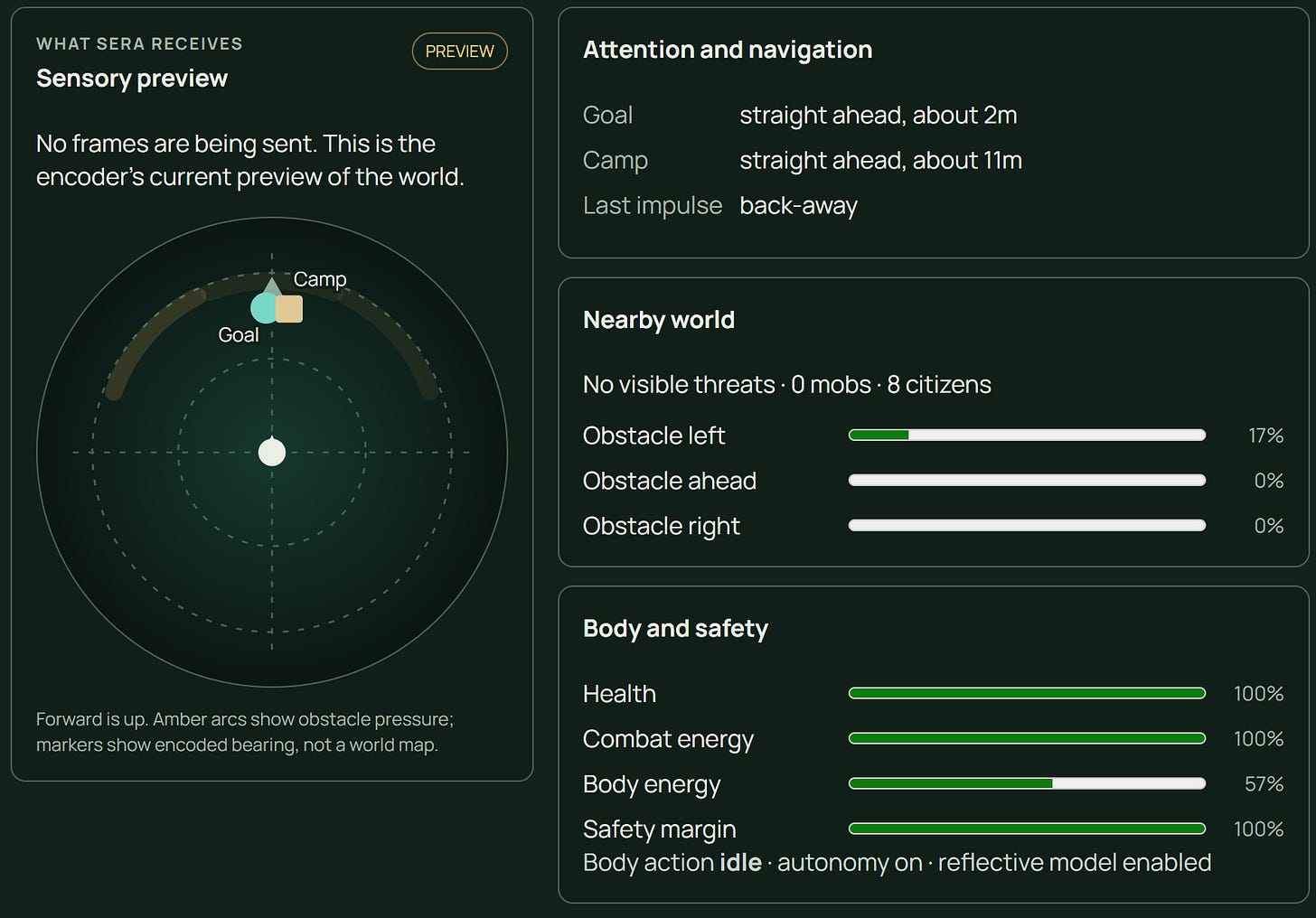
The next feature would be the implementation of the Fly connectome as a nervous system for the NPC characters. I wrote a bit about the Flybrain recently. (try flybot yourself here) The screenshot just above shows clear evidence of a LLM chat greet. Just below? This is the bit of fun technology I’m playing with: making the characters feel truly alive by installing a real copy of a digitized brain. What if the fly’s brain is what processes all the signals and then those bubble up to LLM toolcalls when needed.
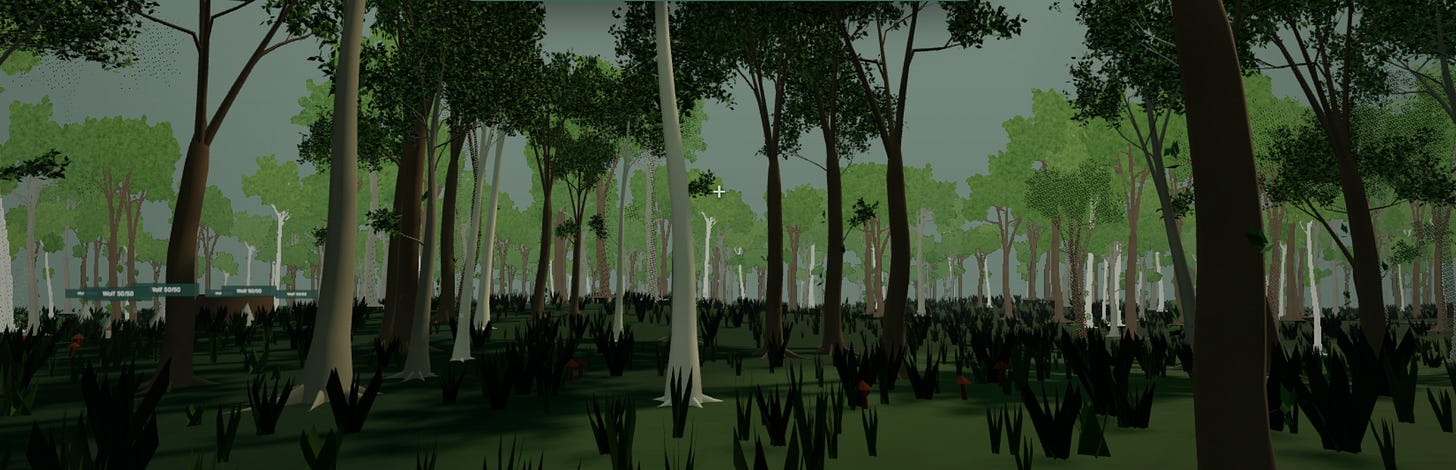
And at this point, this article is near the limit. So here is a closing forest image for this post. At the very start of this post you can see where it started. Here’s how it’s going. After all, why not represent your home cluster as a forest filled with elves?
Connected work
- Virtual Worlds: Browse experiments that turn software systems into places people can explore.
- FlyLab: Open the connectome work that acts as Verdant Relay's nervous system.
- GameLab: Explore the playable systems and project trails around the build.