Source note: Local copy of a Summer Into AI 2026 submission originally published on Substack. Screenshots, video, and audio found in the post body are mirrored locally when publicly accessible; profile and avatar images are intentionally not copied. Read the canonical post.
I posted a note about a new workflow that emerged in using blender to create movies. With Week4’s theme being Build on the Past, what better example of this than to build on the literal past with a documentary about the actual weapons of 1776.
Here was the experiment:
Have Hermes and 5.6 Sol one-shot model on a vague prompt the weapons of 1776. Instead of using Microsoft TTS, use an elevenlabs key (since it’s a new month, I have some credits there). Have Hermes orchestrate a documentary and not specify the length.
I got a seven minute video that… well, you can watch it up top. I’m impressed, and now thinking of driving this one step more with a special project involving Zezek. I have three other submissions I’m wrapping up today. I share that to anyone thinking just one submission will do. Oh, no, I’m going for first.
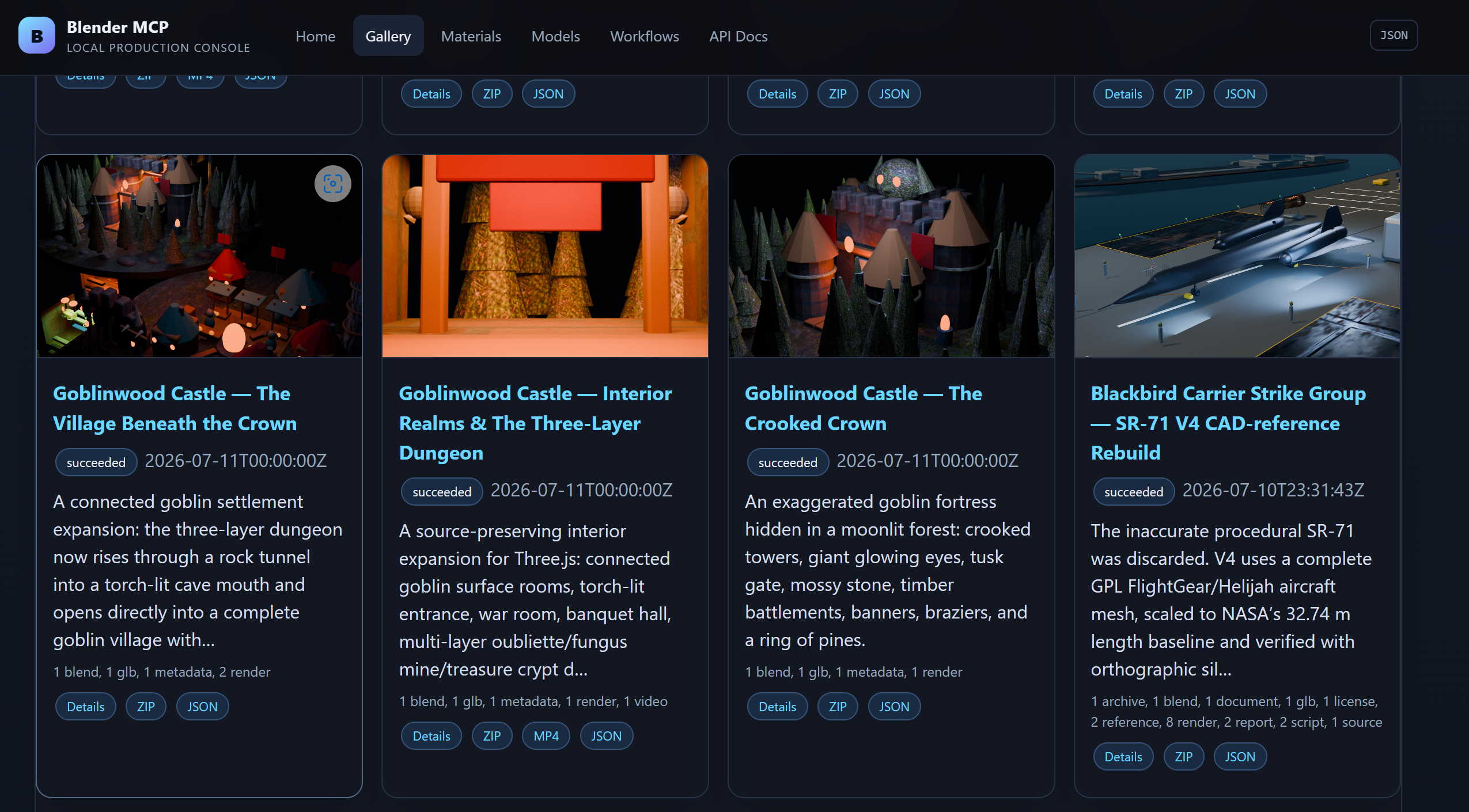
The Blender Gallery
The Blender setup with Hermes has a component where every single project gets nicely categorized into a blender gallery. This allows me to quickly size up how a project is going, and what changes I want done next. The SR-71 is quite something-it’ll be featured in a playable demo in a submission later today.
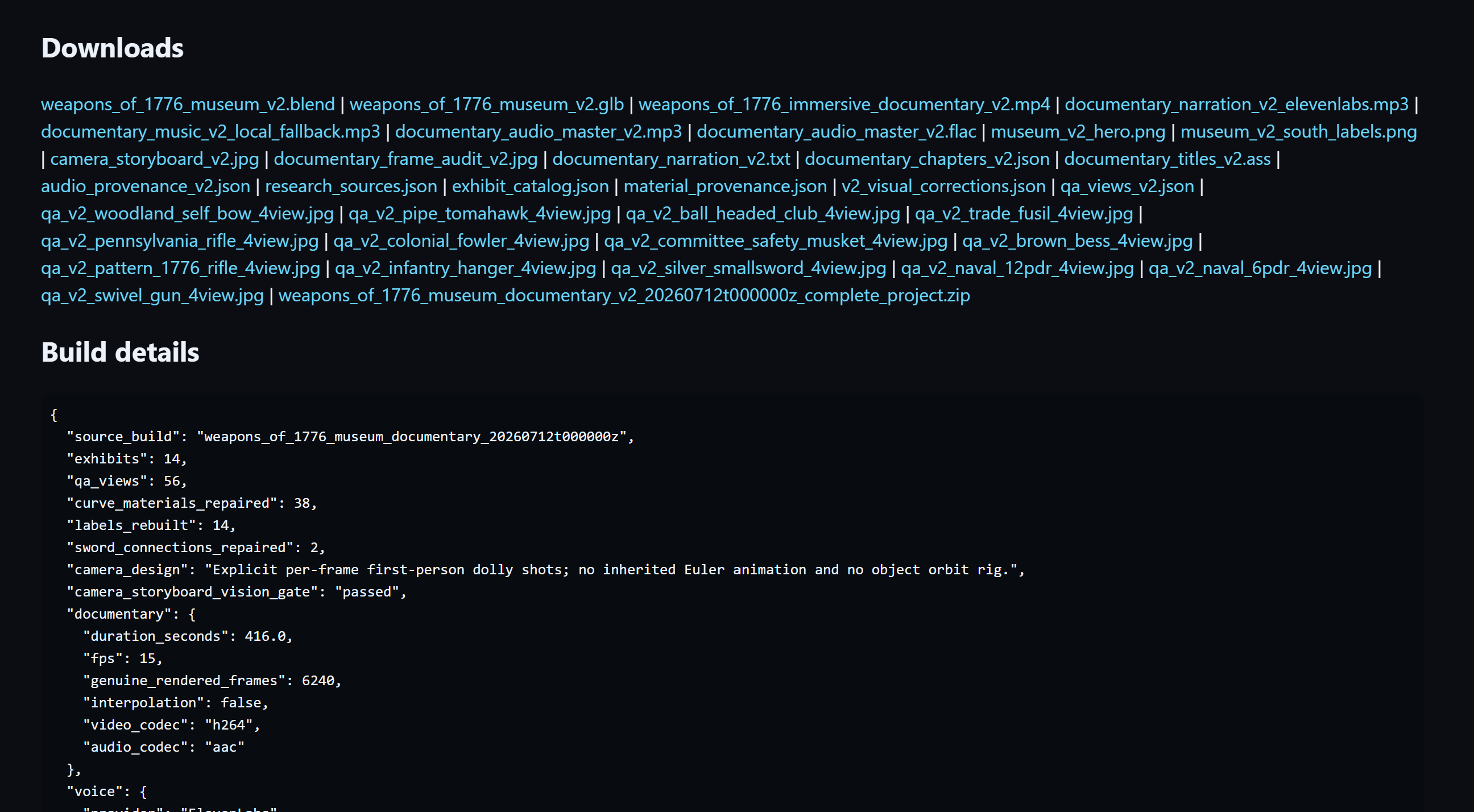
The subpages include a tremendous amount of content. Everything from renders, to screenshots, to downloads. These proof sites as amazing. It makes it trivial to review what’s going on from your phone-and also allows you to send an agent back in to review with a vision model.
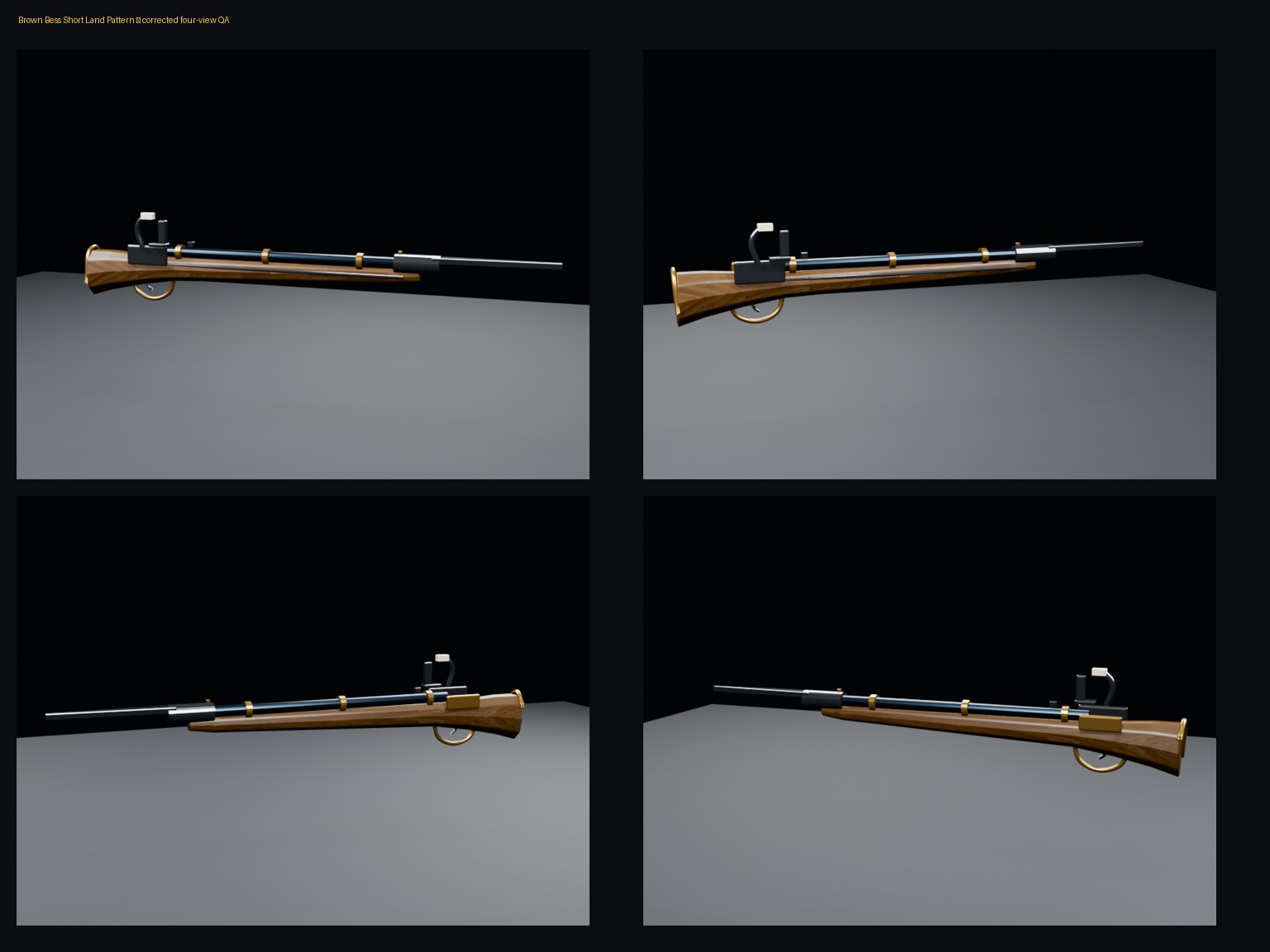
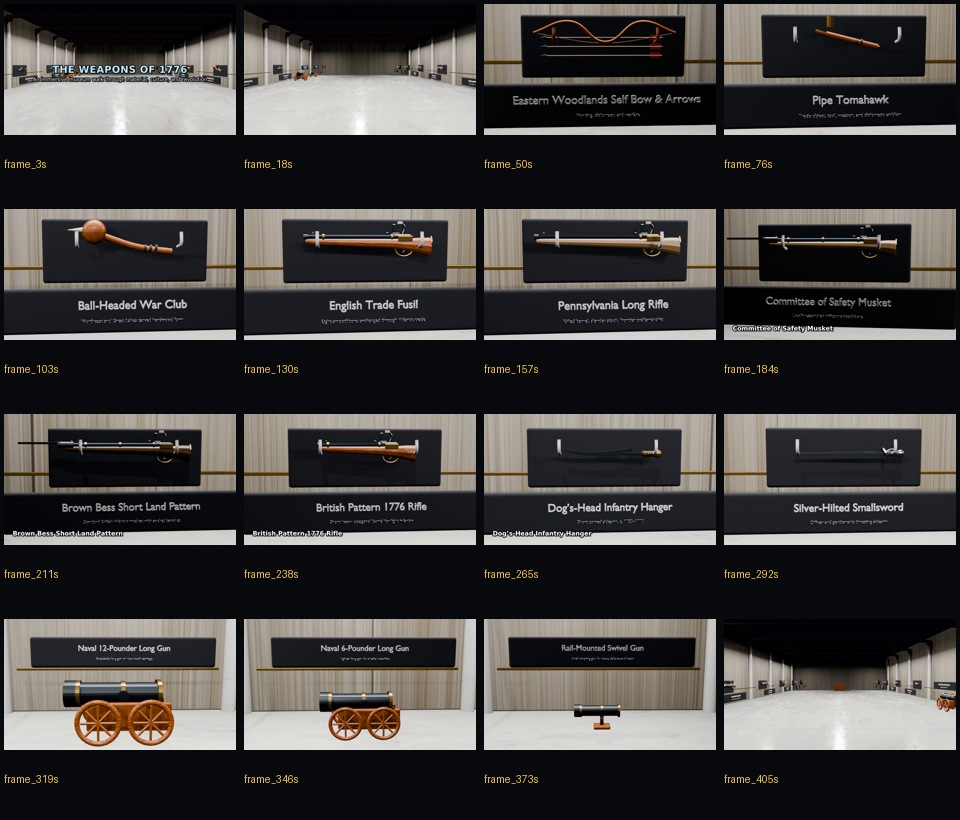
Some of the renders include multi-view shots. For example, consider this example. First, this model isn’t going to win any accuracy awards. However, considering it was one model amongst several that were all done in one prompt? I think I’ll live with it. In fact, Hermes and 5.6 created a stunning summary view which I’ll share just below.
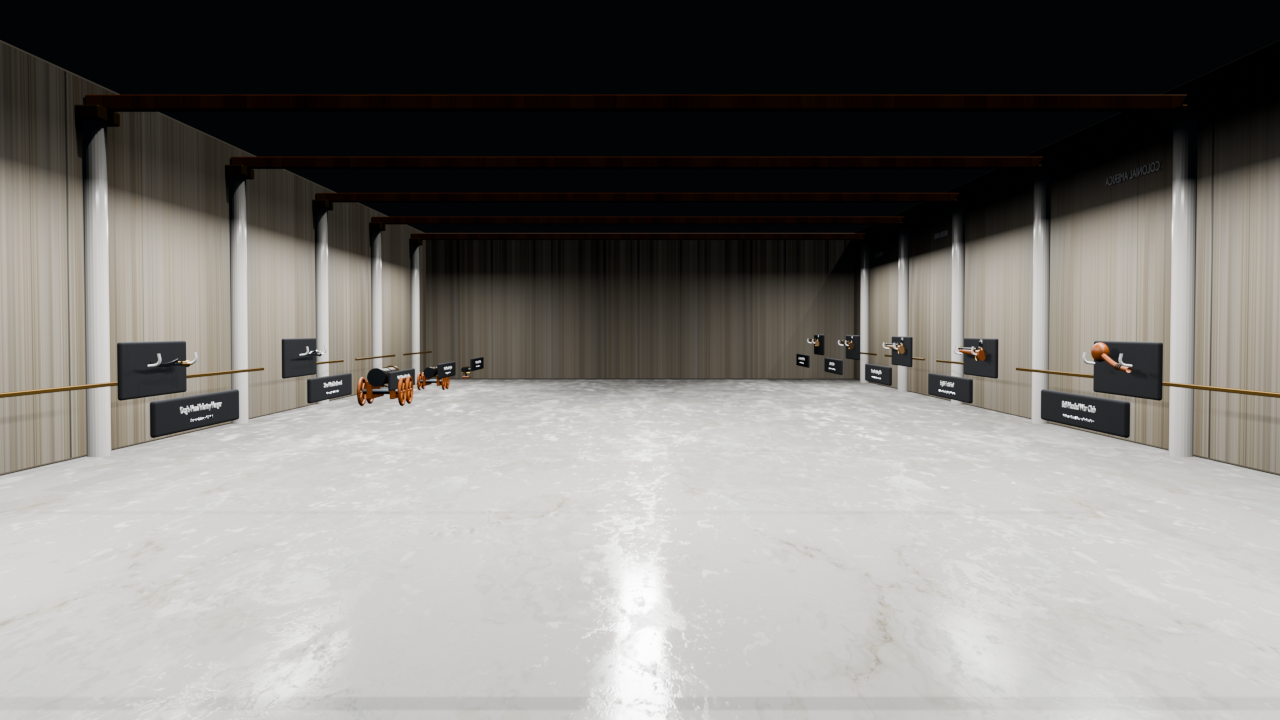
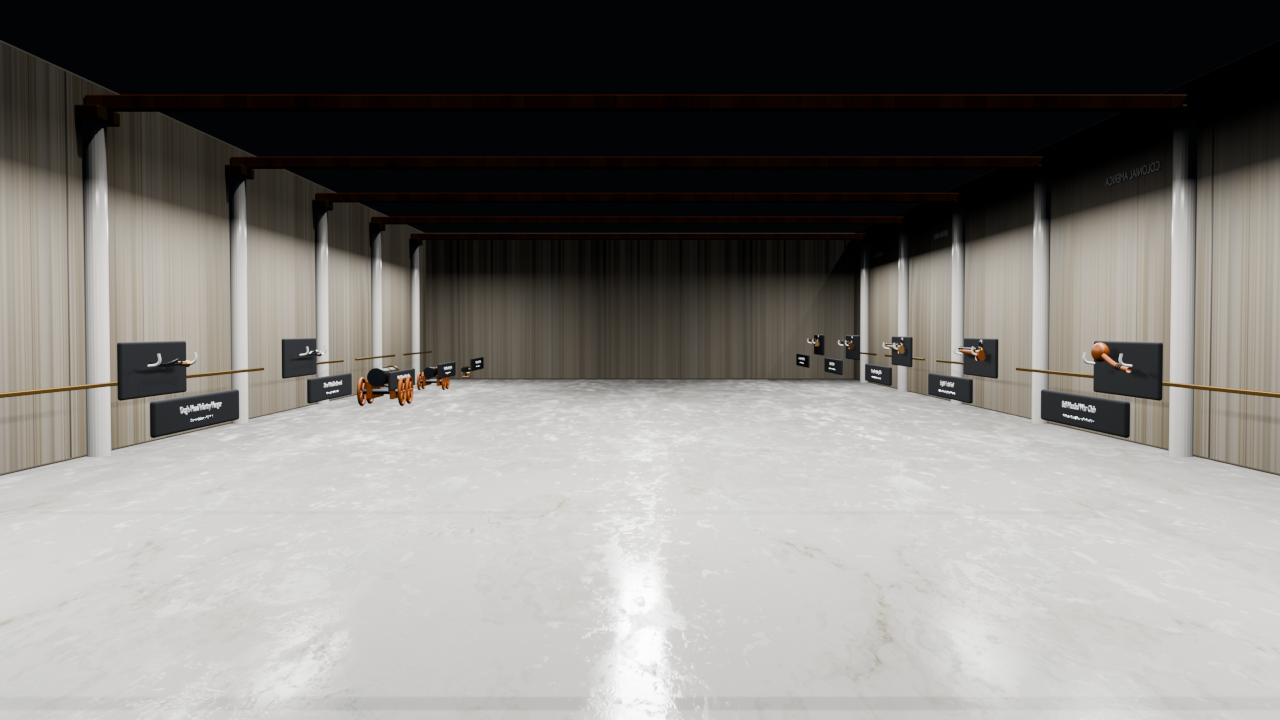
Storyboard of the documentary features the hall and the weapons. And let’s take note of that reflective floor. How nice is that! It’s quite something.
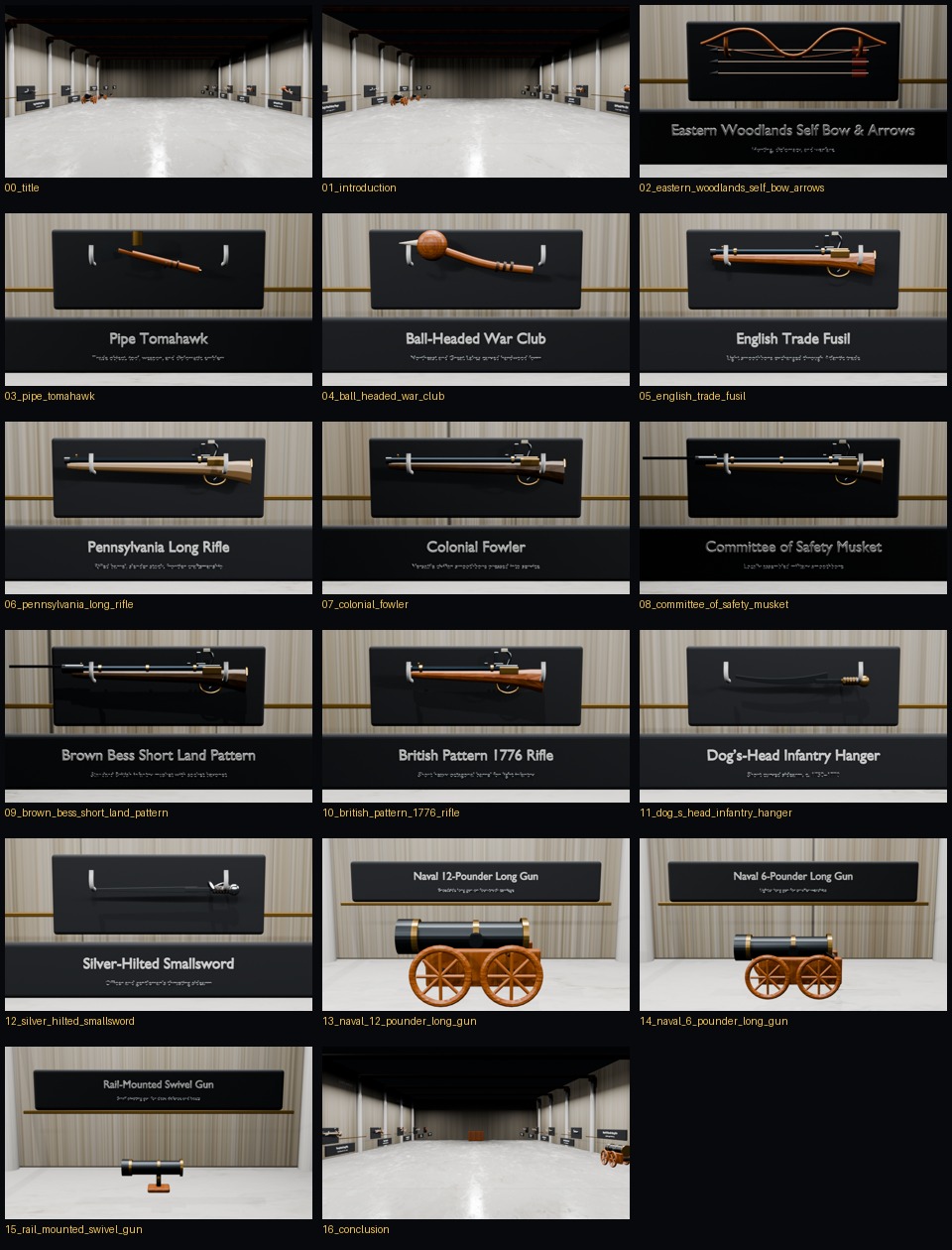
What I’ve since learned with the other blender projects is that it’s quite possible to extract these objects out and use them in a threeJS game. Sadly, I won’t have time to get that done today and still wrap up the other projects I have going. However, it’s something to note. Need a weapon for a game? Have an agent build you 100 of them, export them all, and use the best option.
The Breakthrough
The breakthrough to this higher quality happened once I stopped trying to drive threejs like it was an “everything” engine and start looking at the other tools at my disposal. Everytime I thought maybe a tool was a little too far out of reach? The agentic platform of Hermes began adapting itself and the environment over time to what I needed. I didn’t need to draw up a cathedral of a software factory or harness. Instead, I just needed proven tools, an agentic Hermes and an intelligent model like 5.5 and 5.6 (5.6 dropped during the midst of my experiments in this).
The documentary is not merely a finished video about 1776. It is also a collection of reusable models, a tested production process, and evidence that the next project can begin further ahead than the last one did.
I’d encourage you to think of your existing desktop apps as “hands” for your software agents. You might be surprised what capable hands can do.
Original source
Canonical Substack URL: https://advisoryhour.substack.com/p/summer-into-ai-eric-week-4-submission.