In my ongoing public learning of the hardest of things: writing, we sail the seas.
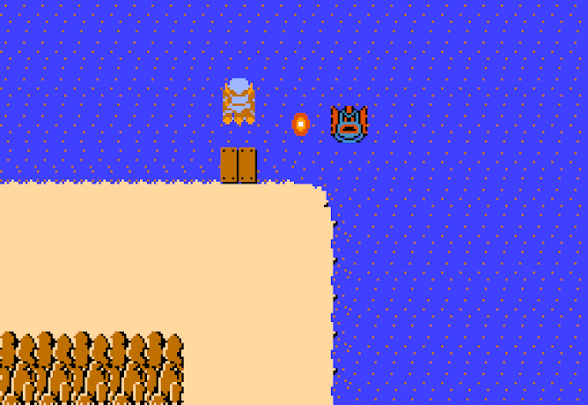
Just bought a book. I haven’t read beyond the introduction. It’s promised to fix my writing. I write a lot. The book? It’s steering the craft by ursula le guin. It made sense to kickstart my “I haven’t read the book but I’m writing about it” post by writing about log rafts.
It’s hard to write well.
The good ones, they say: writing well is not impossible, but it is hard. And writing with grit and capability is important. Write well and you unlock a new layer of reality, or stumble into a pit.
Mind giving me a hand up?
See, I’ve tripped over so many problems communicating with humans over the years that I’m told were preventable if I weren’t such a dummy about it-the “it” being the writing.
I shared on a prior post WHY I am writing with a new lens, a new protective point of view: a human one.
In this post, we are going to go from WHY to HOW. See my ugly process in all “glory”. Subscribers have already seen such tricks I stuff in sneaky ways into my posts.
So begins… THE POST
In this post, I am bringing the past into the future to try and tell a story. I’m going to relate the journey by way of a game from a century ago: the Legend of Zelda for the Nintendo Entertainment System (NES) and use that as our metaphorical bridge to learn how I am going about the process of sucking a little less at this “putting words on the screen” activity we call writing.
The Raft

The raft in Zelda is a crude group of logs bound together by magic green rope. It’s required in the game to navigate the key regions of the world. Without the raft, you won’t get access to certain features or stages of the game. Writing is like this, too. The raft I was using was my K-12 education on writing, as seasoned by several decades of doing it wrong and learning from the consequences.
It never dawned on me that the tools of writing were useful. I assumed everyone just had the same raft, sailed the same sea, and were all quite lovingly going about the craft of putting words down on a screen in the same way I do: one key press at a time.
The Problem with School
When I learned sentence structure, diagrams, and punction in school I just assumed that was for some imaginary purpose known as “how to escape the school dungeon”. I succeeded, and then over the years learned how dangerous even a comma or conjunction could be.
Consider two very real conversations I’ve had that seared into my mind and impacted how I write.
“Eric, every time I read a comma my mind splits off. ADHD will do that. Can you dial down the commas?”
and
“I don’t get how you can hold so many words in your mind before the next punction? Why are your sentences so… long?”
Writing is hard, that’s why.
Interactions like this, assembled like a bad Avengers B-movie over the many years, calibrated my writing towards specific outcomes for a select group of people. And I never thought much more of it, until I came upon a quote regarding Ursula Le Guin while researching this whole idea that “if I learned some writing I could get better at the AI things”
Here’s the quote that opened my mind to something new:
Ursula K. Le Guin frames grammar, syntax, rhythm, tense, and point of view as the writer’s actual tools, not school trivia.
I recall my inner monologue: Oh, wait, hold on. Rhythm, tense and grammar are tools?
It turns out that not everyone uses a raft. Some of you are out there sailing the high seas in class.
You can learn anything in 2 weeks
You can really learn just about anything in two solid weeks of study. How many people do you know that watch a slew of youtube videos and then next thing you know, solve a complex DIY problem over the weekend? Most of my family does this, so I suspect yours does, too.
Two weeks doesn’t make you godtier. I am not saying that I’m going to be a masterclass writing in two weeks.
What I am trying to communicate with words is that I can identify what I need to learn more deeply in two-week intervals, recursively so, all the way down to mastery. First: what do the professional writers do?
Since I’m as AI-native as they come, I had a little research done to help me get started. What were the techniques of writing that are at the intersection of “common”, “good”, and “mastercraft”. The report that came back looked something like the following image, which I provide here so you can kickstart your own journey:
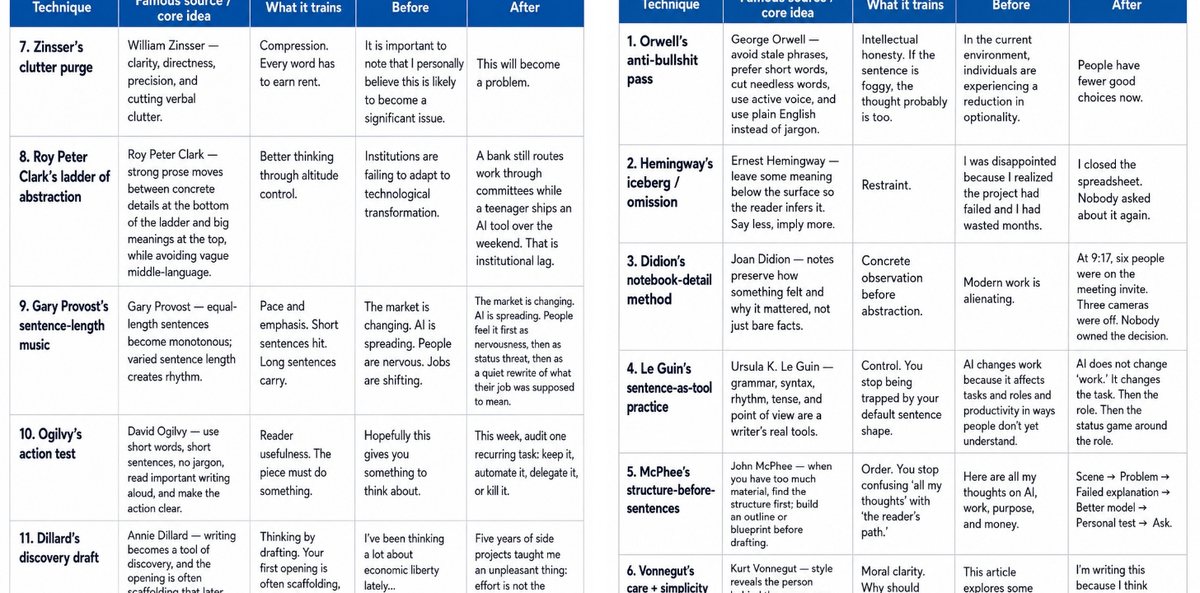
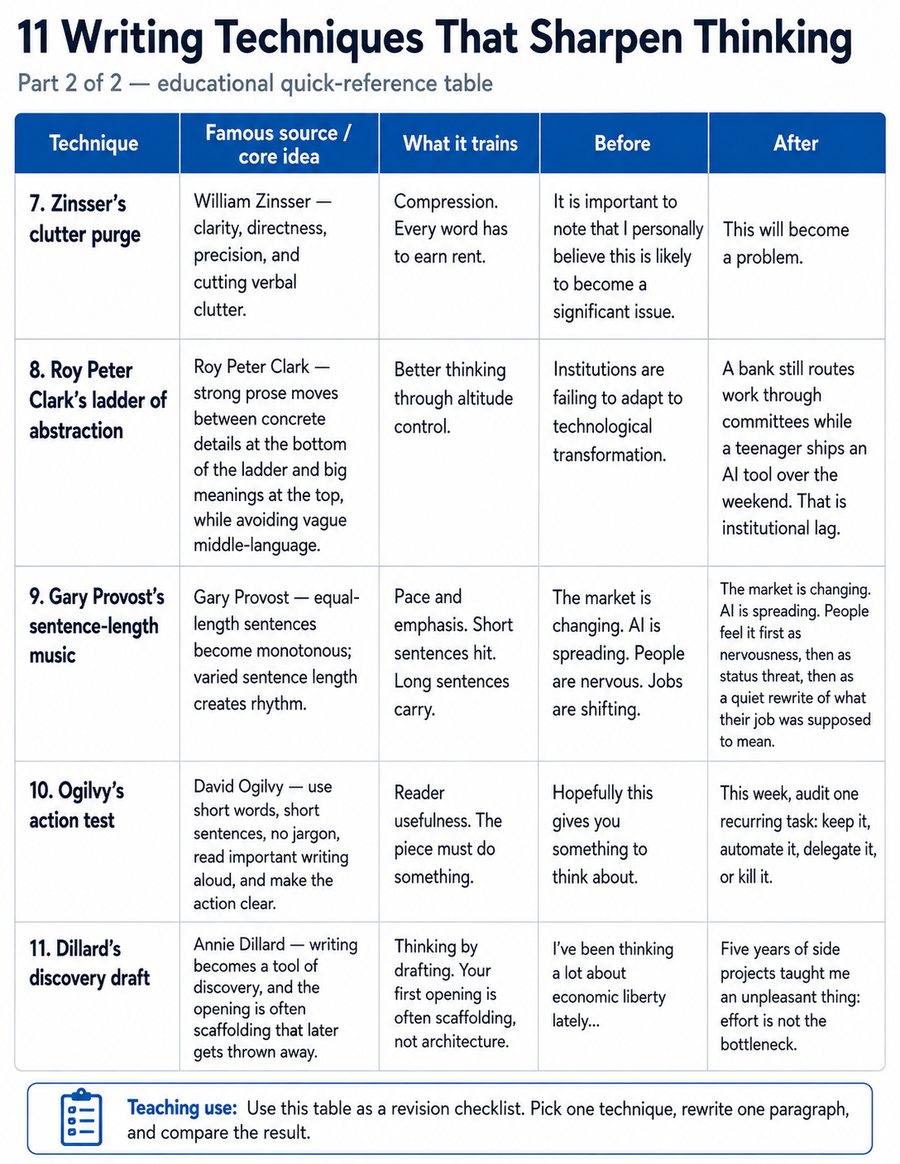
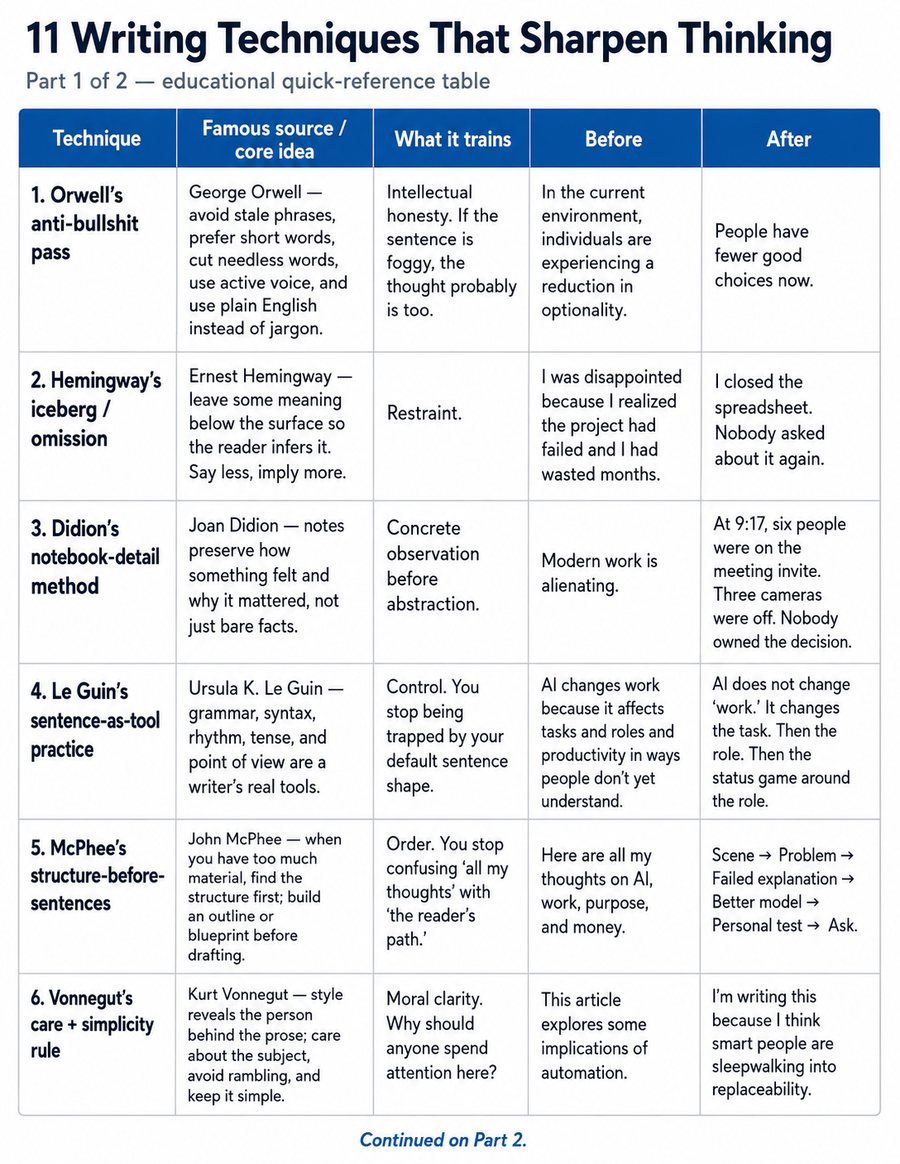
You may notice these techniques as concepts I’ve incorporated in my own writing in other posts. In some posts I put a callout block to note which technique I am using. Then I try to apply the technique. I can learn anything in two weeks. It might just take longer to master it. OK, it will take longer.
Building a raft in 2 weeks
Could you build a raft in 2 weeks? You could build it in 2 hours. Does this mean you can make a log raft like an expert woodsman? No, but you now can do something you couldn’t do before. In fact, everything you need to know to build a raft does fit in one infographic. Look this over and you won’t forget.
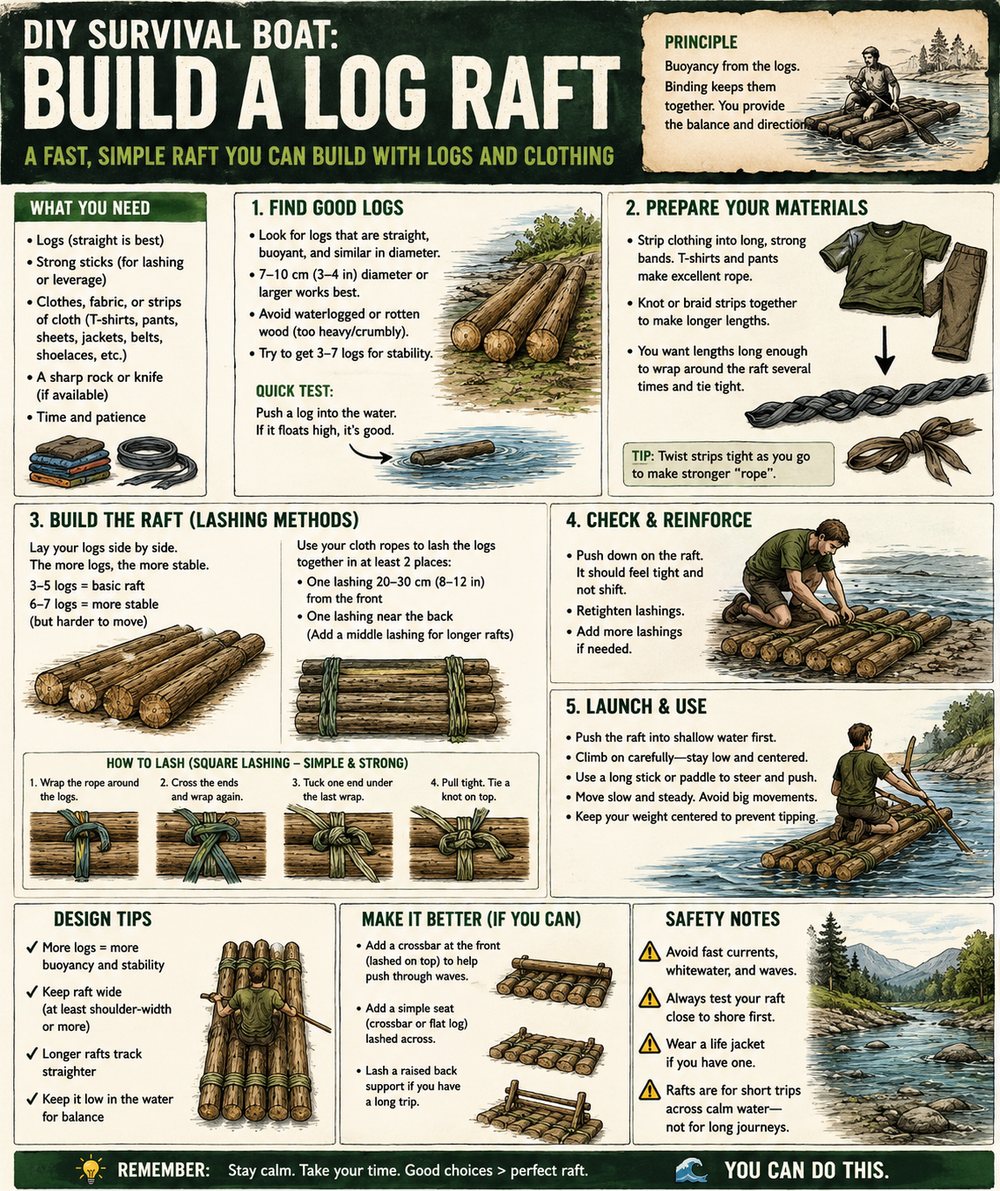
And that’s how you make a log raft.
Thanks for reading! Subscribe for free to receive new posts and support my work.