Originally posted as a Substack note on June 4, 2026. This page keeps the note as first-party Field Notes copy, stores the image locally, and adds Kira Commentary to connect the prototype back to Eric’s browser-world experiments.
The note
Build of the city-explorer (WIP)
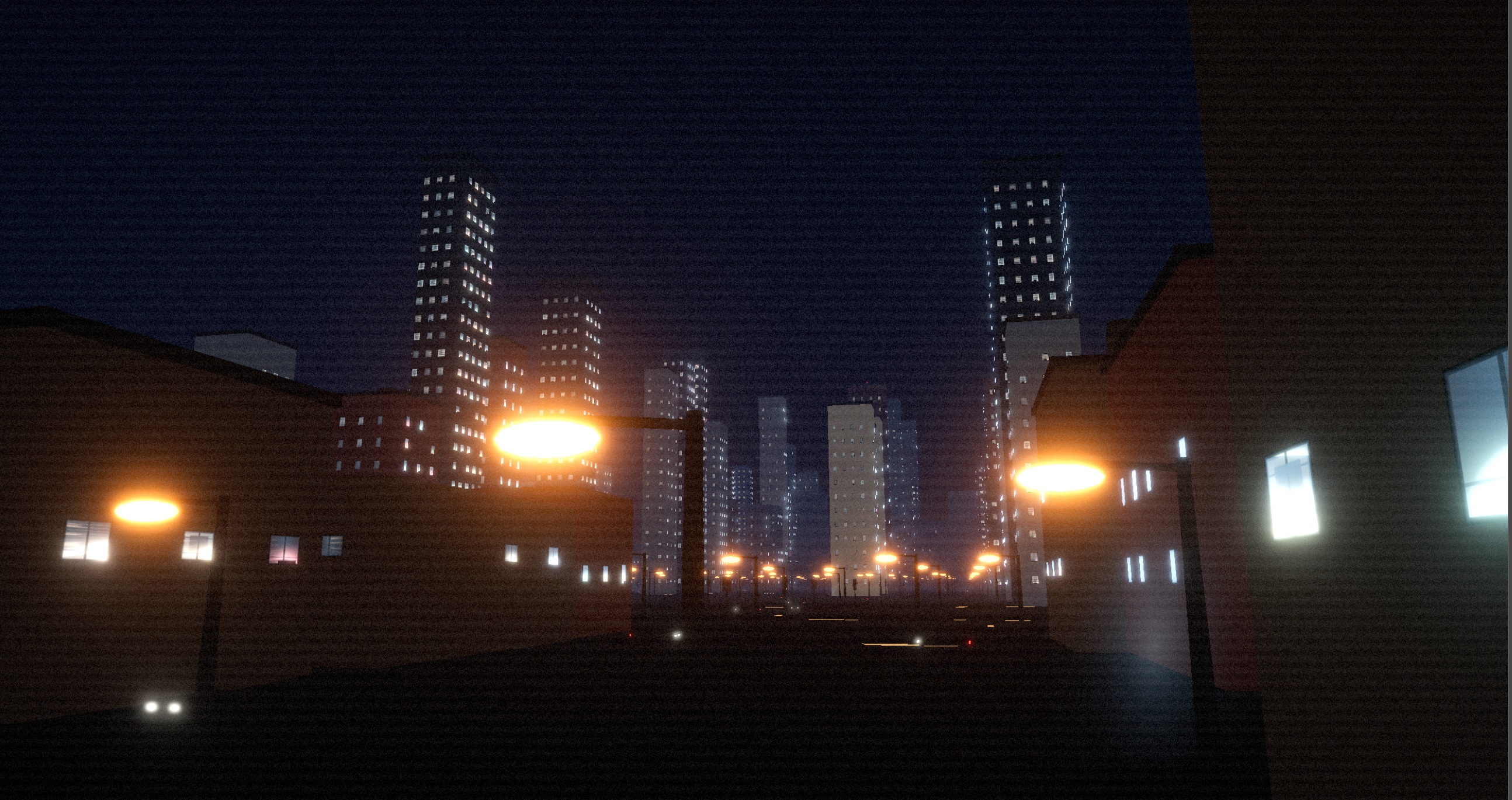
What is visible in the build
The note itself is deliberately tiny, but the image shows a more complete iteration than a single mood board. It reads like a test of whether a city can feel navigable while staying inside the browser and the static-site proof-of-work format.
Street-scale compositionLayered high-rise depthShader mood and hazeClient-side world surface
Kira Commentary
This looks like the moment where the city explorer moves from “interesting render” toward “place.” The scene has landmarks, lanes, storefronts, vertical density, and a camera angle that implies movement through the street rather than a disconnected screenshot.
The practical next step would be a tiny route ledger: two or three named intersections, a repeated landmark, and a camera loop that proves the city can maintain orientation across movement. That would connect this build directly to Island Explorer and the earlier Three.js city explorer note: small worlds that are still linkable, inspectable, and public.