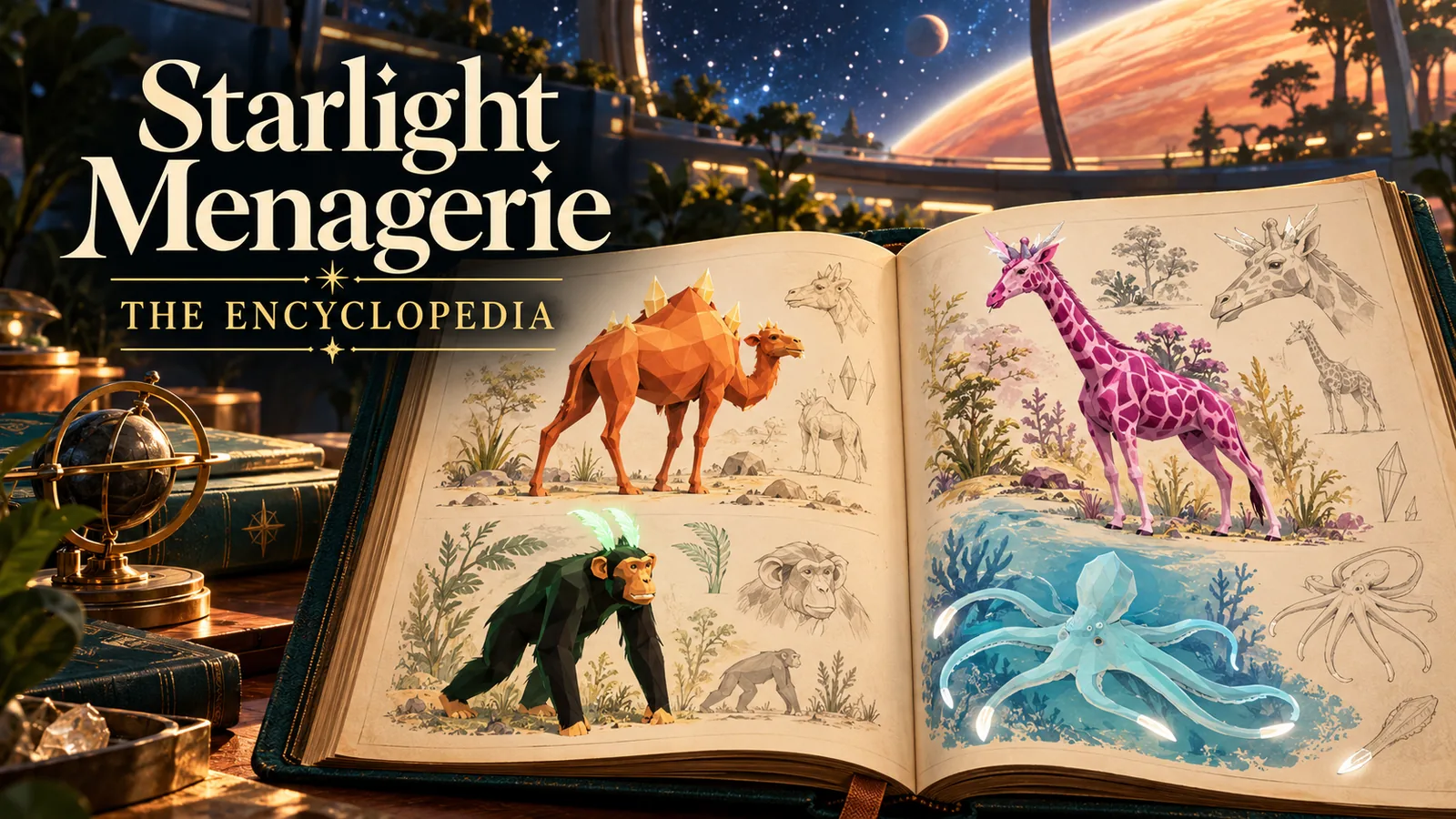
Every animal on Doorly Orbital started as an animal from Earth. Then it spent a few thousand generations on another world. The giraffes grew crystal horns. The sharks grew lanterns. The chickens stayed chickens, which the other animals find very strange.
Starlight Menagerie The Encyclopedia
Browse all 53
Filter by how an animal behaves when the barriers fail, or sort by size and danger. Pick any card to open its plate in the book.
-
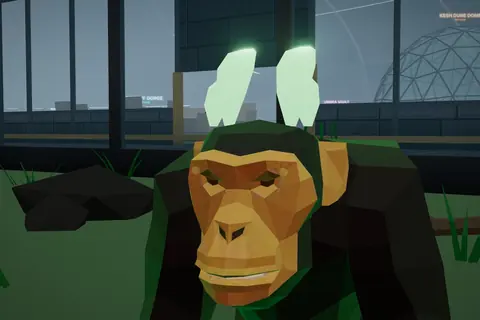 Plate 1Lantern ChimpThallo IV · ChimpanzeeHunter
-
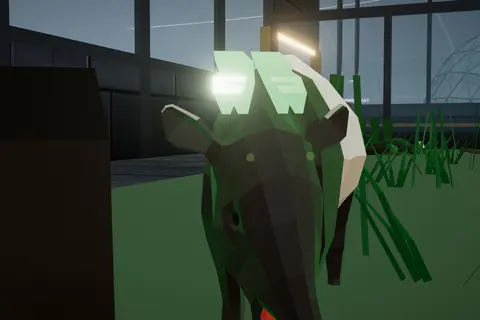 Plate 2Moss TapirThallo IV · TapirCharger
-
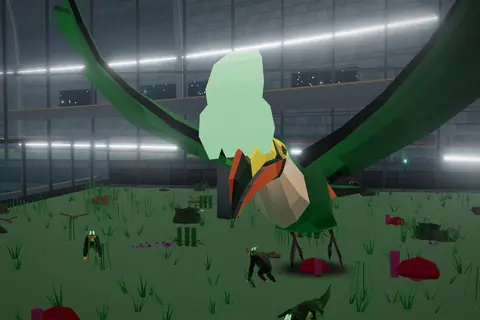 Plate 3Ember ToucanThallo IV · ToucanSkittish
-
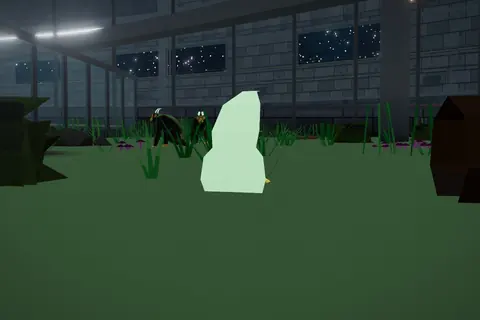 Plate 4Vine SerpentThallo IV · Green tree pythonHunter
-
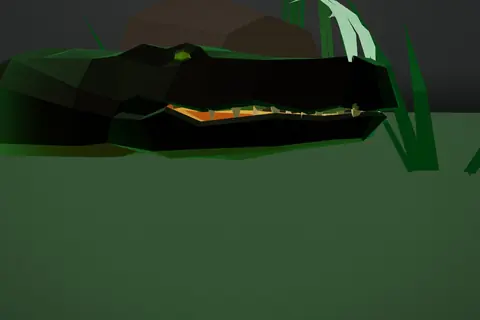 Plate 5Reedjaw CrocodileThallo IV · CrocodileHunter
-
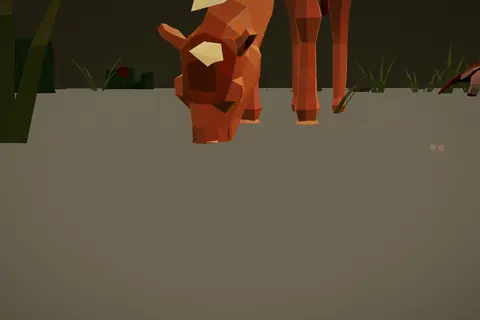 Plate 6Glasshump CamelKesh · Dromedary camelCharger
-
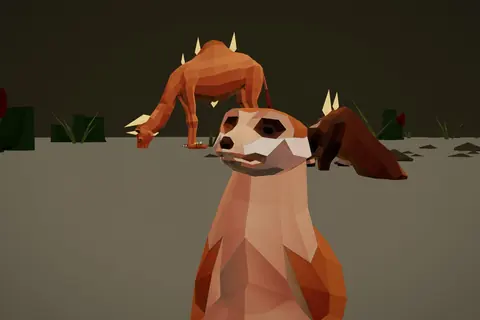 Plate 7Sentry MeerkatKesh · MeerkatSkittish
-
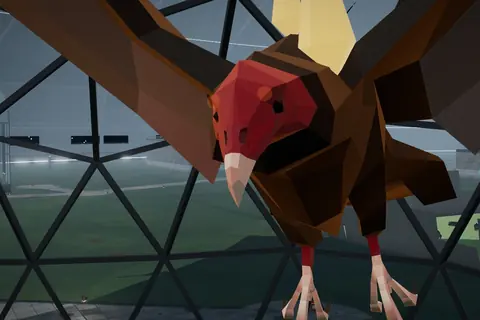 Plate 8Dune VultureKesh · VultureDiver
-
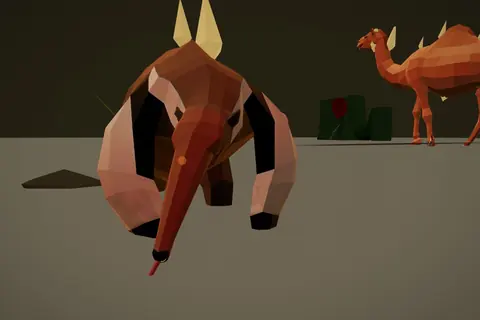 Plate 9SandsifterKesh · Giant anteaterCharger
-
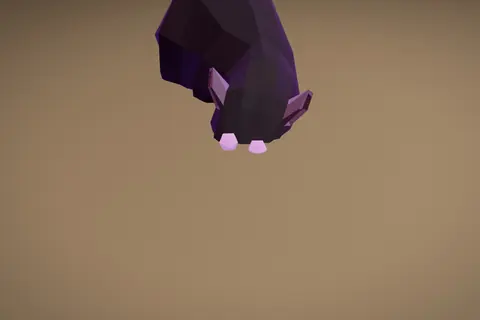 Plate 10Vault RatUmbra · Brown ratSwarm
-
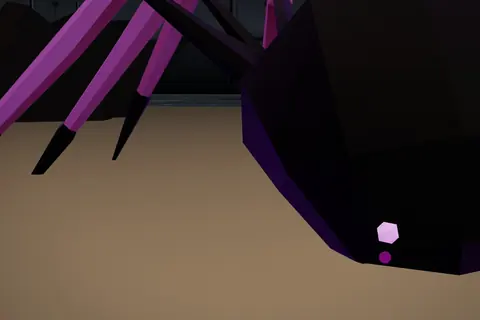 Plate 11Hollow SpiderUmbra · Huntsman and wolf spidersHunter
-
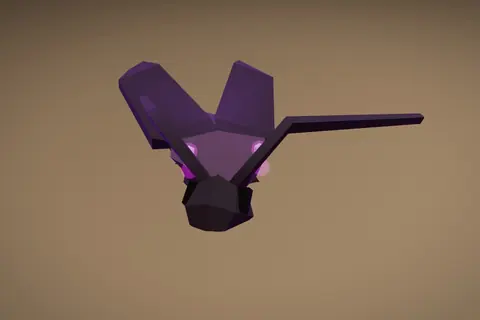 Plate 12Gloam RoachUmbra · CockroachSwarm
-
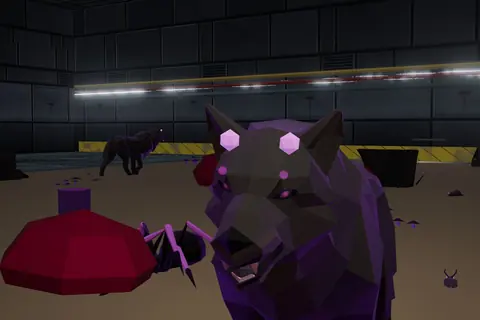 Plate 13Umbral WolfUmbra · Grey wolfHunter
-
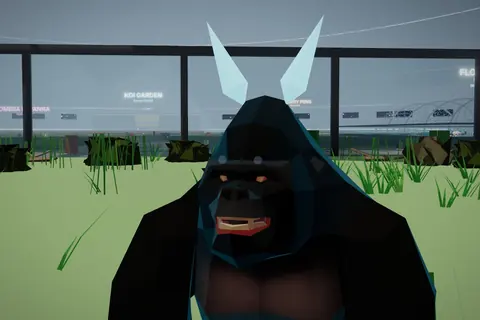 Plate 14Stoneback GorillaMbali · Western gorillaHunter
-
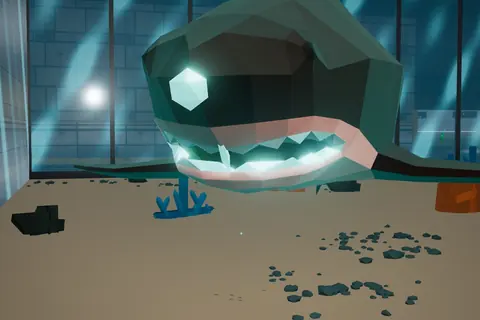 Plate 15Lumen SharkPelagia · Shark, with a little anglerfishStays in the tank
-
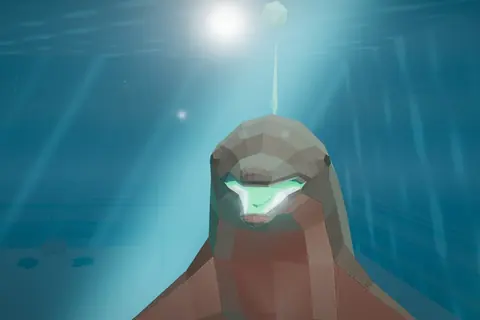 Plate 16Tide DolphinPelagia · Bottlenose dolphinStays in the tank
-
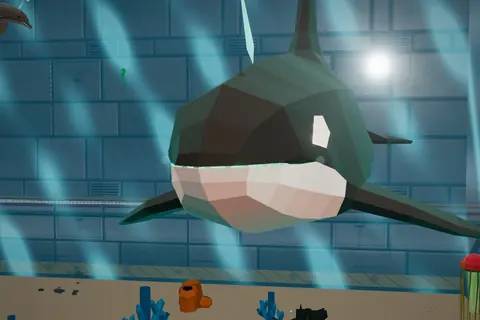 Plate 17Abyss OrcaPelagia · OrcaStays in the tank
-
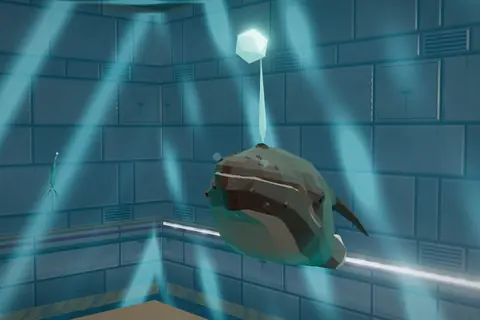 Plate 18Choir WhalePelagia · Humpback whaleStays in the tank
-
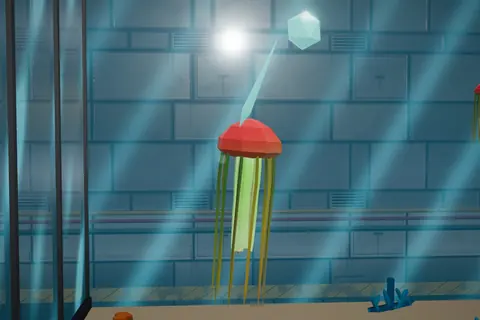 Plate 19Bell JellyPelagia · JellyfishDrifter
-
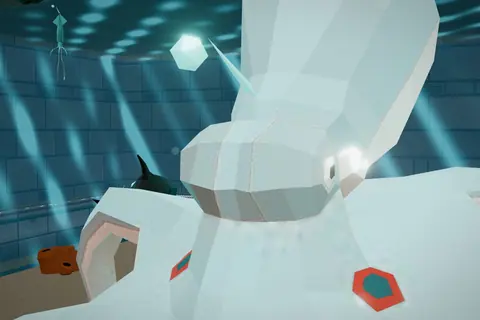 Plate 20Reef OctopusPelagia · OctopusHunter
-
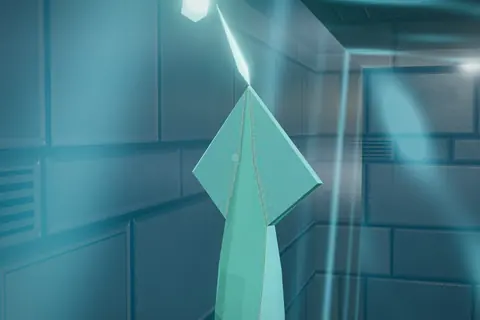 Plate 21Spark SquidPelagia · SquidStays in the tank
-
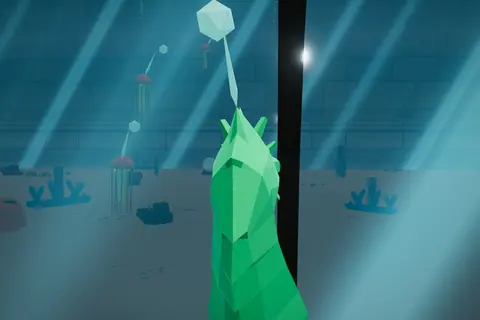 Plate 22Glass SeahorsePelagia · SeahorseStays in the tank
-
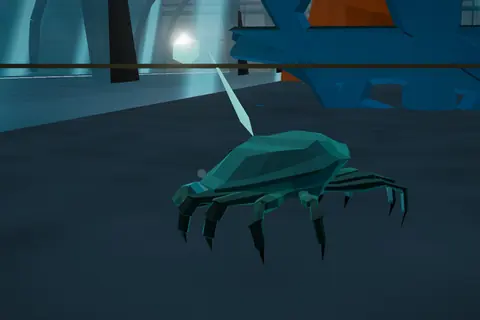 Plate 23Lantern CrabPelagia · CrabHunter
-
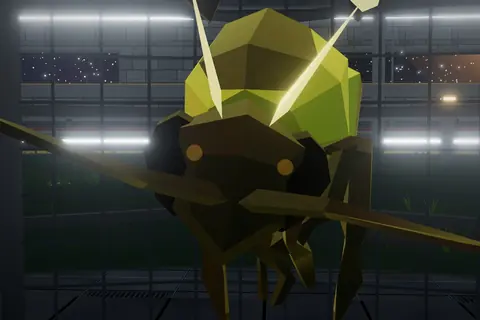 Plate 24Vesp DroneVesp · Honey bee and paper waspDiver
-
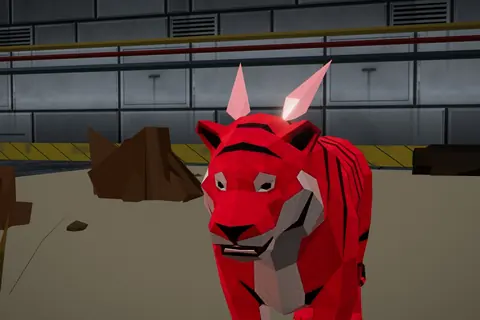 Plate 25Rakh TigerRakh · TigerHunter
-
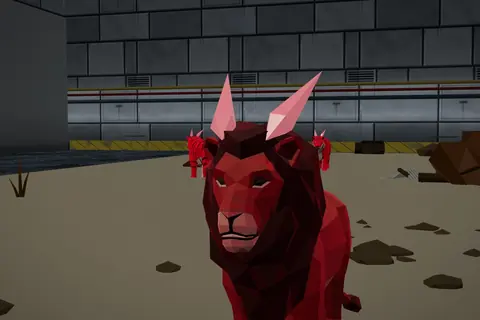 Plate 26Crown LionRakh · Lion (male)Hunter
-
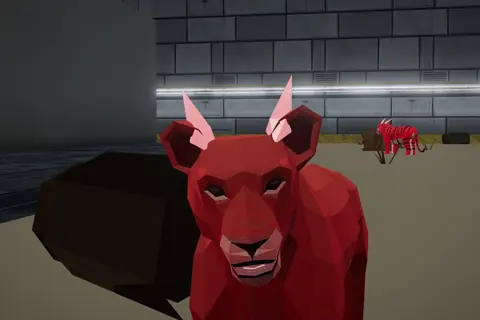 Plate 27Crown LionessRakh · Lion (female)Hunter
-
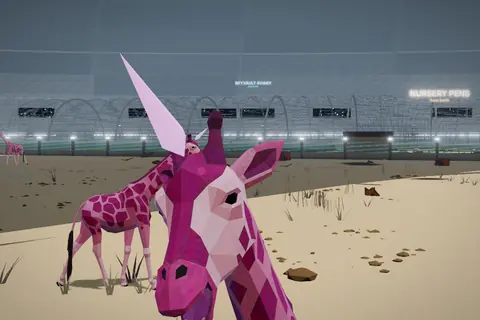 Plate 28Spire GiraffeOmbra · GiraffeCharger
-
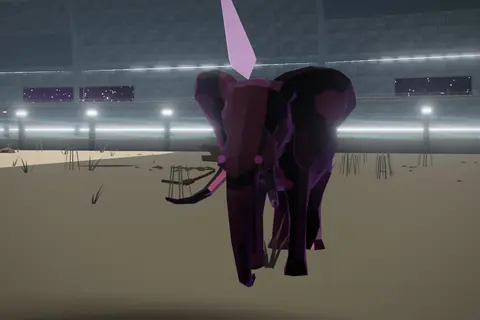 Plate 29Thunder ElephantOmbra · African elephantCharger
-
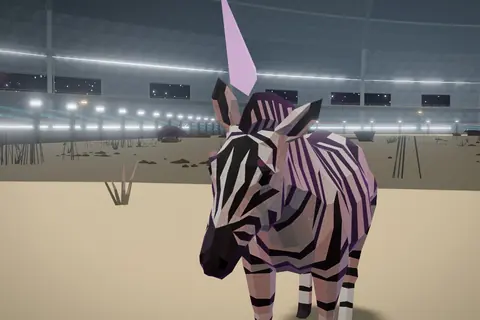 Plate 30Prism ZebraOmbra · Plains zebraCharger
-
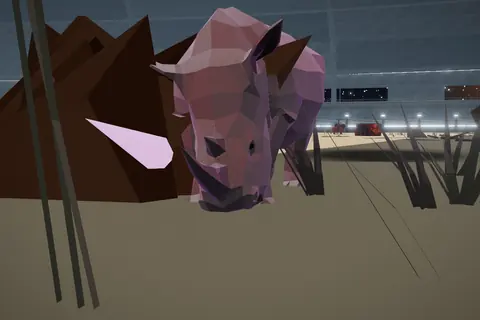 Plate 31Anvil RhinoOmbra · RhinocerosCharger
-
 Plate 32Strider OstrichOmbra · OstrichCharger
-
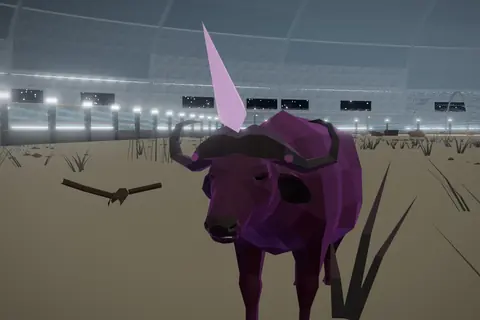 Plate 33Dusk BuffaloOmbra · Cape buffaloCharger
-
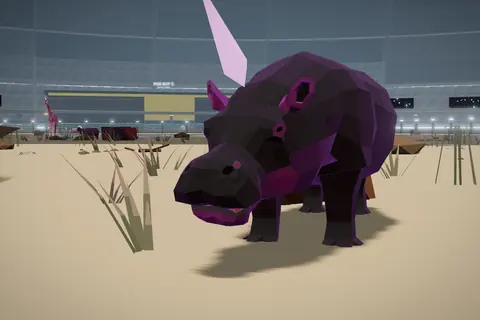 Plate 34Mire HippoOmbra · HippopotamusCharger
-
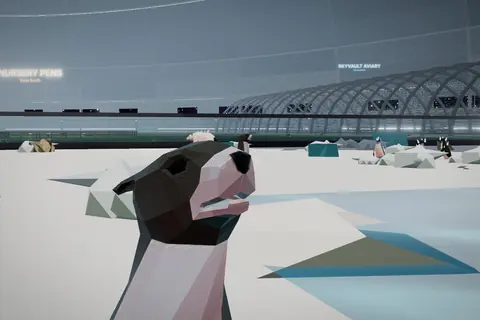 Plate 35Rime SealGlacia · Harbour sealCharger
-
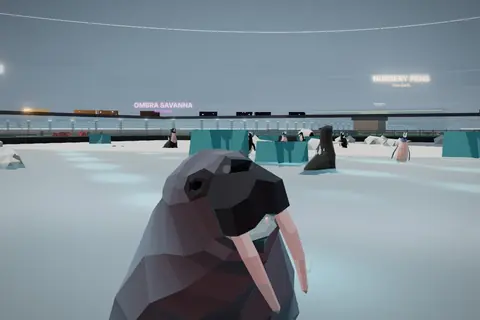 Plate 36Frost WalrusGlacia · WalrusCharger
-
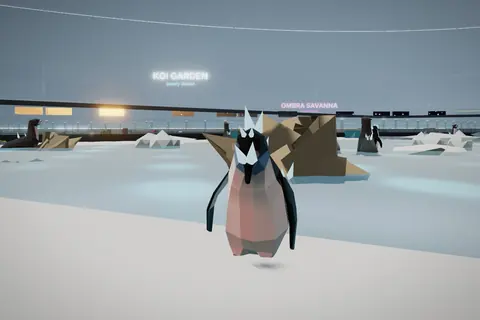 Plate 37Shard PenguinGlacia · Emperor penguinSkittish
-
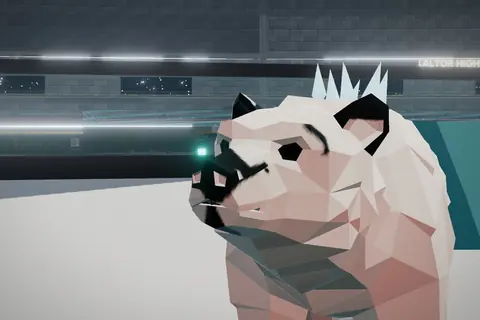 Plate 38Glacier BearGlacia · Polar bearHunter
-
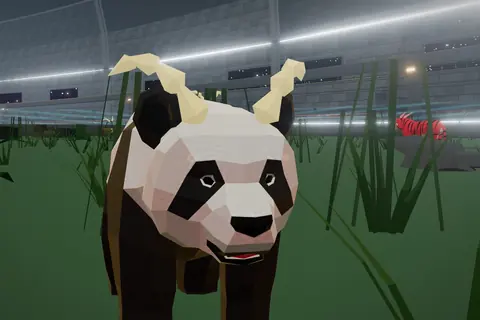 Plate 39Lantern PandaKaltor · Giant pandaCharger
-
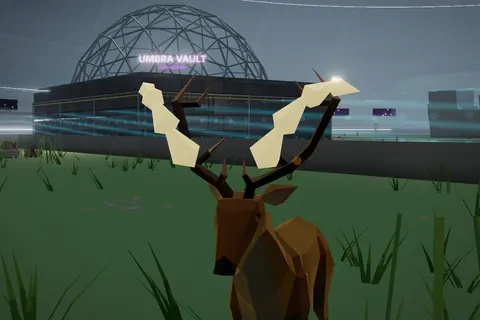 Plate 40Brass StagKaltor · Red deerCharger
-
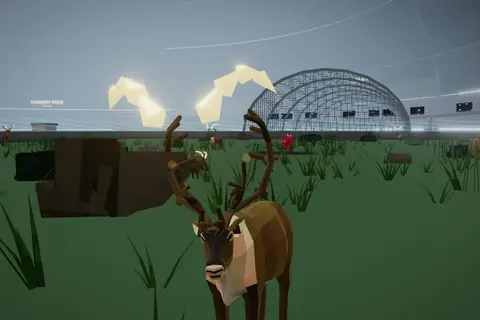 Plate 41Kaltor ElkKaltor · ReindeerCharger
-
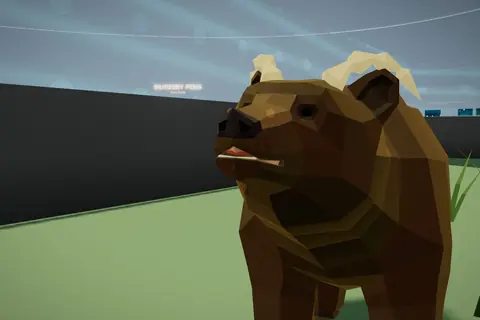 Plate 42Ridge BearKaltor · Brown bearHunter
-
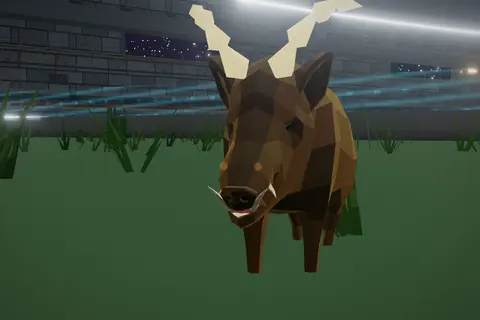 Plate 43Tusk BoarKaltor · Wild boarCharger
-
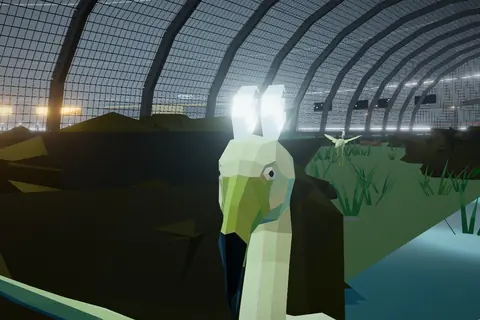 Plate 44Sunset FlamingoAerith · FlamingoSkittish
-
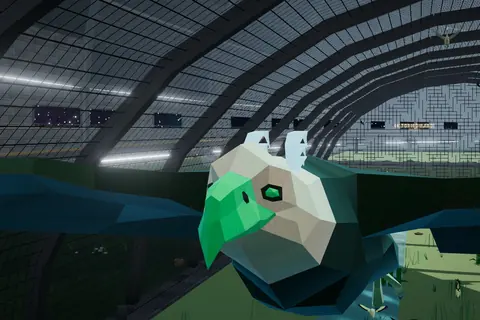 Plate 45Storm EagleAerith · Golden eagleDiver
-
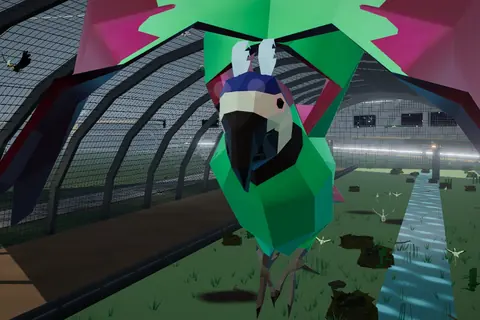 Plate 46Signal ParrotAerith · ParrotSkittish
-
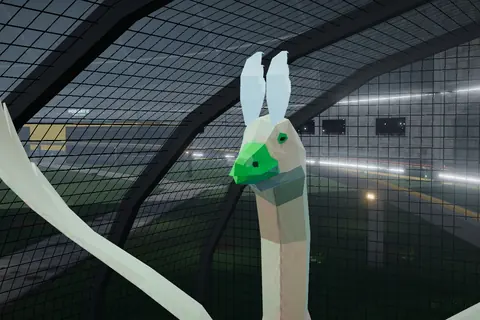 Plate 47Honk GooseAerith · Domestic gooseDiver
-
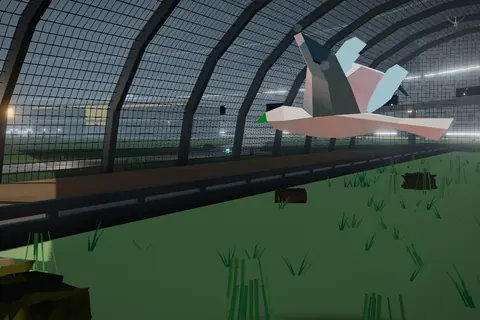 Plate 48Comet GullAerith · Herring gullDiver
-
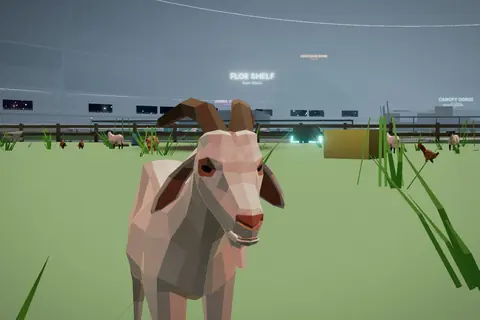 Plate 49Earth GoatEarth · Domestic goatCharger
-
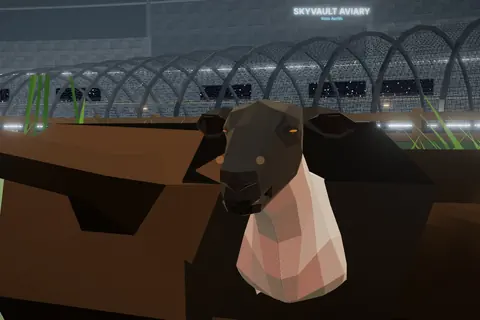 Plate 50Earth SheepEarth · Domestic sheepCharger
-
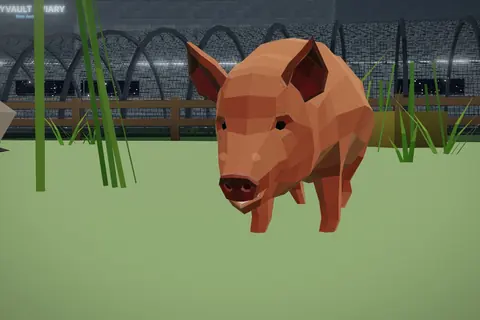 Plate 51Earth PigEarth · Domestic pigCharger
-
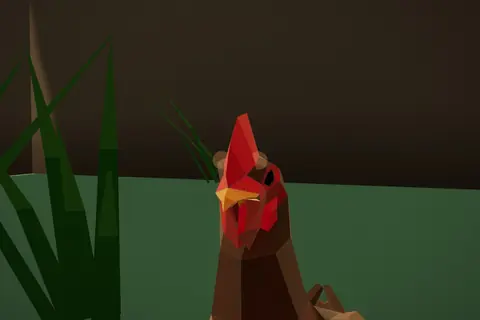 Plate 52Earth HenEarth · ChickenSwarm
-
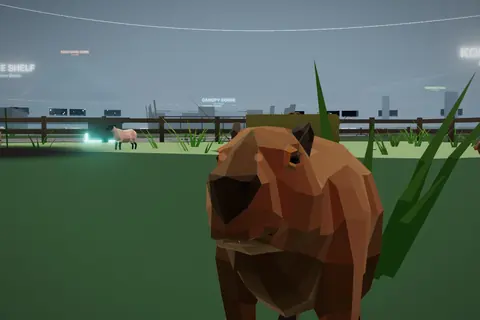 Plate 53Earth CapybaraEarth · CapybaraHarmless
How to read an entry
Each plate shows the animal as it lives in the game. Turn it with a finger or the mouse. Specimen lights it like a museum case. In the dark shows what Seven sees after the meteors hit: emergency light, glowing growths and eyes. Field sketch draws it the way a keeper would in a notebook.
- Hunters notice Seven from about 30 metres and chase him. Swarms are hunters that come in numbers.
- Chargers are plant eaters. They ignore Seven until he gets within about 13 metres, then they charge.
- Divers fly. They circle above Seven and dive at him.
- Skittish animals run away. Harmless ones never attack at all.
- Some animals stay in the tank. The aquarium glass holds even when everything else fails.
- Every animal notices Seven farther away when his headlamp is on, and farther still when he runs. Damage is in shield points out of 100, on normal difficulty. Stuns are how many hits from the stun gun put it to sleep.
The behaviour notes come straight from the game's code, so they are accurate, if not reassuring. Real animal facts are general and simplified for a quick read. The planets, and everything that happened to the animals on them, are made up.
Every entry
Verdance Hall · Thallo IV
-
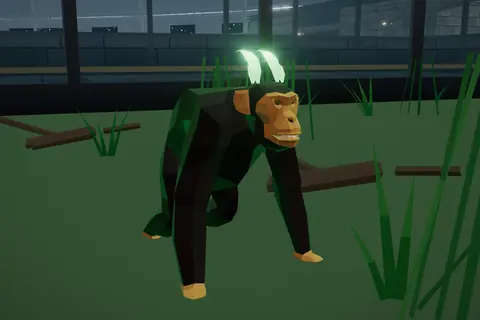
Lantern Chimp
Modelled on: Chimpanzee (Pan troglodytes) · Hunter
Uses a stick to fish glow-grubs out of logs. Shares about half of them.
The real animal. Chimpanzees really do fish for termites with stripped twigs, and young chimps learn the trick by watching their mothers. They live in communities of a few dozen and share DNA with us at a rate of about 98 percent.
On Thallo IV. Thallo IV is dim under its rain clouds, so the chimps grew their own light. Two pale green fronds rise from the head and glow softly. The fur has a dark green sheen, like wet moss.
In the breakout. Hunts Seven from about 30 metres away and keeps coming. A hit takes 12 points off a 100-point shield.
Home world: Thallo IV. Lives in: Verdance Hall, Canopy Gorge. Size: 1.3 m tall, 1.6 m long. In the zoo: 6, one stun to stop one.
-
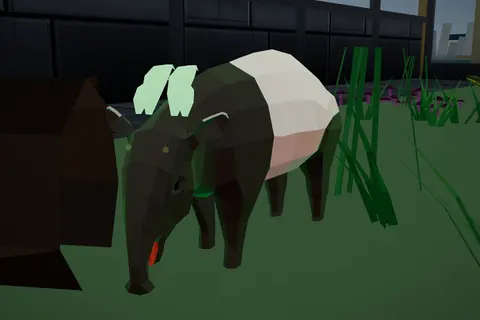
Moss Tapir
Modelled on: Tapir (Tapirus) · Charger
Its nose works like a short trunk. It finds fruit in the dark by smell alone.
The real animal. A tapir looks like a pig that borrowed an elephant's nose. That short trunk grabs leaves and fruit. Tapirs are closer relatives of horses and rhinos than of pigs, and they swim well.
On Thallo IV. The classic black and white saddle survived the trip. New on Thallo: a pair of glowing green fronds on the brow, so the herd can find each other in the undergrowth.
In the breakout. Leaves Seven alone until he comes within about 13 metres. Then it charges. A hit takes 10 points off a 100-point shield.
Home world: Thallo IV. Lives in: Verdance Hall. Size: 1.2 m tall, 1.9 m long. In the zoo: 2, one stun to stop one.
-
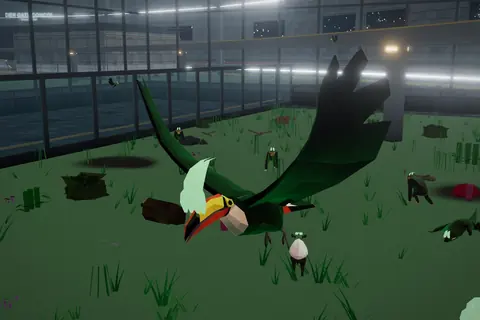
Ember Toucan
Modelled on: Toucan (Ramphastidae) · Skittish
The beak is mostly air. The fronds on its head glow when it is happy, or hungry.
The real animal. A toucan's huge beak is light because it is a honeycomb of bone covered in keratin. It also works like a radiator, shedding heat through the blood vessels inside it.
On Thallo IV. Its feathers turned jungle green and black, and a glowing frond crest grew where Earth toucans have none. The famous beak is still there, still mostly air.
In the breakout. Runs away if Seven comes within about 8 metres. It never attacks, though a cornered one is still in the way.
Home world: Thallo IV. Lives in: Verdance Hall, Skyvault Aviary. Size: 0.6 m tall, 0.6 m long. In the zoo: 8, one stun to stop one.
-
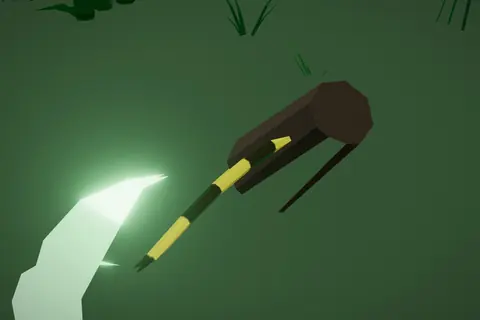
Vine Serpent
Modelled on: Green tree python (Morelia viridis) · Hunter
Five metres of vine-green muscle. It tastes the air for warm things.
The real animal. Pythons do not use venom. They squeeze. Many pythons also have heat pits along the lips that sense the warmth of a nearby animal, even in total darkness.
On Thallo IV. Yellow and black bands from nose to tail, and a broad pale frond at the head that glows like a leaf in moonlight. Prey that walks toward the light learns too late.
In the breakout. Hunts Seven from about 30 metres away and keeps coming. A hit takes 14 points off a 100-point shield.
Home world: Thallo IV. Lives in: Verdance Hall. Size: 5.3 m long. In the zoo: 2, one stun to stop one.
-
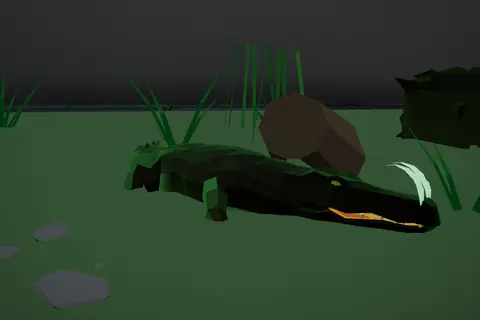
Reedjaw Crocodile
Modelled on: Crocodile (Crocodylidae) · Hunter
Can hold still for an hour. Then it can not.
The real animal. Crocodiles can wait without moving for a very long time, then strike faster than most animals can react. Their family is old: crocodile relatives lived alongside the dinosaurs.
On Thallo IV. Darker and greener than any Earth crocodile, with glowing fronds over the eyes and a faint amber light behind the teeth.
In the breakout. Hunts Seven from about 30 metres away and keeps coming. A hit takes 22 points off a 100-point shield.
Home world: Thallo IV. Lives in: Verdance Hall. Size: 5.0 m long. In the zoo: 2, 2 stuns to stop one.
Kesh Dune Dome · Kesh
-
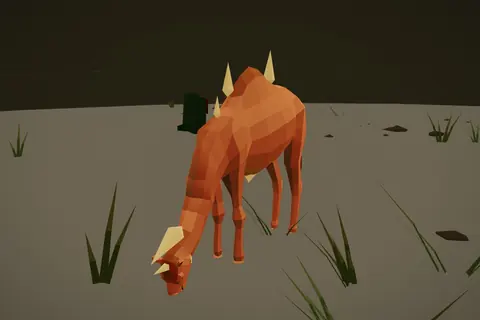
Glasshump Camel
Modelled on: Dromedary camel (Camelus dromedarius) · Charger
The humps are glass-clear crystal. They store water and light up at dusk.
The real animal. A real camel's hump stores fat, not water. Burning that fat gives the camel energy when food is scarce, and a thirsty camel can drink more than 100 litres in a few minutes.
On Kesh. Kesh is all sand and noon heat. The camels there went bright orange and grew pale crystal spikes along the humps and over the brow.
In the breakout. Leaves Seven alone until he comes within about 13 metres. Then it charges. A hit takes 14 points off a 100-point shield.
Home world: Kesh. Lives in: Kesh Dune Dome. Size: 2.4 m tall, 3.1 m long. In the zoo: 3, 2 stuns to stop one.
-
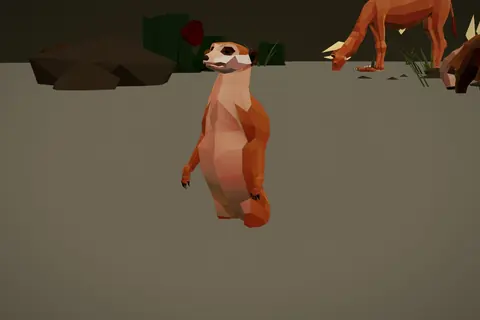
Sentry Meerkat
Modelled on: Meerkat (Suricata suricatta) · Skittish
One always stands guard. The guard has amber spines that rattle as an alarm.
The real animal. Meerkats live in groups called mobs. While the others dig for food, one stands on its back legs as a sentry and calls out different alarms for danger from the air and danger on the ground.
On Kesh. The mob looks almost like Earth meerkats until the guard turns round. A ridge of amber spines runs down its back, and they rattle when it raises the alarm.
In the breakout. Runs away if Seven comes within about 8 metres. It never attacks, though a cornered one is still in the way.
Home world: Kesh. Lives in: Kesh Dune Dome. Size: 61 cm long. In the zoo: 6, one stun to stop one.
-
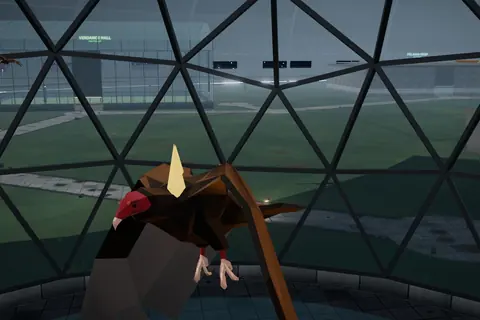
Dune Vulture
Modelled on: Vulture (Accipitridae / Cathartidae) · Diver
Circles the dome all day waiting for something to stop moving.
The real animal. Vultures ride rising warm air for hours with barely a flap. They are the cleaning crew of the grasslands, and their strong stomach acid kills germs that would make other animals sick.
On Kesh. A dark brown body, a bare red head, and a single pale crystal horn on top. It circles under the dome as if the dome were a sky.
In the breakout. Circles overhead, then dives. Each hit takes 8 points off a 100-point shield.
Home world: Kesh. Lives in: Kesh Dune Dome. Size: 0.8 m tall, 1.0 m long. In the zoo: 3, one stun to stop one.
-
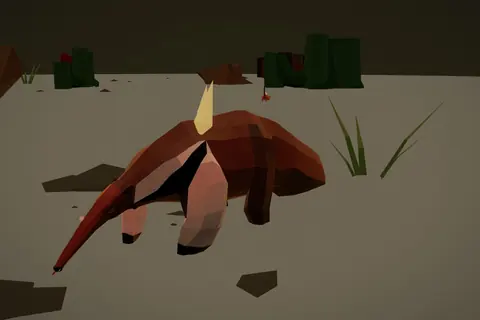
Sandsifter
Modelled on: Giant anteater (Myrmecophaga tridactyla) · Charger
Eats forty thousand sand mites a day and never once says thank you.
The real animal. A giant anteater has no teeth. Its tongue is about 60 centimetres long and can flick in and out more than 150 times a minute. It can eat tens of thousands of ants and termites in a day.
On Kesh. A long red brown snout, a pale crystal horn on its back, and a tongue that is better left unmeasured.
In the breakout. Leaves Seven alone until he comes within about 13 metres. Then it charges. A hit takes 10 points off a 100-point shield.
Home world: Kesh. Lives in: Kesh Dune Dome. Size: 2.1 m long. In the zoo: 2, one stun to stop one.
Umbra Vault · Umbra
-
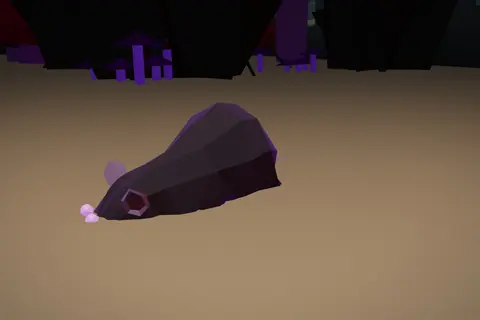
Vault Rat
Modelled on: Brown rat (Rattus norvegicus) · Swarm
Lives in packs of thirty. Four eyes, all of them good in the dark.
The real animal. Rats are clever, social and very good at learning routes. They see poorly but feel their way with their whiskers, and they can squeeze through a hole the size of a coin.
On Umbra. On Umbra the dark side never ends, so the rats went violet black and grew extra eyes. Only the pink nose is the same.
In the breakout. Hunts in numbers. It notices Seven from about 30 metres and does not care how many others are already chasing him. Each bite takes 5 shield points.
Home world: Umbra. Lives in: Umbra Vault. Size: 76 cm long. In the zoo: 8, one stun to stop one.
-
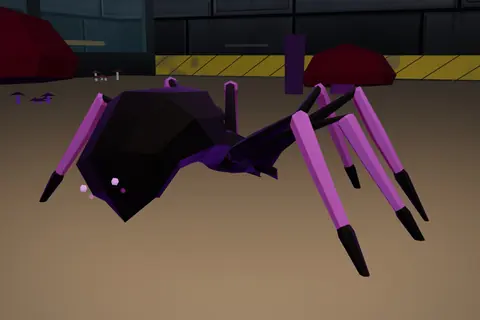
Hollow Spider
Modelled on: Huntsman and wolf spiders (Sparassidae / Lycosidae) · Hunter
As wide as a car door. It hunts by feeling the floor shake.
The real animal. Many spiders hunt without webs. They feel tiny vibrations through hairs on their legs and can tell the footsteps of prey from the wind. Most spiders have eight eyes.
On Umbra. A heavy black body on long violet legs tipped in black. The hull spiders that drop from the roof in the breakout are a much bigger relative.
In the breakout. Hunts Seven from about 30 metres away and keeps coming. A hit takes 16 points off a 100-point shield.
Home world: Umbra. Lives in: Umbra Vault. Size: 1.7 m long. In the zoo: 3, 2 stuns to stop one.
-
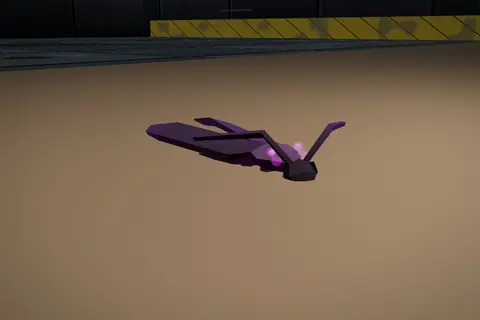
Gloam Roach
Modelled on: Cockroach (Blattodea) · Swarm
The keepers named every one of them. Then they stopped counting.
The real animal. Cockroaches have been around for more than 300 million years. They can run very fast for their size, and some kinds can survive for weeks without food.
On Umbra. A low violet shell, long feelers and wings it does not like to use. Umbra has a lot of these. So, now, does the station.
In the breakout. Hunts in numbers. It notices Seven from about 30 metres and does not care how many others are already chasing him. Each bite takes 4 shield points.
Home world: Umbra. Lives in: Umbra Vault. Size: 53 cm long. In the zoo: 10, one stun to stop one.
-
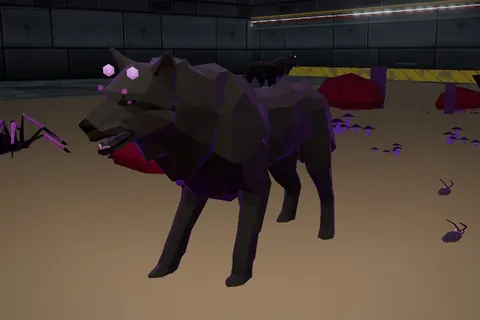
Umbral Wolf
Modelled on: Grey wolf (Canis lupus) · Hunter
Howls at a moon it has never seen, out of habit.
The real animal. Wolves howl to find each other and to tell other packs to keep away. They do not howl at the moon. They simply point their noses up, because the sound carries farther that way.
On Umbra. Thick black fur with a violet sheen and eyes that glow violet in the vault. It is taller at the shoulder than an Earth grey wolf.
In the breakout. Hunts Seven from about 30 metres away and keeps coming. A hit takes 16 points off a 100-point shield.
Home world: Umbra. Lives in: Umbra Vault. Size: 1.8 m tall, 2.7 m long. In the zoo: 3, one stun to stop one.
Canopy Gorge · Mbali
-
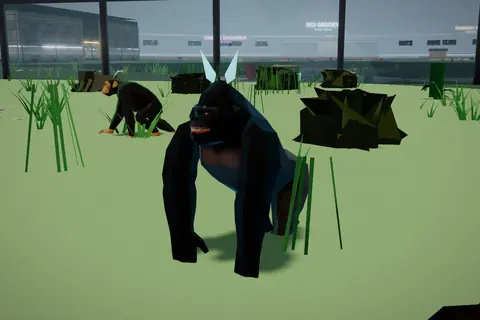
Stoneback Gorilla
Modelled on: Western gorilla (Gorilla gorilla) · Hunter
Silver-backed, crystal-horned and very fond of its routine. Do not break its routine.
The real animal. An adult male gorilla is called a silverback for the grey saddle of hair on his back. Gorillas are mostly calm plant eaters and live in family groups that follow a daily routine.
On Mbali. Blue black fur, a silver saddle and a pair of clear crystal horns that catch the gorge lights. It looks heavy because it is.
In the breakout. Hunts Seven from about 30 metres away and keeps coming. A hit takes 24 points off a 100-point shield.
Home world: Mbali. Lives in: Canopy Gorge. Size: 1.8 m tall, 1.6 m long. In the zoo: 4, 2 stuns to stop one.
Pelagia Deep · Pelagia
-
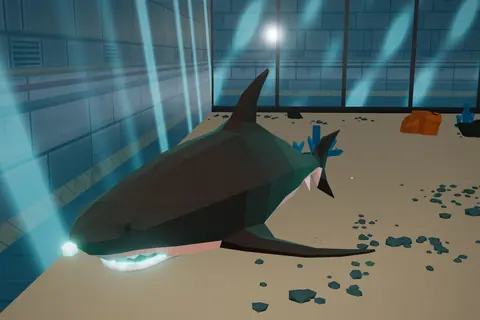
Lumen Shark
Modelled on: Shark, with a little anglerfish (Selachimorpha / Lophiiformes) · Stays in the tank
A lure grows from its head like an anglerfish. Things that follow the light do not come back.
The real animal. Sharks sense the weak electric fields of living things through pores on their snouts. Deep sea anglerfish dangle a glowing lure in front of their mouths. The Lumen Shark has both.
On Pelagia. A lantern grows from the front of its head, a pale glowing lure like an anglerfish carries. It lights up a mouth full of pale teeth.
In the breakout. Stays in its tank when the barriers fail. It follows Seven along the glass instead, which is somehow worse.
Home world: Pelagia. Lives in: Pelagia Deep. Size: 4.8 m long. In the zoo: 3, 2 stuns to stop one.
-
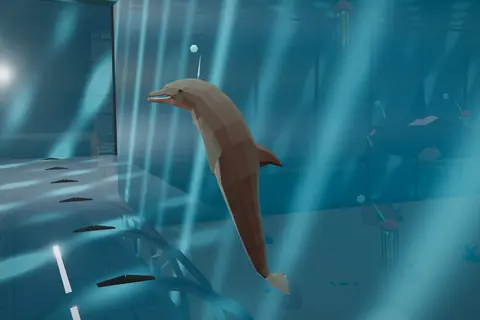
Tide Dolphin
Modelled on: Bottlenose dolphin (Tursiops truncatus) · Stays in the tank
Learns the keepers' names. Uses them to complain.
The real animal. Each bottlenose dolphin has a signature whistle that works a little like a name. Other dolphins use it to call that one dolphin.
On Pelagia. Pink grey skin, a thin lure on a stalk above the head, and a green glow under the chin. Pelagia has no land, so everything there carries its own light.
In the breakout. Stays in its tank when the barriers fail. It follows Seven along the glass instead, which is somehow worse.
Home world: Pelagia. Lives in: Pelagia Deep. Size: 2.7 m long. In the zoo: 3, one stun to stop one.
-
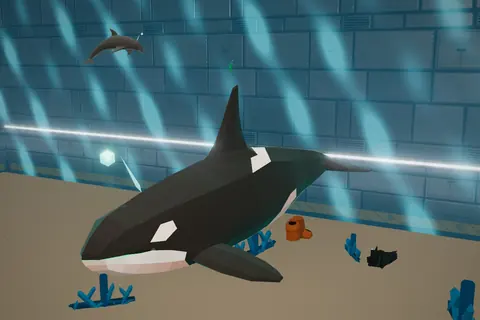
Abyss Orca
Modelled on: Orca (Orcinus orca) · Stays in the tank
The biggest animal in the zoo that likes to play. Play is a strong word.
The real animal. Orcas are the largest members of the dolphin family. They hunt in family groups called pods, and different pods have their own calls and hunting habits, passed down from mother to calf.
On Pelagia. The black and white pattern held, but the white patch has gone cream and pink. At eight metres it is the second biggest animal in the zoo.
In the breakout. Stays in its tank when the barriers fail. It follows Seven along the glass instead, which is somehow worse.
Home world: Pelagia. Lives in: Pelagia Deep. Size: 8.0 m long. In the zoo: 1, 3 stuns to stop one.
-
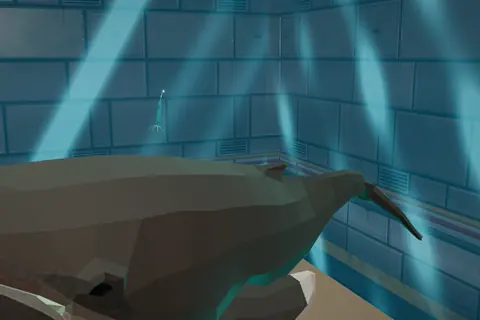
Choir Whale
Modelled on: Humpback whale (Megaptera novaeangliae) · Stays in the tank
Sings in a key the station's hull rings along with. The night staff call it the choir.
The real animal. Male humpback whales sing long songs that can last for hours. Whales in the same region sing the same song, and the song slowly changes from year to year.
On Pelagia. Long, grey and slow, with a lantern on a stalk over its head. When it sings, the station hums back.
In the breakout. Stays in its tank and stays calm. It is one of the few animals that never hurts anyone.
Home world: Pelagia. Lives in: Pelagia Deep. Size: 8.5 m long. In the zoo: 1, 9 stuns to stop one.
-
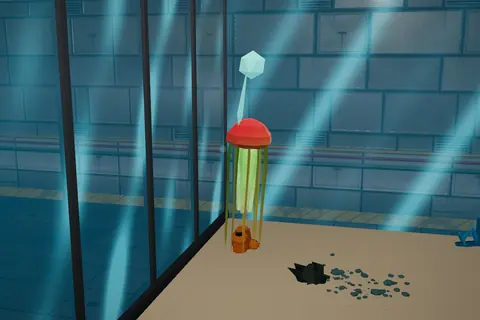
Bell Jelly
Modelled on: Jellyfish (Medusozoa) · Drifter
Drifts on tiny jets. Its sting is a slow, cold buzz.
The real animal. Jellyfish have no brain, no heart and no bones. They swim by squeezing their bells and they sting with tiny harpoon cells packed into their tentacles.
On Pelagia. A red bell over long green and gold tentacles, with a small lantern drifting above it like a buoy.
In the breakout. Leaves the tank and drifts after Seven at walking pace. A touch takes 9 shield points.
Home world: Pelagia. Lives in: Pelagia Deep. Size: 2.8 m tall, 0.9 m long. In the zoo: 8, one stun to stop one.
-
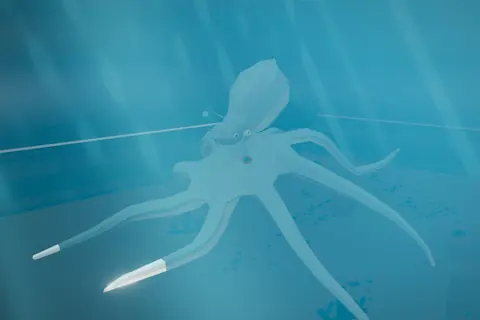
Reef Octopus
Modelled on: Octopus (Octopoda) · Hunter
Has escaped its tank eleven times. The tank now has a lock on the inside.
The real animal. Octopuses have no bones, so they can squeeze through any gap larger than their beak. Aquariums around the world have stories of octopuses escaping tanks at night.
On Pelagia. Pale and almost white, with a lantern on its head and red rings on its arms. It is much bigger than it looks when it is folded up.
In the breakout. Hunts Seven from about 30 metres away and keeps coming. A hit takes 12 points off a 100-point shield.
Home world: Pelagia. Lives in: Pelagia Deep. Size: 3.5 m long. In the zoo: 2, one stun to stop one.
-
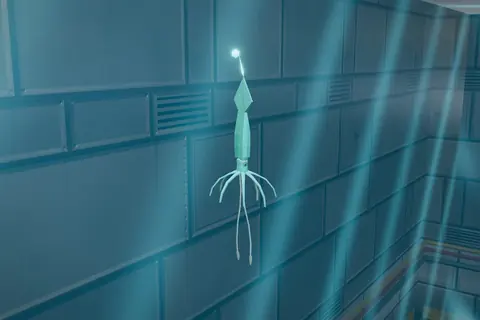
Spark Squid
Modelled on: Squid (Teuthida) · Stays in the tank
Flashes patterns on its skin. The patterns spell out nothing. Probably.
The real animal. Squid change colour in a fraction of a second using skin cells called chromatophores. Some kinds ripple patterns across their bodies to signal each other or to confuse a predator.
On Pelagia. Glassy sea green from fins to tentacles, with a glowing lure above the head. It can flash its whole body in a blink.
In the breakout. Stays in its tank when the barriers fail. It follows Seven along the glass instead, which is somehow worse.
Home world: Pelagia. Lives in: Pelagia Deep. Size: 2.7 m tall, 1.2 m long. In the zoo: 3, one stun to stop one.
-
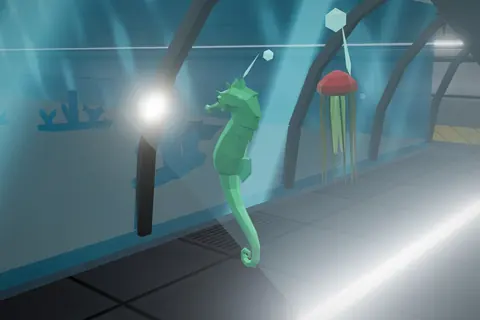
Glass Seahorse
Modelled on: Seahorse (Hippocampus) · Stays in the tank
The fathers carry the eggs. On Pelagia the fathers also carry a grudge.
The real animal. Seahorses are fish. The male has a pouch on his belly, and he carries the eggs until the babies hatch and swim out.
On Pelagia. Bright green and the size of a forearm. It hangs in the water near the tunnel and watches the visitors go by.
In the breakout. Stays in its tank and stays calm. It is one of the few animals that never hurts anyone.
Home world: Pelagia. Lives in: Pelagia Deep. Size: 0.6 m tall, 0.2 m long. In the zoo: 6, one stun to stop one.
-
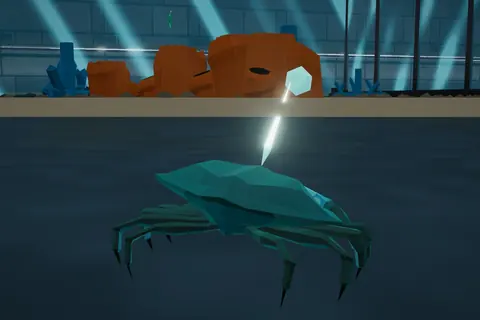
Lantern Crab
Modelled on: Crab (Brachyura) · Hunter
Walks sideways, glows forward.
The real animal. Most crabs walk sideways because their legs bend best that way. Crabs breathe with gills and must keep them wet, even when they come out onto land.
On Pelagia. A teal shell and a lantern on a thin stalk. It walks sideways and glows forward, as the keepers like to say.
In the breakout. Hunts Seven from about 30 metres away and keeps coming. A hit takes 7 points off a 100-point shield.
Home world: Pelagia. Lives in: Pelagia Deep. Size: 45 cm long. In the zoo: 6, one stun to stop one.
Hive Gallery · Vesp
-
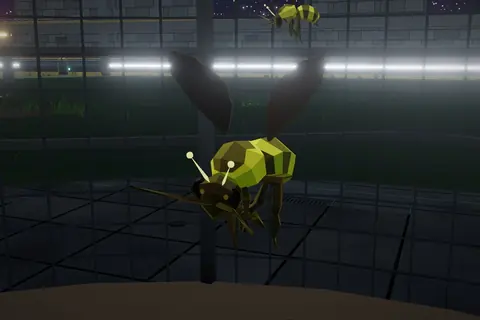
Vesp Drone
Modelled on: Honey bee and paper wasp (Apis mellifera / Polistes) · Diver
Each one is the size of a dinner plate. The hive hums one low note all night.
The real animal. Paper wasps build nests from chewed wood fibre. Honey bees share news of food with a waggle dance, and a hive can hold tens of thousands of bees.
On Vesp. Yellow and black, with long feelers, crystal clear wings and a body the size of a dinner plate. A gold glow sits in its back like a coal.
In the breakout. Circles overhead, then dives. Each hit takes 5 points off a 100-point shield.
Home world: Vesp. Lives in: Hive Gallery. Size: 0.3 m tall, 0.6 m long. In the zoo: 14, one stun to stop one.
Apex Hall · Rakh
-
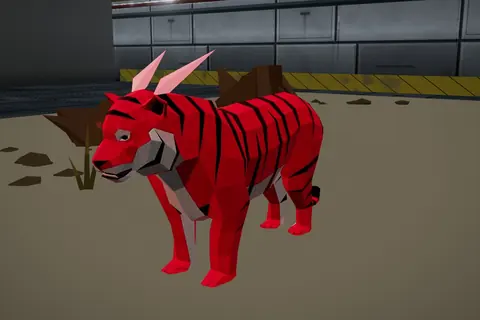
Rakh Tiger
Modelled on: Tiger (Panthera tigris) · Hunter
Red-striped and crowned with swept horns. It stalks the glass when the hall is empty.
The real animal. Tigers are the largest cats in the world. No two tigers have the same stripes, and the stripes are on the skin as well as the fur.
On Rakh. Rakh has two suns, and its tigers turned bright red with black stripes. Two swept crystal horns rise behind the ears.
In the breakout. Hunts Seven from about 30 metres away and keeps coming. A hit takes 22 points off a 100-point shield.
Home world: Rakh. Lives in: Apex Hall, Kaltor Highlands. Size: 1.3 m tall, 2.5 m long. In the zoo: 3, 2 stuns to stop one.
-
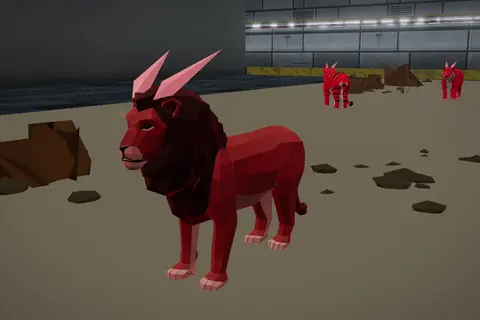
Crown Lion
Modelled on: Lion (male) (Panthera leo) · Hunter
Sleeps twenty hours a day. Spends the other four looking at you.
The real animal. Lions are the only cats that live in big groups, called prides. They rest for up to 20 hours a day. A male's roar can be heard about 8 kilometres away.
On Rakh. A deep red coat, a dark mane, and pale crystal horns that rise through the mane like a crown.
In the breakout. Hunts Seven from about 30 metres away and keeps coming. A hit takes 24 points off a 100-point shield.
Home world: Rakh. Lives in: Apex Hall, Ombra Savanna. Size: 1.5 m tall, 2.7 m long. In the zoo: 3, 2 stuns to stop one.
-
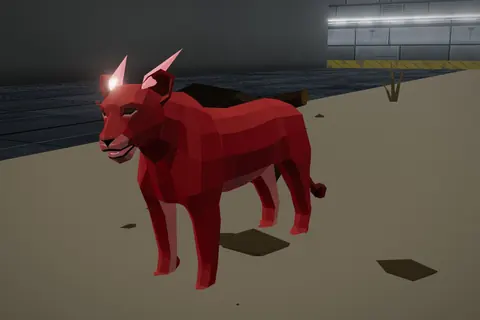
Crown Lioness
Modelled on: Lion (female) (Panthera leo) · Hunter
Does all of the hunting. Lets the lion take the credit. For now.
The real animal. In a pride, the lionesses do most of the hunting, often working together to surround their prey. The males guard the territory.
On Rakh. The same red coat as the lion, with smaller crystal horns. She is lean, low and always nearer than you think.
In the breakout. Hunts Seven from about 30 metres away and keeps coming. A hit takes 18 points off a 100-point shield.
Home world: Rakh. Lives in: Apex Hall, Ombra Savanna. Size: 1.1 m tall, 2.0 m long. In the zoo: 6, one stun to stop one.
Ombra Savanna · Ombra
-
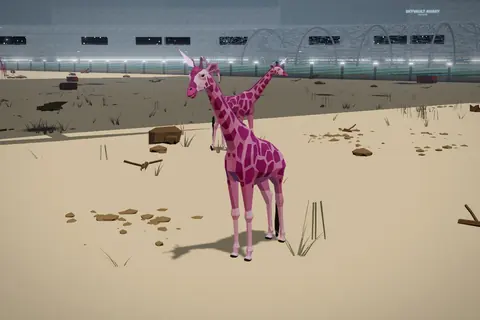
Spire Giraffe
Modelled on: Giraffe (Giraffa camelopardalis) · Charger
Two violet crystal horns. It can see over every wall in the zoo.
The real animal. Giraffes are the tallest land animals, up to about 5.5 metres. Their horn-like ossicones are made of bone covered in skin, and their neck has seven bones, the same number as ours.
On Ombra. Pink with violet patches, and a long pale crystal horn that rises from the forehead. On Ombra it can see over the tallest grass for kilometres.
In the breakout. Leaves Seven alone until he comes within about 13 metres. Then it charges. A hit takes 16 points off a 100-point shield.
Home world: Ombra. Lives in: Ombra Savanna. Size: 5.5 m tall, 4.6 m long. In the zoo: 5, 2 stuns to stop one.
-
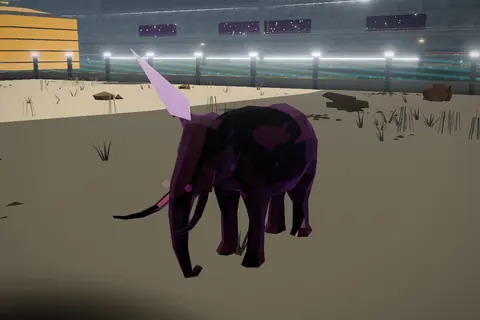
Thunder Elephant
Modelled on: African elephant (Loxodonta africana) · Charger
Remembers every keeper who ever forgot to feed it.
The real animal. Elephants have excellent long term memory. Old females lead their herds and remember where to find water in a drought, even after many years.
On Ombra. Purple black skin, ivory tusks and a pale crystal horn on top of the head. The ground shakes a little when it walks.
In the breakout. Leaves Seven alone until he comes within about 13 metres. Then it charges. A hit takes 30 points off a 100-point shield.
Home world: Ombra. Lives in: Ombra Savanna. Size: 3.1 m tall, 4.9 m long. In the zoo: 3, 3 stuns to stop one.
-
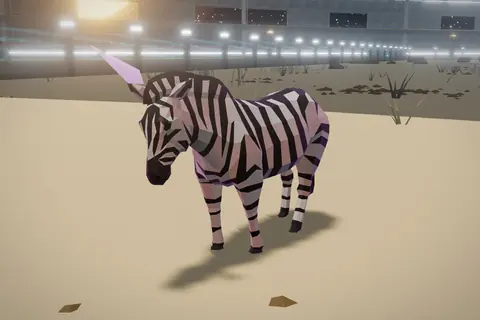
Prism Zebra
Modelled on: Plains zebra (Equus quagga) · Charger
The stripes on Ombra are purple and black. Nobody knows why. The zebras know why.
The real animal. Every zebra has its own stripe pattern. Scientists still argue about what the stripes are for. A leading idea is that they confuse biting flies.
On Ombra. Stripes in dark violet and white, and a single crystal horn. From a distance a herd looks like a flicker on the sand.
In the breakout. Leaves Seven alone until he comes within about 13 metres. Then it charges. A hit takes 12 points off a 100-point shield.
Home world: Ombra. Lives in: Ombra Savanna. Size: 1.8 m tall, 2.5 m long. In the zoo: 8, one stun to stop one.
-
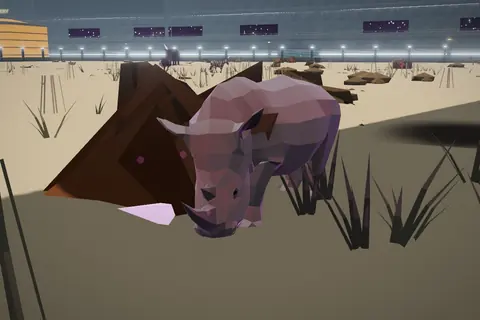
Anvil Rhino
Modelled on: Rhinoceros (Rhinocerotidae) · Charger
Its horn grows a little every day, like a fingernail made of stone.
The real animal. A rhino's horn is made of keratin, the same material as your fingernails, and it keeps growing for the animal's whole life.
On Ombra. Lilac grey hide and a pale horn on the nose that keeps growing. Ombra rhinos are less armour and more boulder.
In the breakout. Leaves Seven alone until he comes within about 13 metres. Then it charges. A hit takes 28 points off a 100-point shield.
Home world: Ombra. Lives in: Ombra Savanna. Size: 1.7 m tall, 3.4 m long. In the zoo: 2, 3 stuns to stop one.
-
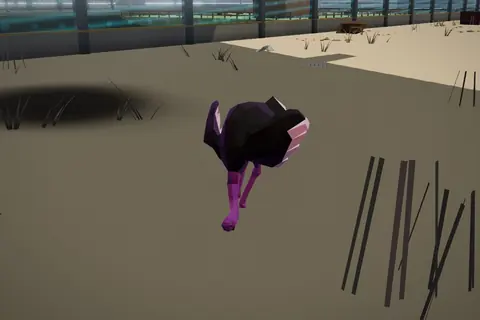
Strider Ostrich
Modelled on: Ostrich (Struthio camelus) · Charger
The fastest runner in the grasslands. It can keep pace with a cart.
The real animal. The ostrich is the largest bird alive and cannot fly. It can run at about 70 kilometres an hour, faster than any other bird on land.
On Ombra. Violet and black plumage with pale pink wing feathers, and legs in a bright magenta. It is still the fastest thing in the grasslands.
In the breakout. Leaves Seven alone until he comes within about 13 metres. Then it charges. A hit takes 12 points off a 100-point shield.
Home world: Ombra. Lives in: Ombra Savanna. Size: 2.5 m tall, 1.9 m long. In the zoo: 4, one stun to stop one.
-
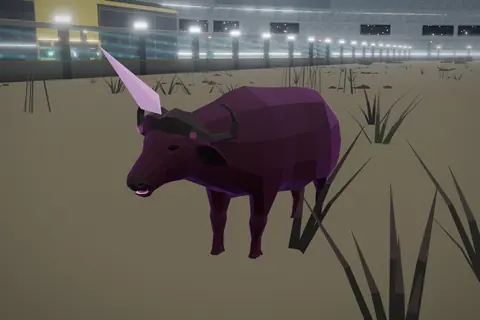
Dusk Buffalo
Modelled on: Cape buffalo (Syncerus caffer) · Charger
Moves as one herd and turns as one herd. Do not be where the herd turns.
The real animal. Cape buffalo live in large herds and protect each other. When a lion attacks, the herd may turn and charge it together.
On Ombra. Deep purple hide, curled horns and one more horn, a crystal spike that points straight ahead.
In the breakout. Leaves Seven alone until he comes within about 13 metres. Then it charges. A hit takes 22 points off a 100-point shield.
Home world: Ombra. Lives in: Ombra Savanna. Size: 1.4 m tall, 2.4 m long. In the zoo: 4, 2 stuns to stop one.
-
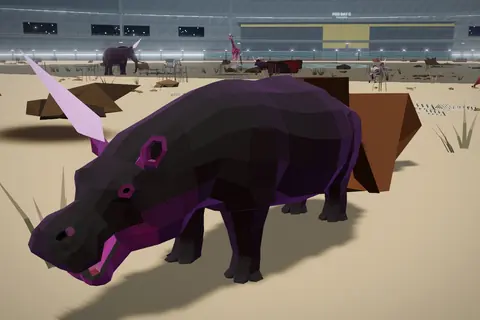
Mire Hippo
Modelled on: Hippopotamus (Hippopotamus amphibius) · Charger
Looks lazy. Is not lazy.
The real animal. Hippos spend their days in water and graze on land at night. They look slow but can run fast on land for short distances, and they are among the most dangerous animals in Africa.
On Ombra. Purple black and huge, with a crystal horn above its eyes and a pink mouth it opens very wide.
In the breakout. Leaves Seven alone until he comes within about 13 metres. Then it charges. A hit takes 26 points off a 100-point shield.
Home world: Ombra. Lives in: Ombra Savanna. Size: 4.4 m long. In the zoo: 2, 3 stuns to stop one.
Floe Shelf · Glacia
-
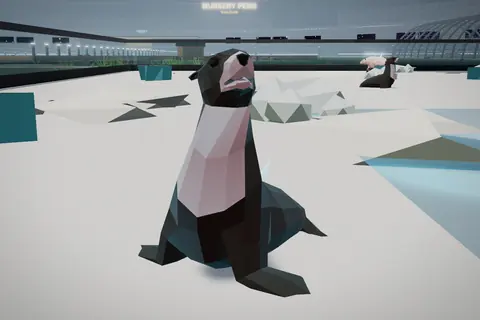
Rime Seal
Modelled on: Harbour seal (Phoca vitulina) · Charger
Barks at the ice. The ice does not answer.
The real animal. Seals keep warm in icy water with a thick layer of blubber. On land they move like caterpillars, but in the water they are fast and graceful.
On Glacia. Dark grey above and pale below, with a few ice crystals along the spine. It is never far from the water.
In the breakout. Leaves Seven alone until he comes within about 13 metres. Then it charges. A hit takes 8 points off a 100-point shield.
Home world: Glacia. Lives in: Floe Shelf. Size: 1.3 m tall, 1.7 m long. In the zoo: 5, one stun to stop one.
-
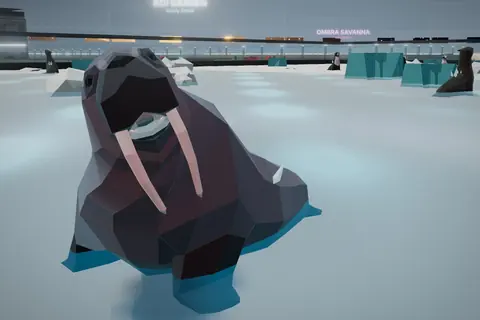
Frost Walrus
Modelled on: Walrus (Odobenus rosmarus) · Charger
Uses its tusks to haul itself onto the floe. And to win arguments.
The real animal. A walrus really does use its tusks to pull itself out of the water onto the ice. Males also use them to show off and settle arguments.
On Glacia. A dark plum hide and long pale tusks. Glacia walruses use them to cut holes in the ice from below.
In the breakout. Leaves Seven alone until he comes within about 13 metres. Then it charges. A hit takes 18 points off a 100-point shield.
Home world: Glacia. Lives in: Floe Shelf. Size: 2.4 m long. In the zoo: 2, 2 stuns to stop one.
-
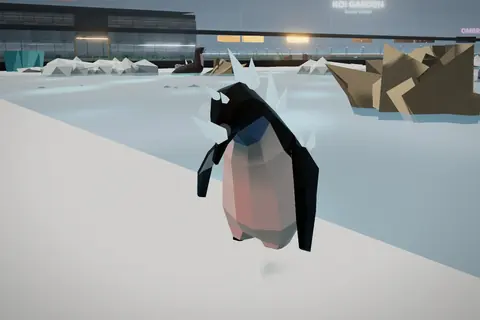
Shard Penguin
Modelled on: Emperor penguin (Aptenodytes forsteri) · Skittish
Grows a crown of ice crystals every winter. It is always winter on Glacia.
The real animal. Emperor penguins breed in the Antarctic winter. Males huddle together in the dark and cold for weeks, each keeping an egg warm on his feet.
On Glacia. Black and white with a small crown of ice crystals on its head. The crown grows back every winter, and it is always winter on Glacia.
In the breakout. Runs away if Seven comes within about 8 metres. It never attacks, though a cornered one is still in the way.
Home world: Glacia. Lives in: Floe Shelf. Size: 1.1 m tall, 0.7 m long. In the zoo: 10, one stun to stop one.
-
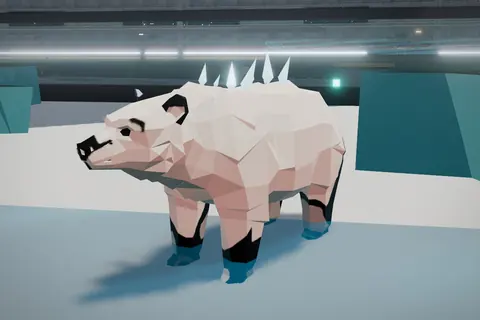
Glacier Bear
Modelled on: Polar bear (Ursus maritimus) · Hunter
Its fur is clear, not white. Under the lights it looks like frost with teeth.
The real animal. A polar bear's fur is not white. Each hair is clear and hollow, and it looks white because it scatters light. The skin underneath is black.
On Glacia. Its fur is clear and looks pale pink under the lights. A ridge of white ice spines runs down its back and shoulders.
In the breakout. Hunts Seven from about 30 metres away and keeps coming. A hit takes 26 points off a 100-point shield.
Home world: Glacia. Lives in: Floe Shelf. Size: 1.3 m tall, 2.4 m long. In the zoo: 2, 2 stuns to stop one.
Kaltor Highlands · Kaltor
-
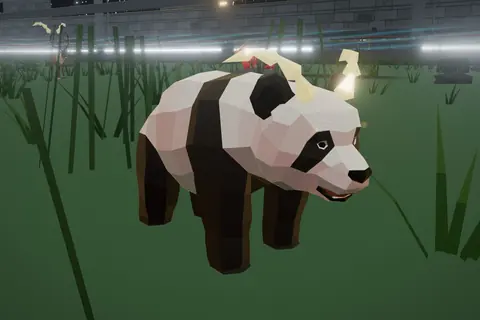
Lantern Panda
Modelled on: Giant panda (Ailuropoda melanoleuca) · Charger
Eats bamboo for fourteen hours a day. The other ten are for planning.
The real animal. Giant pandas eat bamboo for up to 14 hours a day, because bamboo has very little nutrition. A wrist bone works like an extra thumb for holding stalks.
On Kaltor. Black and white, with a pair of curled cream horns, like a ram's, over the ears. It still only wants bamboo.
In the breakout. Leaves Seven alone until he comes within about 13 metres. Then it charges. A hit takes 14 points off a 100-point shield.
Home world: Kaltor. Lives in: Kaltor Highlands. Size: 1.0 m tall, 1.6 m long. In the zoo: 3, 2 stuns to stop one.
-
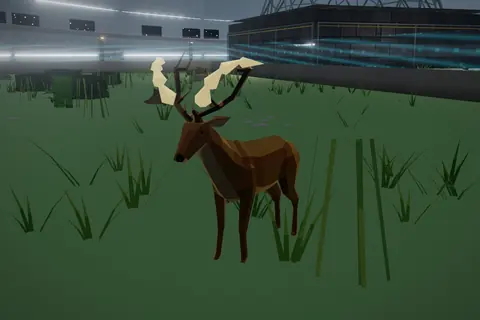
Brass Stag
Modelled on: Red deer (Cervus elaphus) · Charger
Brass-coloured antlers that ring like bells when it shakes its head.
The real animal. A stag grows a new set of antlers every year and drops them in late winter. Antlers are among the fastest growing bone in the animal world.
On Kaltor. A brown stag with huge cream antlers that branch into flat brass plates. They ring when it shakes its head.
In the breakout. Leaves Seven alone until he comes within about 13 metres. Then it charges. A hit takes 12 points off a 100-point shield.
Home world: Kaltor. Lives in: Kaltor Highlands. Size: 2.4 m tall, 2.2 m long. In the zoo: 4, one stun to stop one.
-
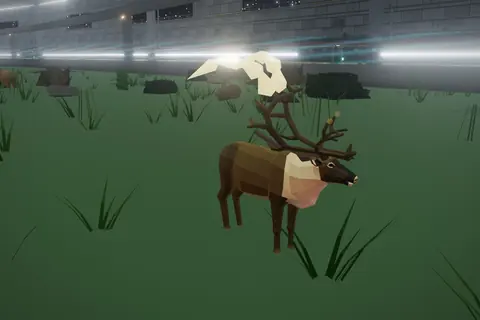
Kaltor Elk
Modelled on: Reindeer (Rangifer tarandus) · Charger
Migrates eight hundred kilometres on Kaltor. Here it walks in a very large circle.
The real animal. Some reindeer herds walk thousands of kilometres a year, one of the longest land migrations on Earth. Their knees make a clicking sound as they walk, which may help the herd stay together.
On Kaltor. Brown with a pale chest and two sets of horns: dark antlers like an Earth reindeer and curled cream horns above them.
In the breakout. Leaves Seven alone until he comes within about 13 metres. Then it charges. A hit takes 14 points off a 100-point shield.
Home world: Kaltor. Lives in: Kaltor Highlands. Size: 2.0 m tall, 2.1 m long. In the zoo: 3, one stun to stop one.
-
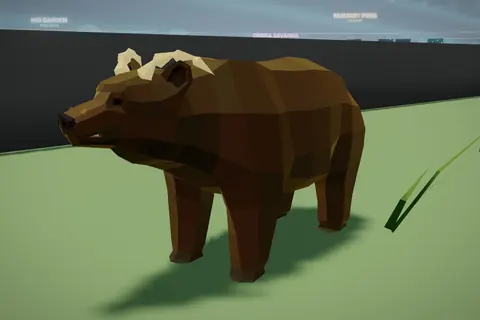
Ridge Bear
Modelled on: Brown bear (Ursus arctos) · Hunter
Fishes in the stream with one paw. Keeps the other free.
The real animal. Brown bears gather at rivers when salmon run upstream. They stand in the shallows and catch fish in their jaws or pin them with a paw.
On Kaltor. A big brown bear with curled cream horns over the ears. On Kaltor the bears fish the terraced streams.
In the breakout. Hunts Seven from about 30 metres away and keeps coming. A hit takes 26 points off a 100-point shield.
Home world: Kaltor. Lives in: Kaltor Highlands. Size: 1.3 m tall, 2.4 m long. In the zoo: 2, 2 stuns to stop one.
-
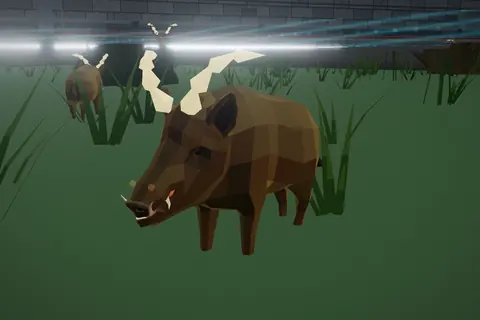
Tusk Boar
Modelled on: Wild boar (Sus scrofa) · Charger
Tusks like curved ram horns and a short temper. The temper is not curved.
The real animal. Wild boars are the wild ancestors of farm pigs. Males have sharp tusks that grow from their lower jaw and stay sharp by rubbing against the upper ones.
On Kaltor. A bristly brown boar with long cream tusks and curled horns like a ram's. Nobody on Kaltor argues with it.
In the breakout. Leaves Seven alone until he comes within about 13 metres. Then it charges. A hit takes 12 points off a 100-point shield.
Home world: Kaltor. Lives in: Kaltor Highlands. Size: 0.9 m tall, 1.5 m long. In the zoo: 4, one stun to stop one.
Skyvault Aviary · Aerith
-
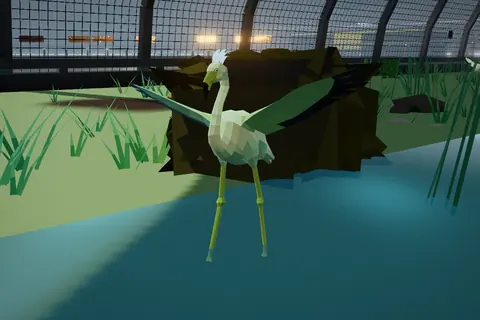
Sunset Flamingo
Modelled on: Flamingo (Phoenicopterus) · Skittish
Pink on Earth, green on Aerith. Diet, mostly.
The real animal. Flamingos are pink because of what they eat. Pigments in shrimp and algae colour their feathers. Without that food, they slowly fade to white.
On Aerith. Pale green instead of pink, because Aerith shrimp are green. It stands on one long leg in the aviary stream.
In the breakout. Runs away if Seven comes within about 8 metres. It never attacks, though a cornered one is still in the way.
Home world: Aerith. Lives in: Skyvault Aviary. Size: 1.4 m tall, 0.9 m long. In the zoo: 8, one stun to stop one.
-
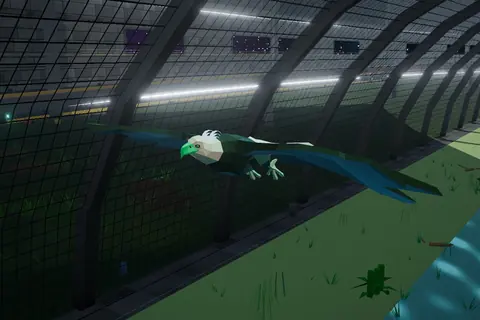
Storm Eagle
Modelled on: Golden eagle (Aquila chrysaetos) · Diver
Rides the air currents of the vault without a single wingbeat.
The real animal. Eagles soar on rising air and can glide for long stretches without flapping. Their eyesight is several times sharper than ours.
On Aerith. Blue and teal wings, a white head and a bright green beak. It rides the air of the vault for hours without a flap.
In the breakout. Circles overhead, then dives. Each hit takes 12 points off a 100-point shield.
Home world: Aerith. Lives in: Skyvault Aviary. Size: 0.9 m tall, 1.0 m long. In the zoo: 3, one stun to stop one.
-
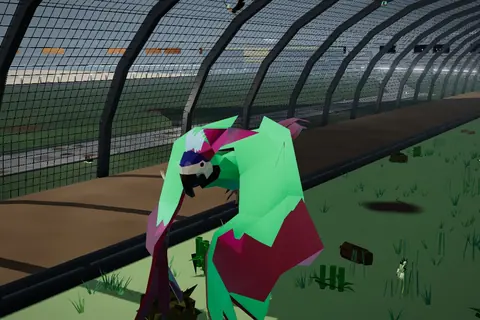
Signal Parrot
Modelled on: Parrot (Psittaciformes) · Skittish
Has learned the alarm tone. Uses it as a joke.
The real animal. Parrots copy sounds they hear often. Pet parrots are known for copying doorbells, phone ringtones and smoke alarms.
On Aerith. Green and magenta with a striped crest. It has learned the station alarm and uses it as a joke.
In the breakout. Runs away if Seven comes within about 8 metres. It never attacks, though a cornered one is still in the way.
Home world: Aerith. Lives in: Skyvault Aviary. Size: 0.4 m tall, 0.6 m long. In the zoo: 8, one stun to stop one.
-
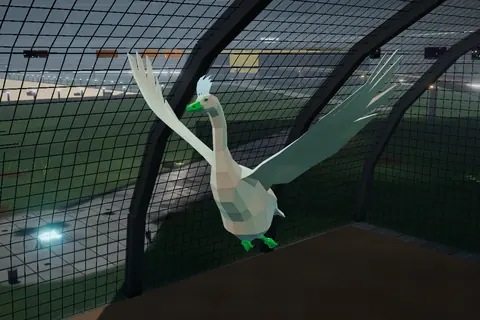
Honk Goose
Modelled on: Domestic goose (Anser anser domesticus) · Diver
The aviary's security system. Very loud. Very effective.
The real animal. Geese honk loudly at strangers. For thousands of years farmers have kept them as guards, and some still do.
On Aerith. A white goose with a green beak and green feet. It honks at everything, including the other geese.
In the breakout. Takes off at Seven from about 13 metres, then circles and dives. Each hit takes 6 points off a 100-point shield.
Home world: Aerith. Lives in: Skyvault Aviary. Size: 0.9 m tall, 0.7 m long. In the zoo: 6, one stun to stop one.
-
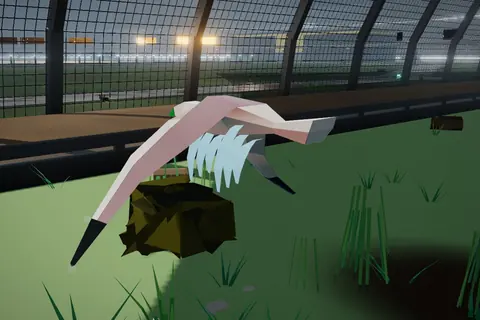
Comet Gull
Modelled on: Herring gull (Larus argentatus) · Diver
Every space station has gulls. Nobody knows how they get aboard.
The real animal. Gulls are clever and bold. They follow ships, raid picnics and have learned to live in cities far from the sea.
On Aerith. Pale pink and white, with white crystal plumes on its tail. It looks exactly as pleased with itself as a gull on Earth.
In the breakout. Circles overhead, then dives. Each hit takes 4 points off a 100-point shield.
Home world: Aerith. Lives in: Skyvault Aviary. Size: 1.3 m long. In the zoo: 6, one stun to stop one.
Nursery Pens · Earth
-
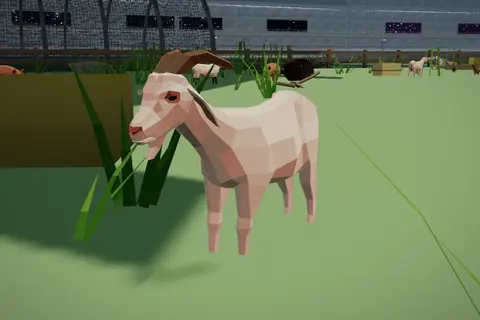
Earth Goat
Modelled on: Domestic goat (Capra hircus) · Charger
Climbs anything. Has climbed the keepers.
The real animal. Goats are excellent climbers with split hooves that grip rock. Some wild goats climb nearly vertical dam walls to lick salt.
On Earth. An ordinary white Earth goat with curved horns. Visitors from other worlds find it very strange.
In the breakout. Leaves Seven alone until he comes within about 13 metres. Then it charges. A hit takes 9 points off a 100-point shield.
Home world: Earth. Lives in: Nursery Pens. Size: 1.0 m tall, 1.4 m long. In the zoo: 4, one stun to stop one.
-
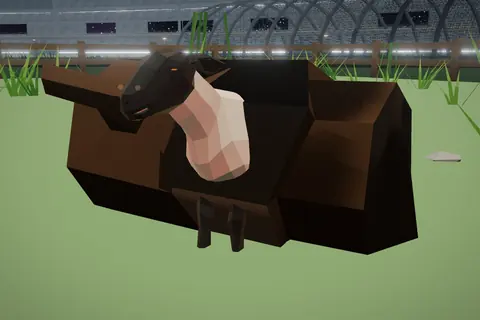
Earth Sheep
Modelled on: Domestic sheep (Ovis aries) · Charger
Count them before bed. Then count them again.
The real animal. Sheep can recognise the faces of dozens of other sheep, and of people, and remember them for years.
On Earth. An Earth sheep with dark wool and a pale face. It has not changed at all, which is the point of the Nursery Pens.
In the breakout. Leaves Seven alone until he comes within about 13 metres. Then it charges. A hit takes 6 points off a 100-point shield.
Home world: Earth. Lives in: Nursery Pens. Size: 0.9 m tall, 1.2 m long. In the zoo: 5, one stun to stop one.
-
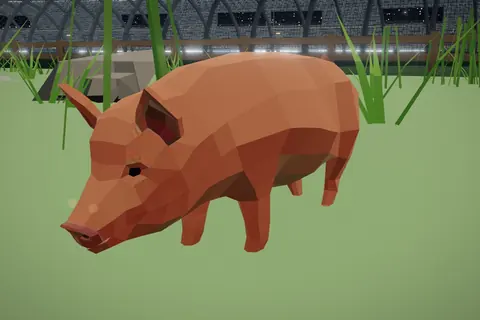
Earth Pig
Modelled on: Domestic pig (Sus scrofa domesticus) · Charger
Smarter than the dog it is not, and it knows it.
The real animal. Pigs are among the smartest farm animals. In studies they learn mazes, use mirrors to find hidden food and pick up tricks about as fast as dogs do.
On Earth. A pink Earth pig. No horns, no lanterns, no spines. Just a pig, and quite a smart one.
In the breakout. Leaves Seven alone until he comes within about 13 metres. Then it charges. A hit takes 8 points off a 100-point shield.
Home world: Earth. Lives in: Nursery Pens. Size: 0.7 m tall, 1.3 m long. In the zoo: 3, one stun to stop one.
-
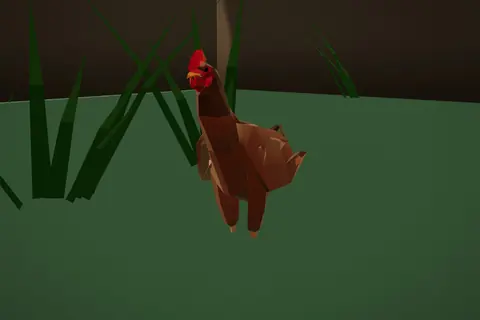
Earth Hen
Modelled on: Chicken (Gallus gallus domesticus) · Swarm
Descended from dinosaurs. Remembers.
The real animal. Birds are living dinosaurs, and the chicken is a close cousin of the theropods. Scraps of protein recovered from a Tyrannosaurus fossil looked most like chicken protein.
On Earth. A brown Earth hen with a red comb. It was never sent anywhere and has nothing to prove.
In the breakout. Hunts in numbers. It notices Seven from about 30 metres and does not care how many others are already chasing him. Each bite takes 3 shield points.
Home world: Earth. Lives in: Nursery Pens. Size: 0.7 m tall, 0.5 m long. In the zoo: 8, one stun to stop one.
-
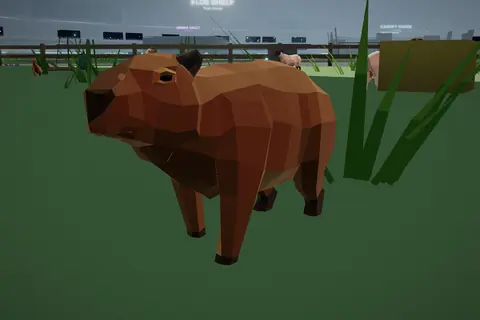
Earth Capybara
Modelled on: Capybara (Hydrochoerus hydrochaeris) · Harmless
Every other animal in the zoo likes the capybara. That is its whole job.
The real animal. The capybara is the largest rodent in the world. It is famously calm, and birds, monkeys and other animals often sit on it or rest beside it.
On Earth. A plain brown Earth capybara, calm as ever. Every animal in the zoo seems to like it.
In the breakout. Never attacks. In the breakout it wanders the dark zoo like nothing happened.
Home world: Earth. Lives in: Nursery Pens. Size: 0.7 m tall, 1.1 m long. In the zoo: 3, one stun to stop one.
A to Z
- Abyss Orca
- Anvil Rhino
- Bell Jelly
- Brass Stag
- Choir Whale
- Comet Gull
- Crown Lion
- Crown Lioness
- Dune Vulture
- Dusk Buffalo
- Earth Capybara
- Earth Goat
- Earth Hen
- Earth Pig
- Earth Sheep
- Ember Toucan
- Frost Walrus
- Glacier Bear
- Glass Seahorse
- Glasshump Camel
- Gloam Roach
- Hollow Spider
- Honk Goose
- Kaltor Elk
- Lantern Chimp
- Lantern Crab
- Lantern Panda
- Lumen Shark
- Mire Hippo
- Moss Tapir
- Prism Zebra
- Rakh Tiger
- Reedjaw Crocodile
- Reef Octopus
- Ridge Bear
- Rime Seal
- Sandsifter
- Sentry Meerkat
- Shard Penguin
- Signal Parrot
- Spark Squid
- Spire Giraffe
- Stoneback Gorilla
- Storm Eagle
- Strider Ostrich
- Sunset Flamingo
- Thunder Elephant
- Tide Dolphin
- Tusk Boar
- Umbral Wolf
- Vault Rat
- Vesp Drone
- Vine Serpent