This page mirrors my original Substack article inside EricRhea.com. The original remains available at advisoryhour.substack.com.
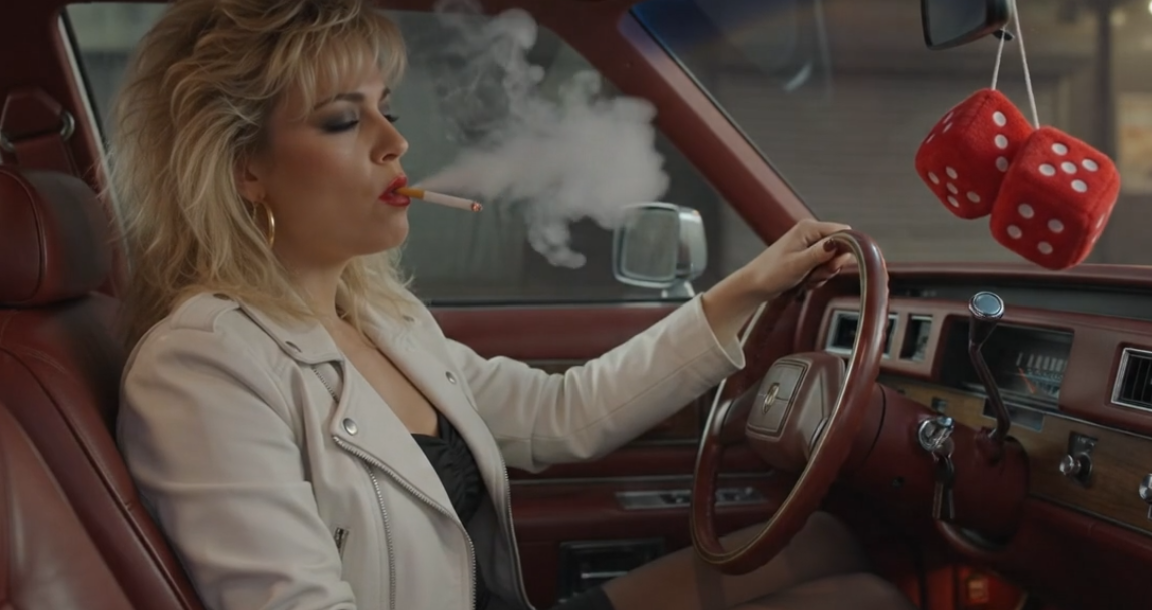
John’s World 1986
Or should that be John’s 1986 World? I’m not sure. I still need to come up with a better name than “John’s World”. What you’ll learn about in this article is how
Why aren’t you using Seedance2?
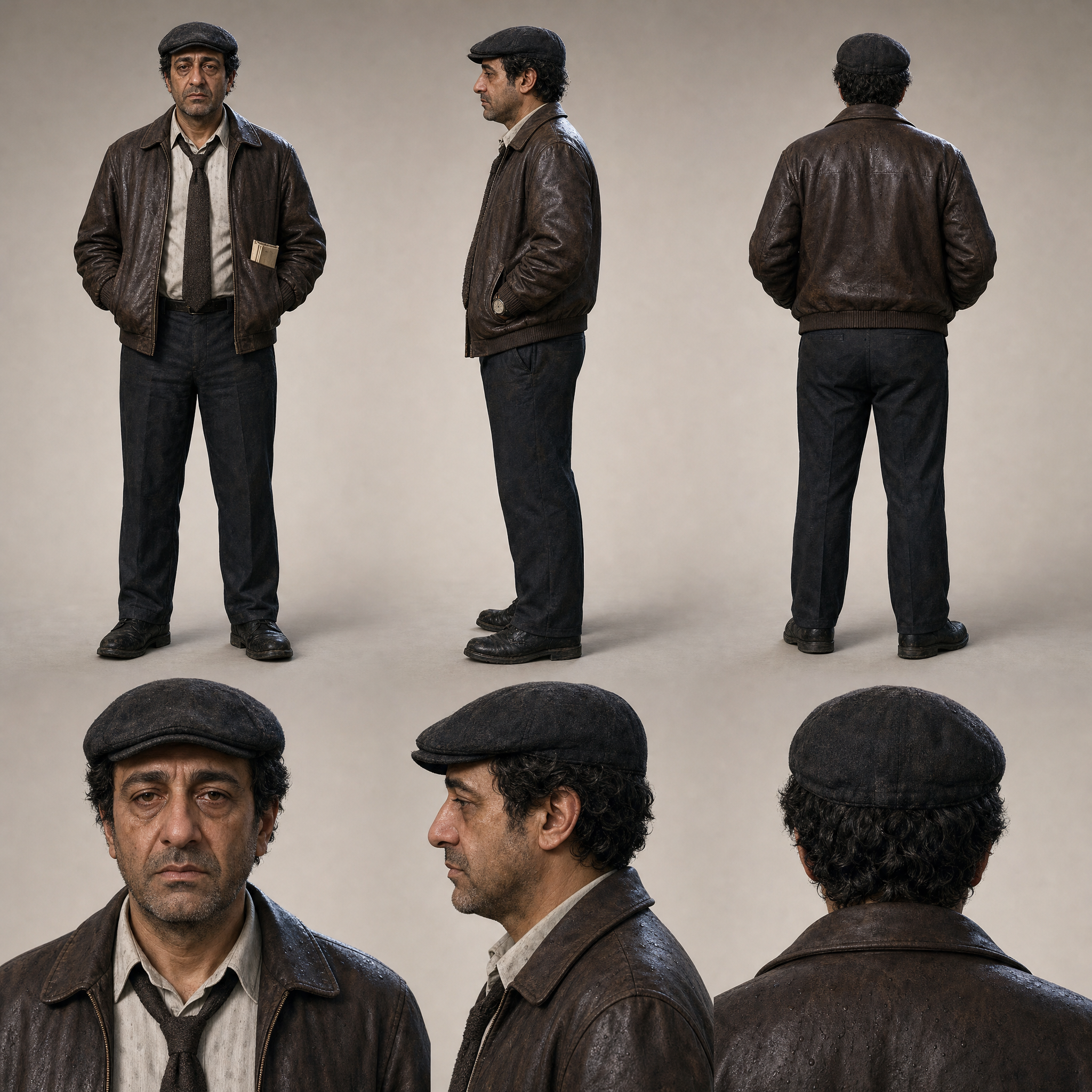
Many online creators are using Seedance. It’s a great video model. Except: the unfortunate thing about seedance2 is that on replicate all the characters created for John’s world are blocked. I researched the error code and learned that Seedance has a content filter that rejects characters that look too real. The detection system used by Seedance doesn’t detect the synthID generation and considers the characters as “too real”.
“Reference images contain recognizable real people — the model’s face/IP filters block uploads of real human faces or copyrighted characters”
This is pretty amazing considering these characters were all generated from an image model without reference to a real person.
Kling video
The video of John’s World is largely driven (harhar) by Kling right now. The harness handles the camera and placement work and the physics and video is handed over to Kling.
Here’s an example of the video Kling produces.
The first time I saw this I laughed. It was just so over the top.
It reminded me of comedy movies from the 80s and 90s. The movie Airplane stirs in the mind watching this video. It’s just ridiculous in so many ways.
In Kling you can see a complete breakdown of place, physics, and more. The car turns into a bumpcar like one would see in an amusement park. The entire thing is preposterous and just needs a laugh track.
The character opening the door for herself and the way the next few seconds of film plays out just makes me chuckle every time I review the video for clues in how I could solve the physics with clever camera work or prompting.
The scene has impressive moments-the interior/exterior shot changes work surprisingly well. Just because there’s positives doesn’t mean it works. There’s a very clear challenge with the vehicle. The scene lighting, color and ambience is vivid and adheres well to the style. Although… there’s a lot of strange things in the world-looks like everyone owns the same car!
Are these video model problems fixable? That’s the question I don’t have a clear answer to. Part of me thinks that yes, but it’ll be a new, smarter model. That’s why I was excited by Google Omni announced during Google I/O.
Google Omni
Google Omni released and has a killer feature: you can just upload a map of a location and Omni is smart enough to use that map and build a video. Can we appreciate how insane that is?
I was pretty excited by this. So I snipped from Google Map’s the following map with a crudely drawn route in order to see what happens.
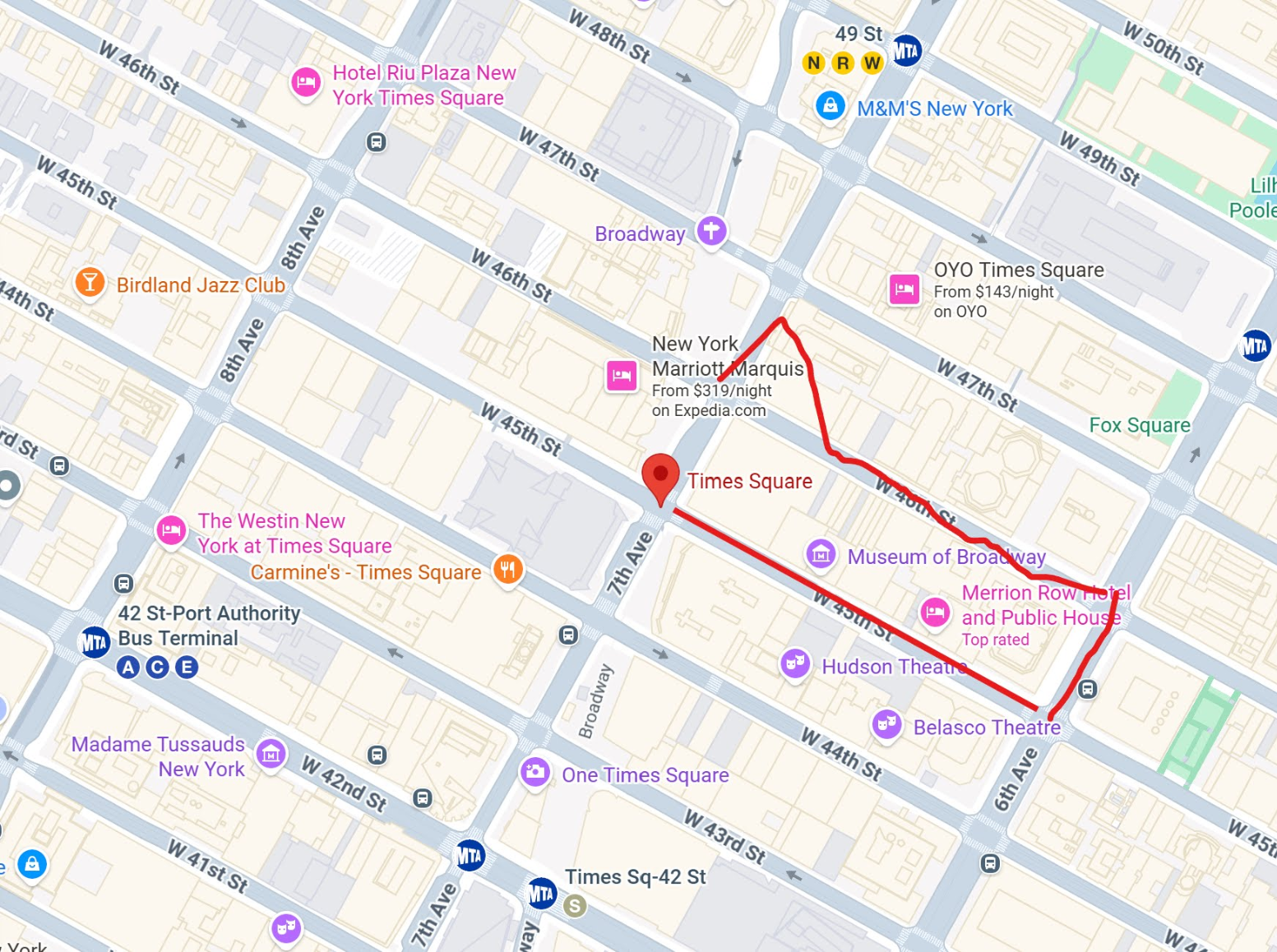
There are some things that Google Omni got right, that the other video models I’ve tried simply haven’t. There are little details, such as the cars and costume, the types of signage and so on that do very well. However, there are still strange effects-and even some audio.
Omni’s Insert Coin to Continue
The cost to do this one clip in the Omni video was 60 credits.
My account would be able to do about 10 videos with Google Flow using the Omni model. This prices me out of experimentation, but I can get a sense of where this technology is heading. I prefer my custom rig over the generic solution in some ways: the consistency and lighting is better, and the camera cuts are better handled over Omni’s more “I’ll just do it” approach. The physics are better, as are all the details i’m struggling with getting out of Kling.
What I’m seeing is that the Bitter Lesson eventually applies to video. A smarter video “omni” model may very well do away with much of the custom logic in the world harness, and yet when I consider some details like the interior first person shots and more, I wonder about the limitations of The Bitter Lesson.
What’s up next are more video runs back on Kling. Just maybe there’s a mechanism to guide Kling towards a better, specific frame generations. Despite these challenges, I do know this. The world of 1986 is clearly a place. And tinkering with virtual worlds? That’s the best outcome.
Thanks for reading! Subscribe for free to receive new posts and support my work.