This page mirrors my original Substack article inside EricRhea.com. The original remains available at advisoryhour.substack.com.
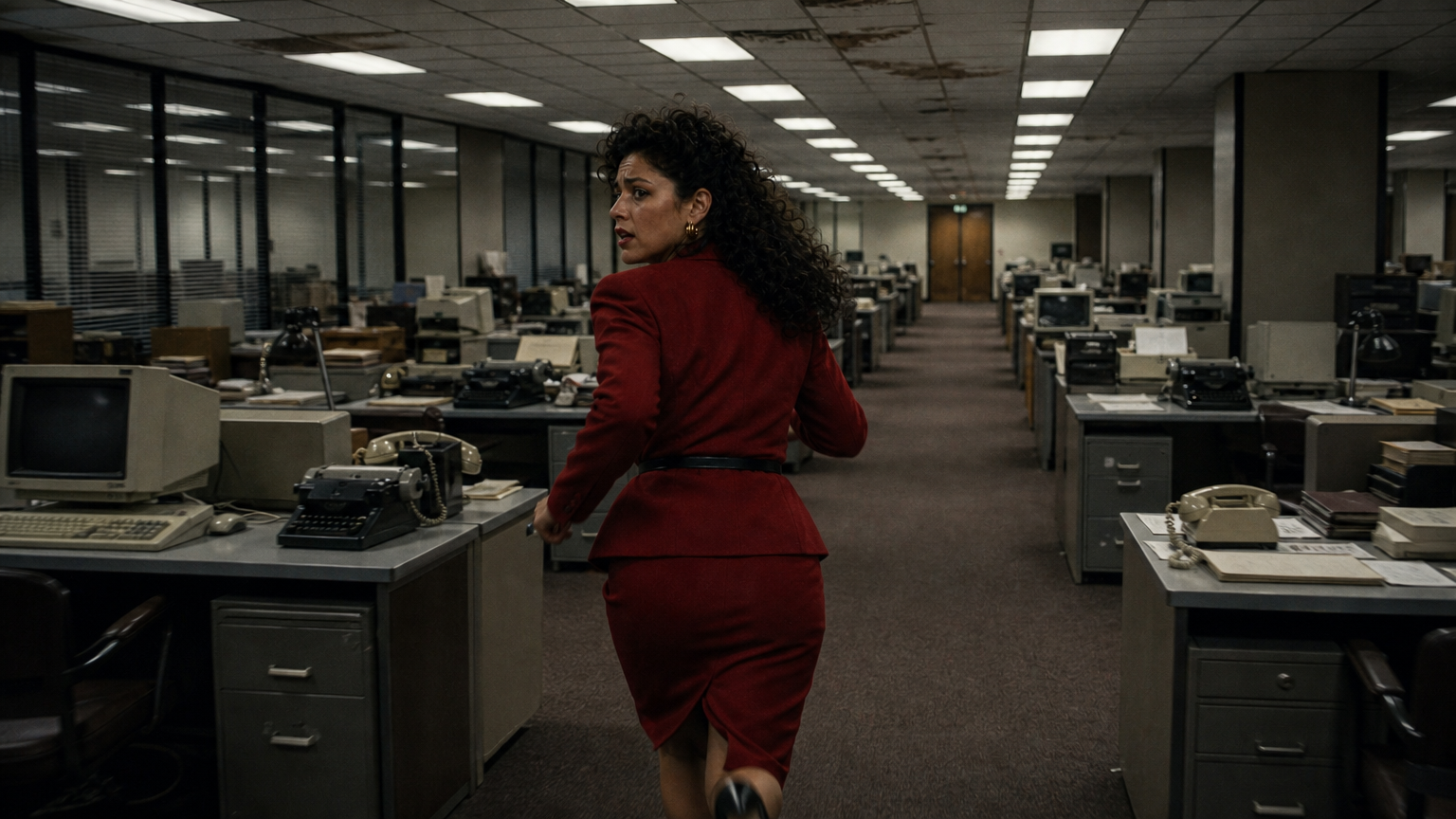
You know the insight that happens after midnight.
I had the kind of brilliant idea that only happens at 1 AM in the morning. “What if the main character is having a nightmare, and running in a liminal space of horror?” Only it’s a 1986 officeplex. So the character is not just trapped in an office in the nightmare: it’s 1986, and there’s killer clowns. No red balloons, but a woman in red. She’s the balloon, in a sense. She can pop, as a hallucinated character in video who thinks she’s real. But then, aren’t we all?
The goal for this run was to prove one thing: did I fix doors?
I mean, look. You could spin this that I conjured an entire virtual world filled with evil clowns and an inescapable office complex filled with doors just to test the physics of doors in virtual world scenes. After writing this out I feel like I should go on a long walk. Should I start tagging some of these articles as #confessional?
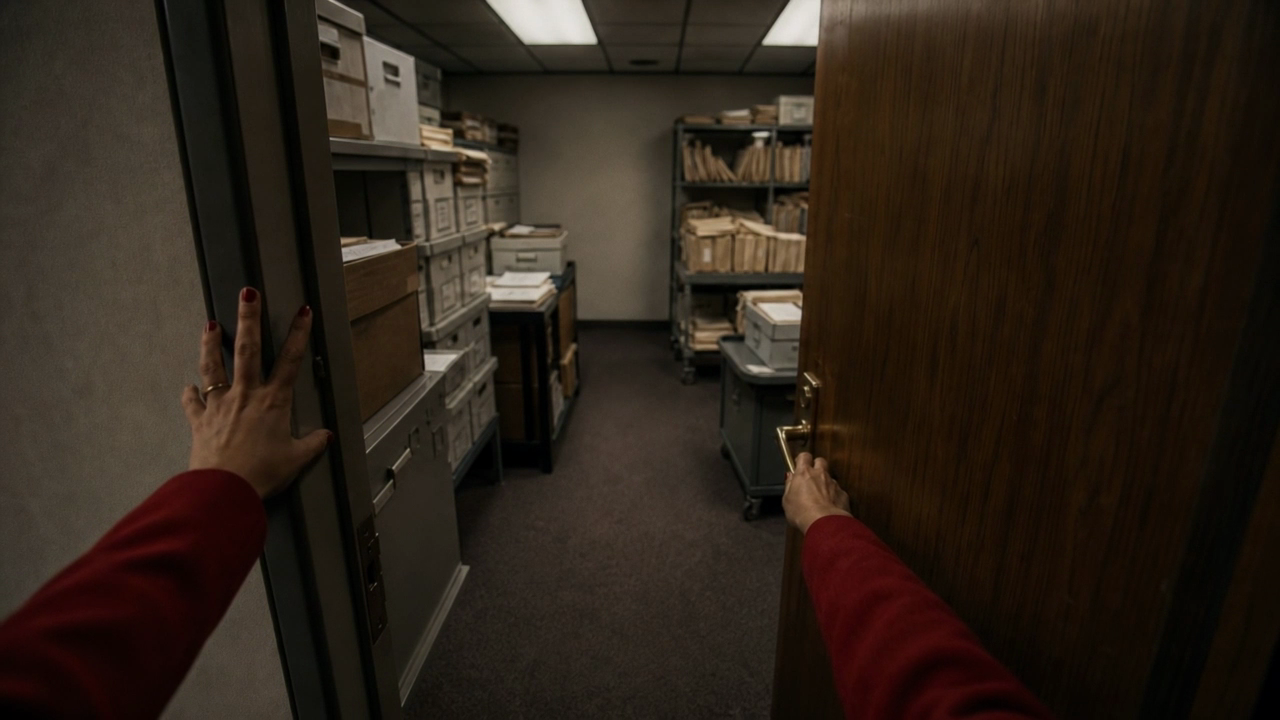
The mechanics are doors are tricky-not to us, but to a model. I suspect a video model doesn’t default to our reality’s physics of understanding. It seems to sample from what I’ve come to understand is the manifold-a term I give to the fact that all AI and human intelligence seems to draw from a shared source of possibility. After all, you can run video models on consumer grade hardware that create scenes that look like real reality and there just aren’t enough people asking the philosophical questions about why that’s possible. I conclude it only makes sense if there’s a manifold from which we derive these projections, but I’m still thinking about it.
Back to the killer clowns and doors.
It’s not just that I wanted killer clowns and doors: no, there’s one trick in a horror movie to really amp up the jumpscare level. Mirrors! What if opening a door revealed a mirror, and the mirror revealed the clown?
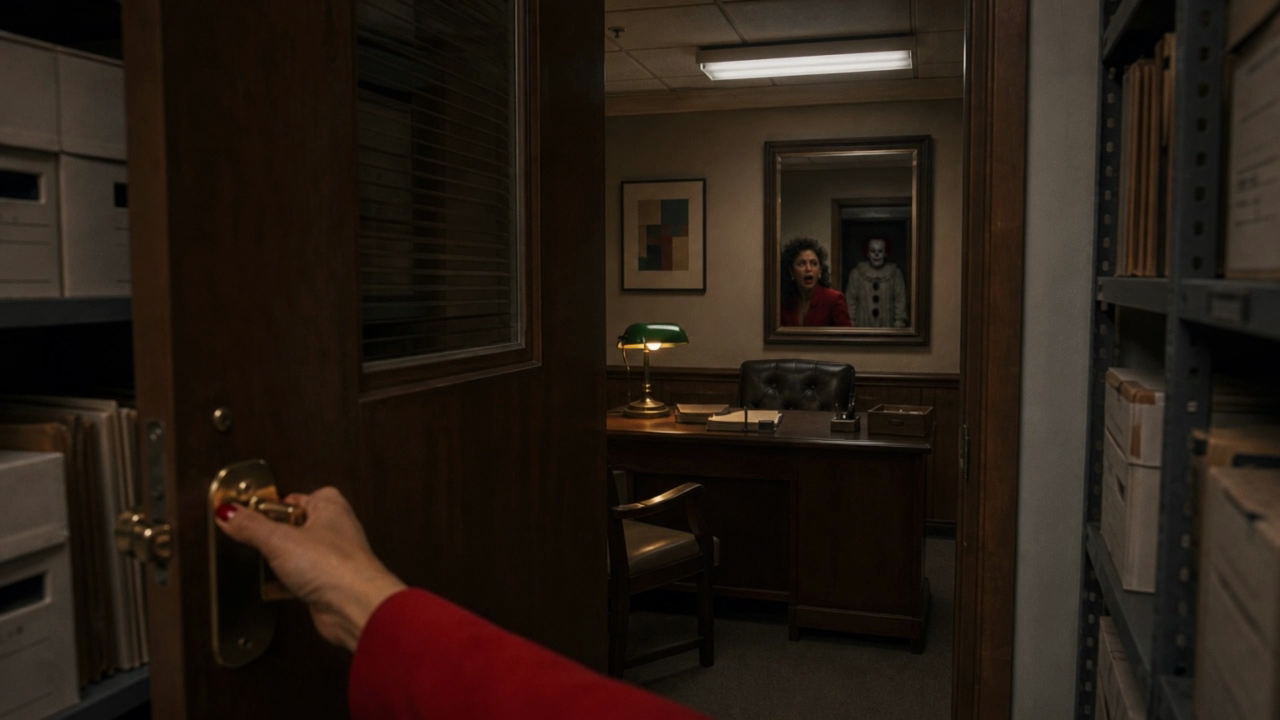
The image above gives me shivers. It’s unsettling. The way the door is being held isn’t… ideal. I trust we’ll see this worked out in the movie.
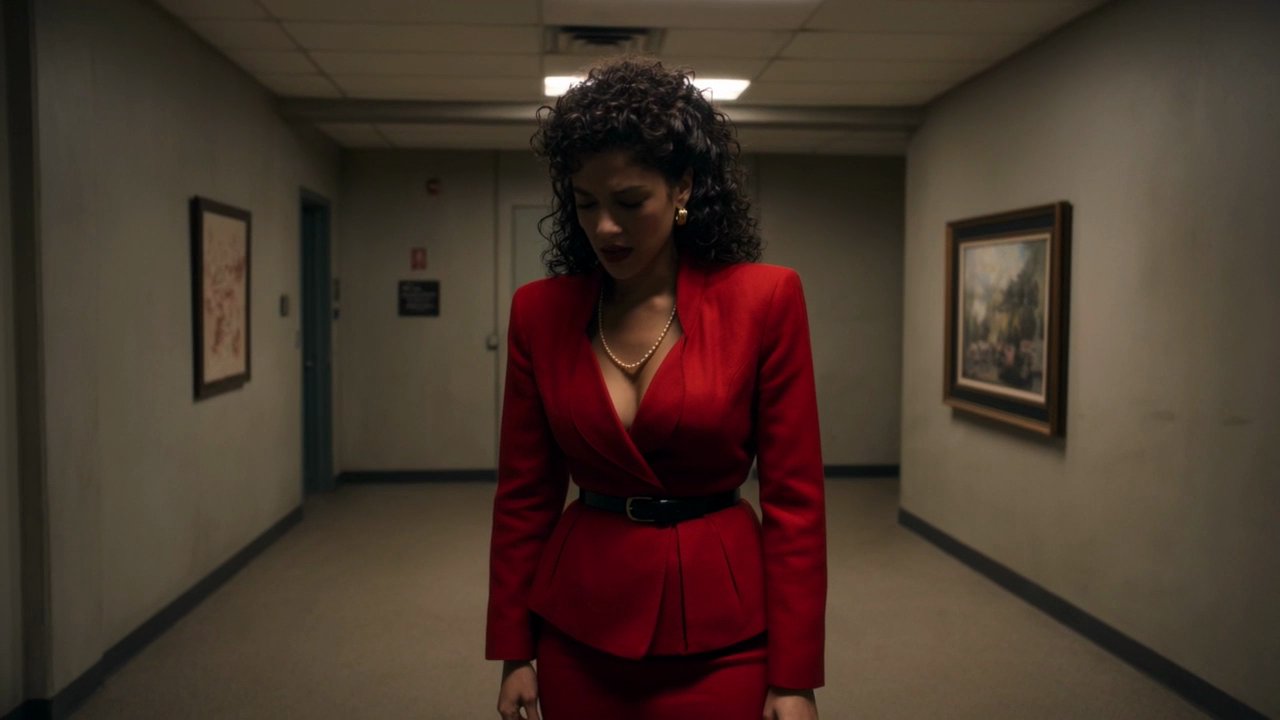
Really, gpt-image-2 just crushes on the setting. There’s this gritty atmosphere, and the lighting casts a specific effect around the subject in each scene. There’s real interesting art available here, which feels alive and somehow more real than a lot of the movies I’ve seen lately on the streaming channels.
This is the start frame of the entire video. I particularly like the mixed use of lighting with warm lights on the left and cool on the right. Dark and mysterious vibe, and plenty of doors.
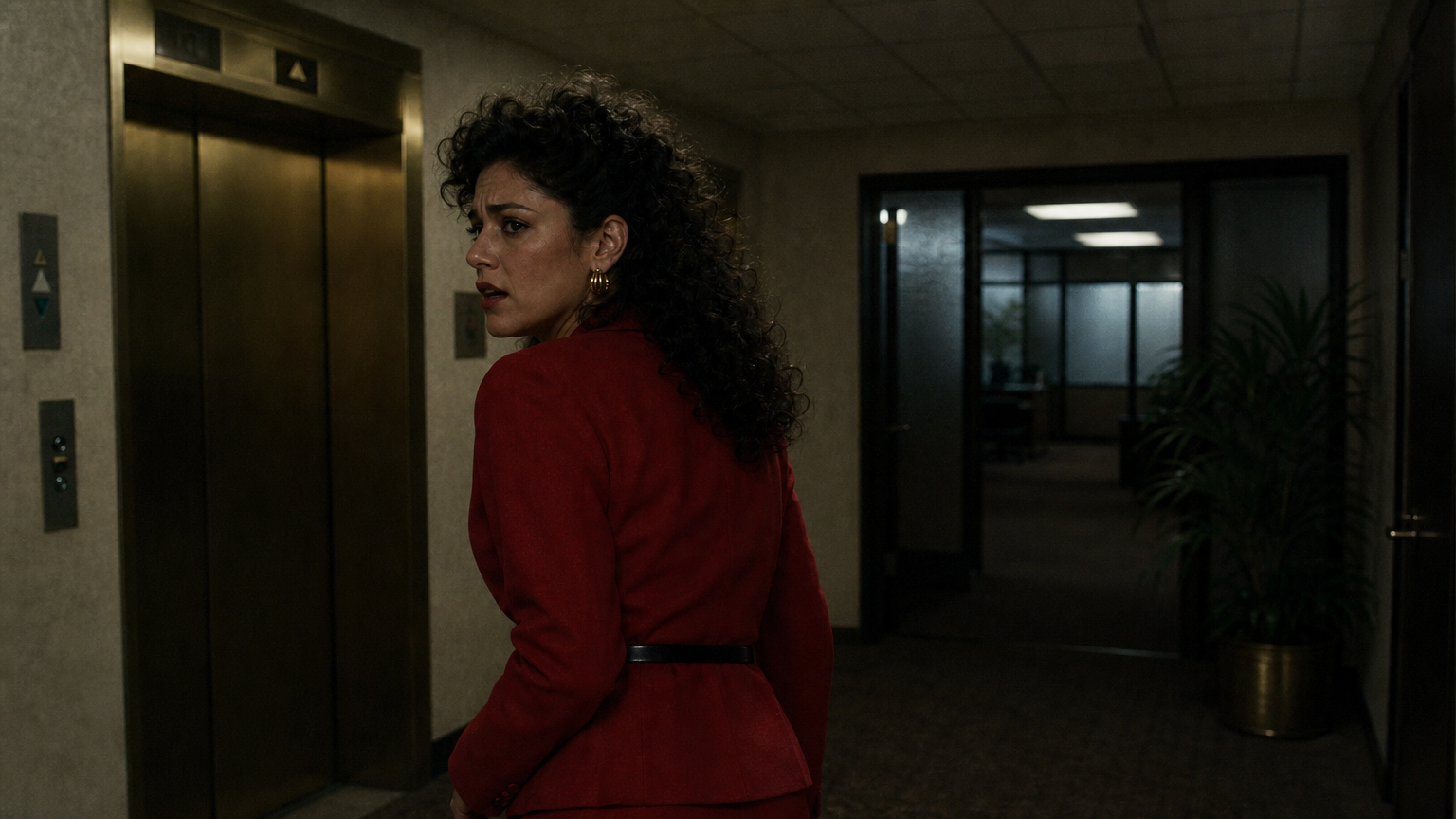
Oh, and in the images you just scrolled thru… how many had a killer clown in them? One, two, or all of them? I’ll leave that as a fun exercise for the viewer.
What’s my take on how’d the full test went? I have to say about as well as expected. The same way all AI work seems to go. In some ways, it’s incredible. And in other ways, there’s so much more work to do. It does have me wonder about a much, much longer runtime. I need a better hook than just being trapped in a 1986 office filled with clowns. It would need doors, and some gritty component associated to it. This is also the longest single video run i’ve done with this system. The entire thing is preposterous.
If you need some B-roll footage, here you go? Ha!
Video:
Debugging a virtual world that’s inherently visual is an interesting exercise. This contact sheet idea works rather well to get a sense of how everything is going together.
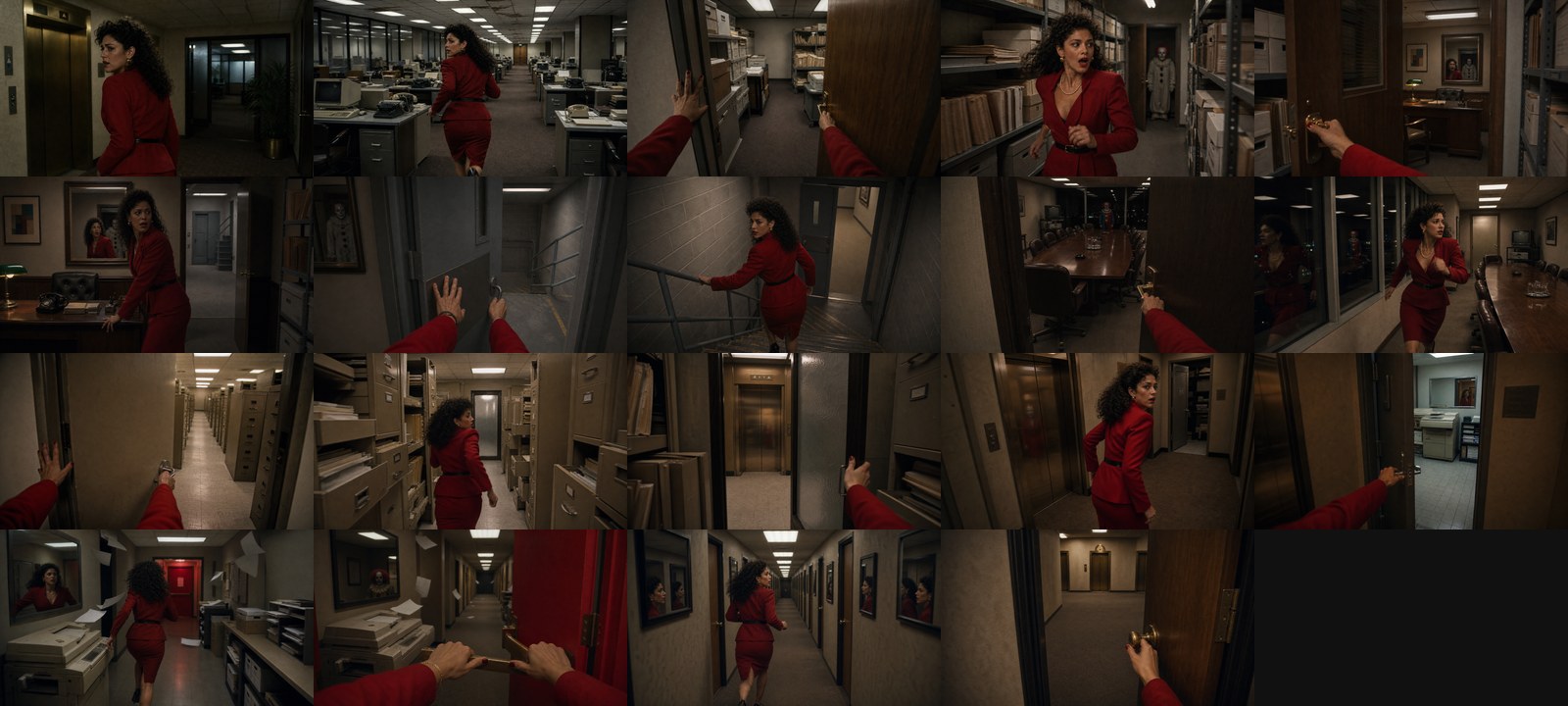
There’s more work to do. The next run will be longer, and have more doors-but also vehicles.
Thanks for reading! Subscribe for free to receive new posts and support my work.