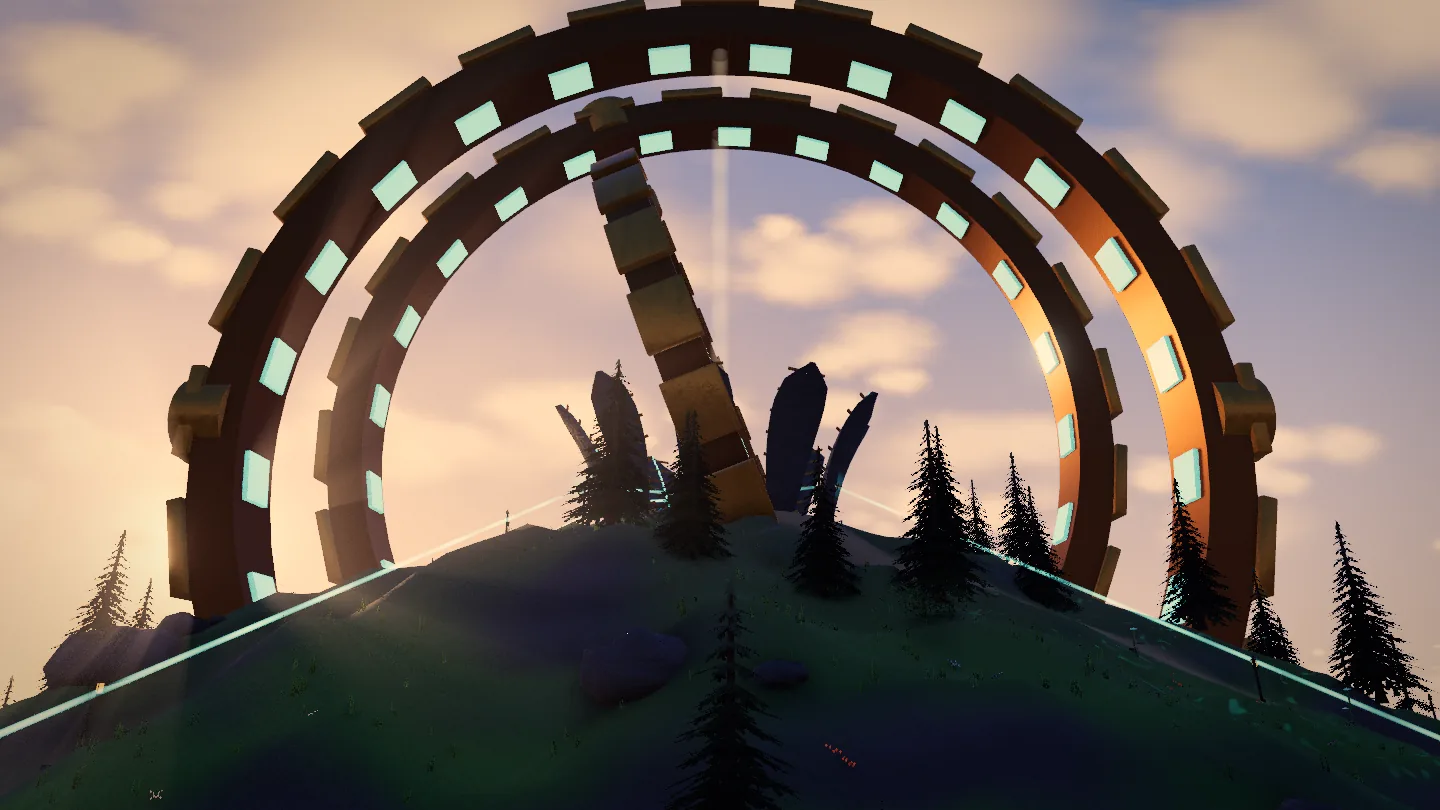
Browser worlds, built in public
IslandLab
Three islands. One growing world.
The first build asked whether a browser could make an island worth walking around. The second gave that island a memory. The third arrived after a storm with a robot, a job to do, and far too many repair cards.
- 3
- playable builds
- 1
- shared shoreline
- V4
- coming next
One experiment at a time
Keep the ground. Change the question.
Each version starts with something the last one learned. Terrain and water survive. Then state, people, and routines arrive. By V3, the island can hold a story, a storm, and a turn-based league run by robots.
The rough edges stay useful. They show which problem each build was trying to solve before the next version made the problem bigger.
The build sequence
Terrain. Memory. Adventure.
-
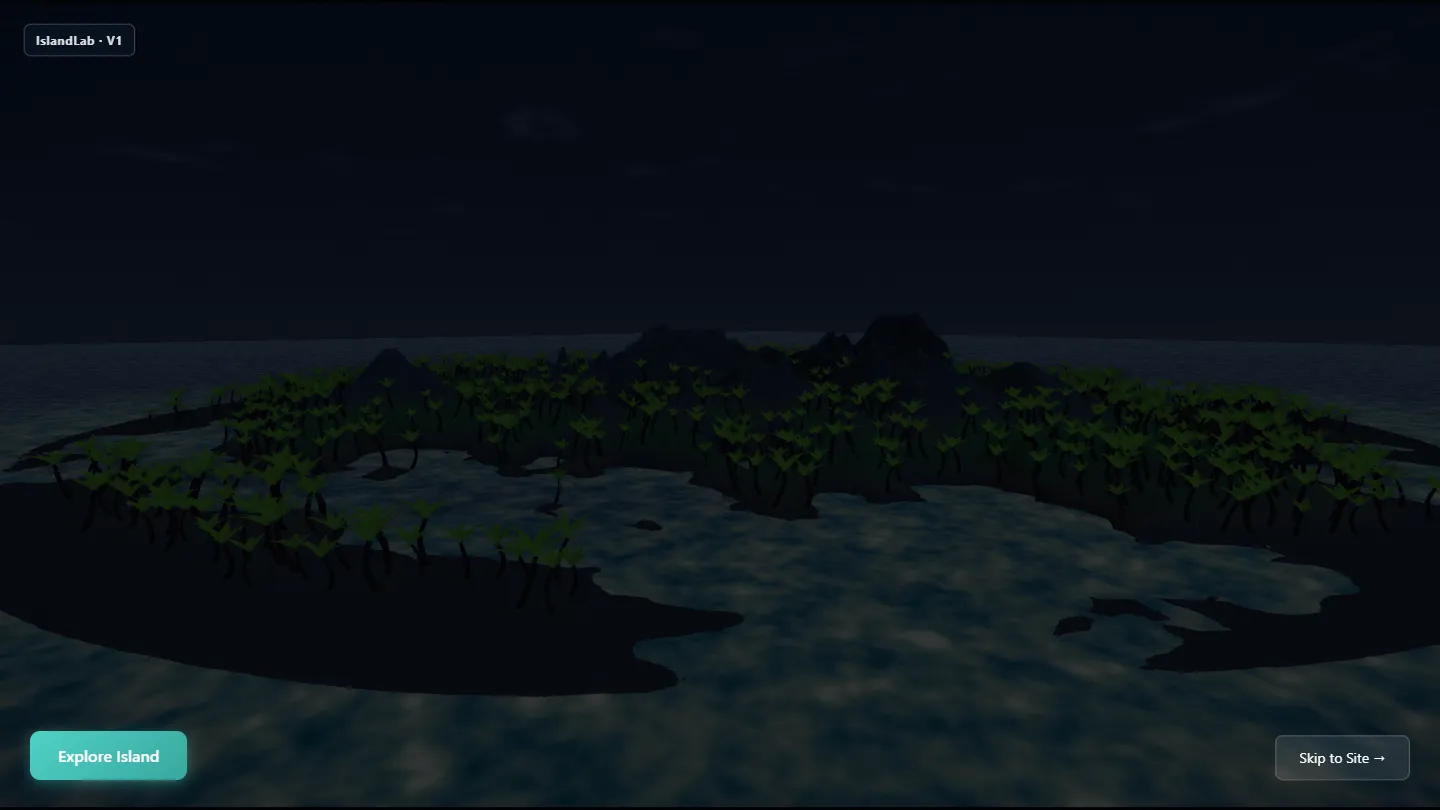
V1 · Procedural study
Can the browser make a place worth exploring?
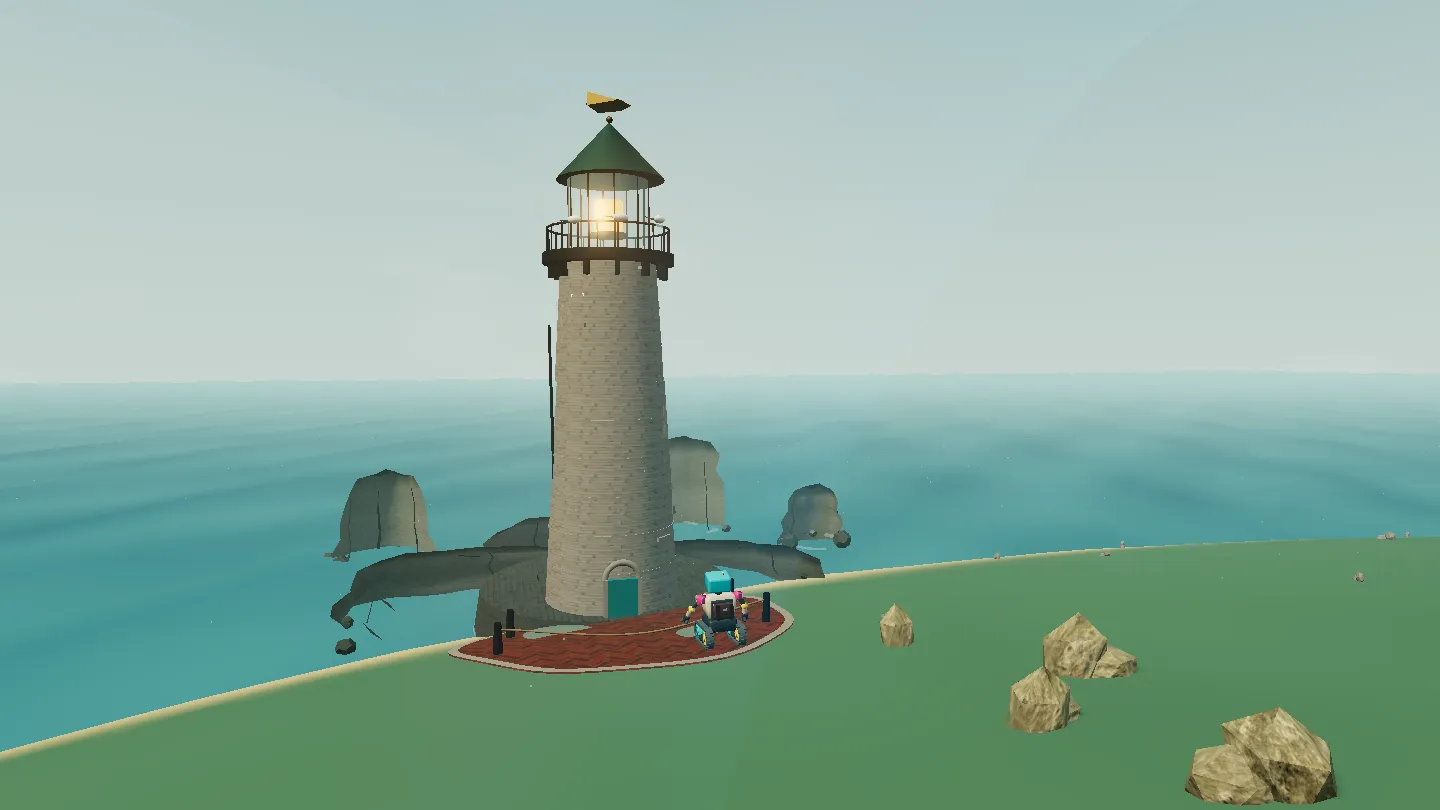
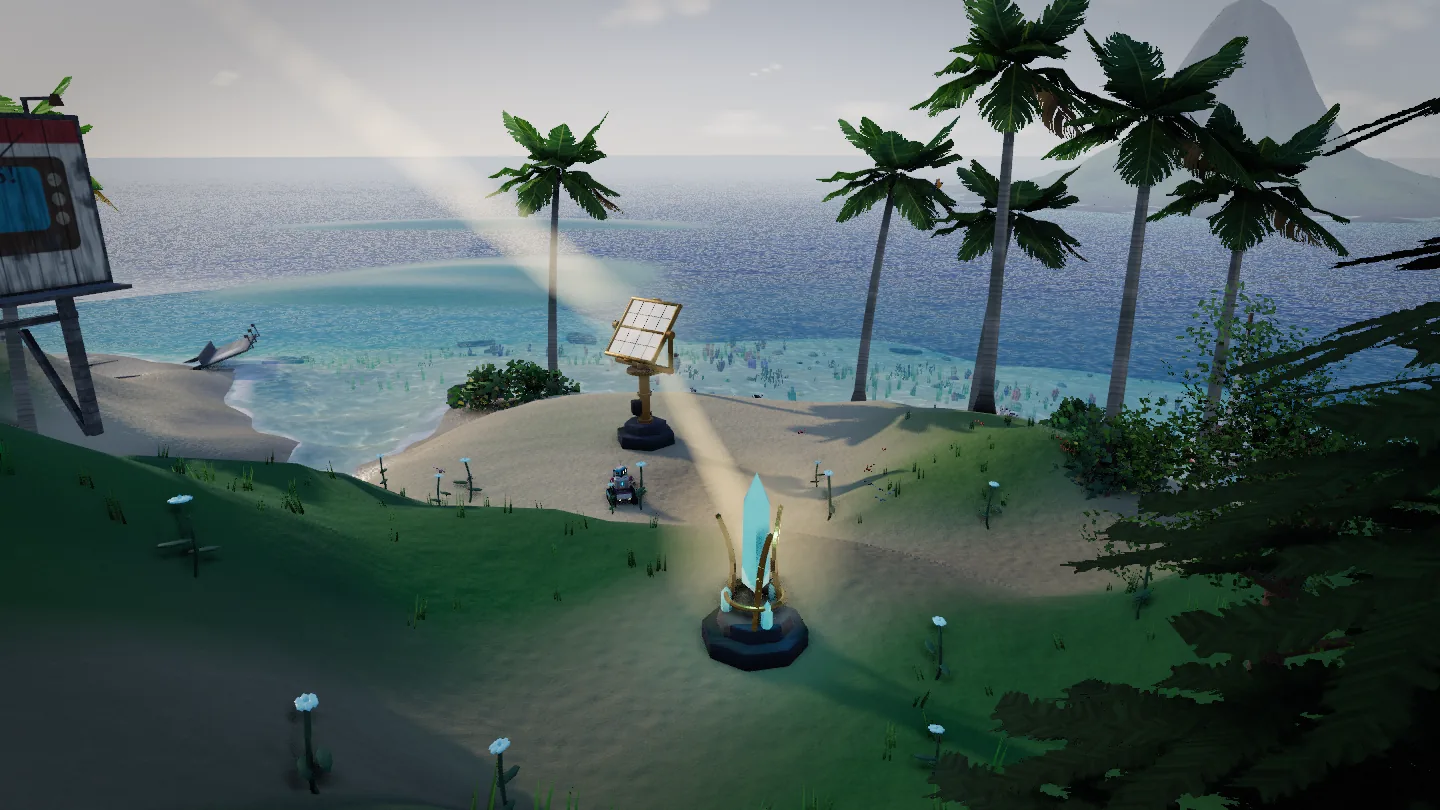
V1 builds the island from noise, shapes the coastline on the GPU, moves the ocean with Gerstner waves, and opens with a cinematic orbit before handing over the camera.
- Procedural terrain
- Cinematic camera
- Free roam
- Touch controls
What carries forward: the terrain, ocean, camera language, and idea that the island itself is the main character.
-
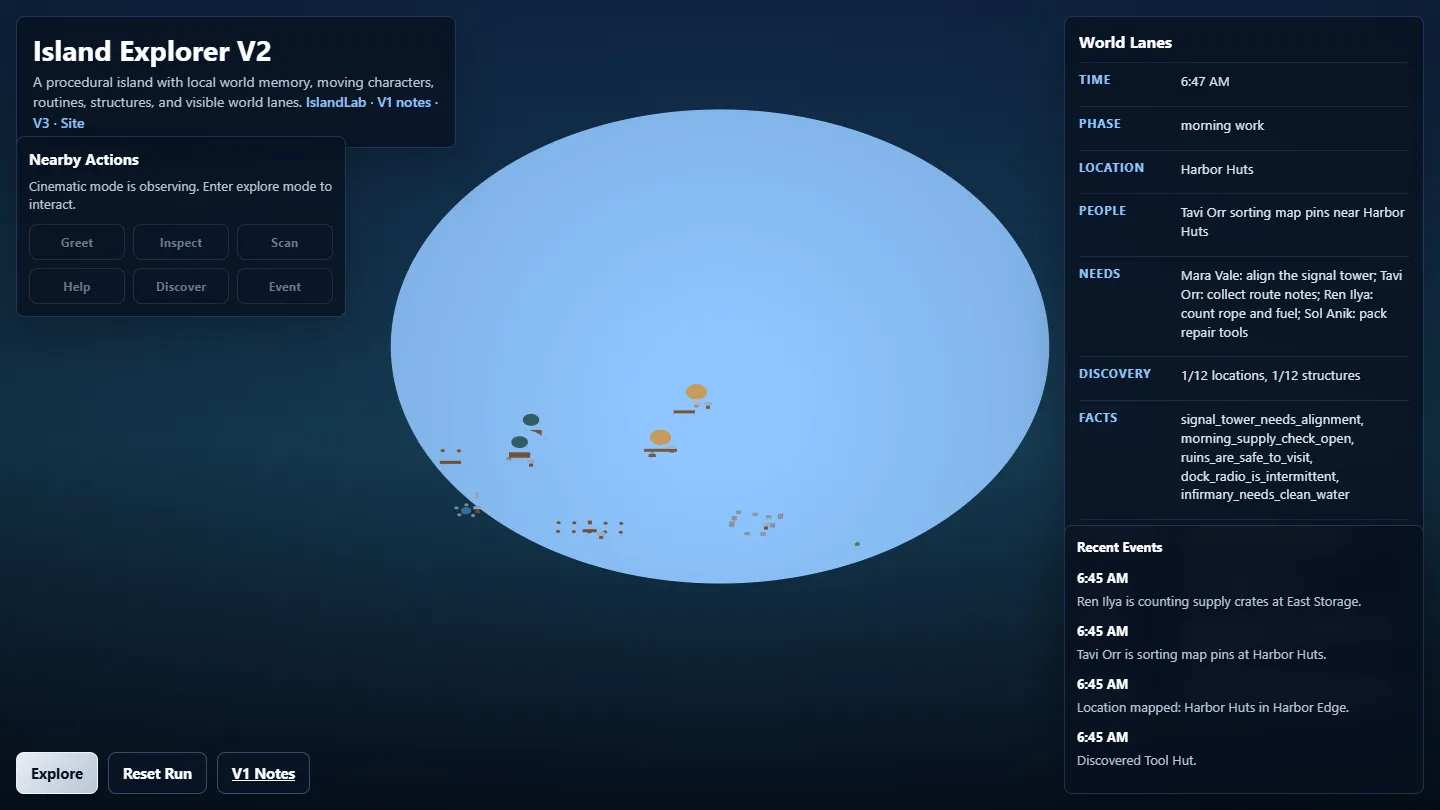
V2 · Living world
What changes when the island remembers?
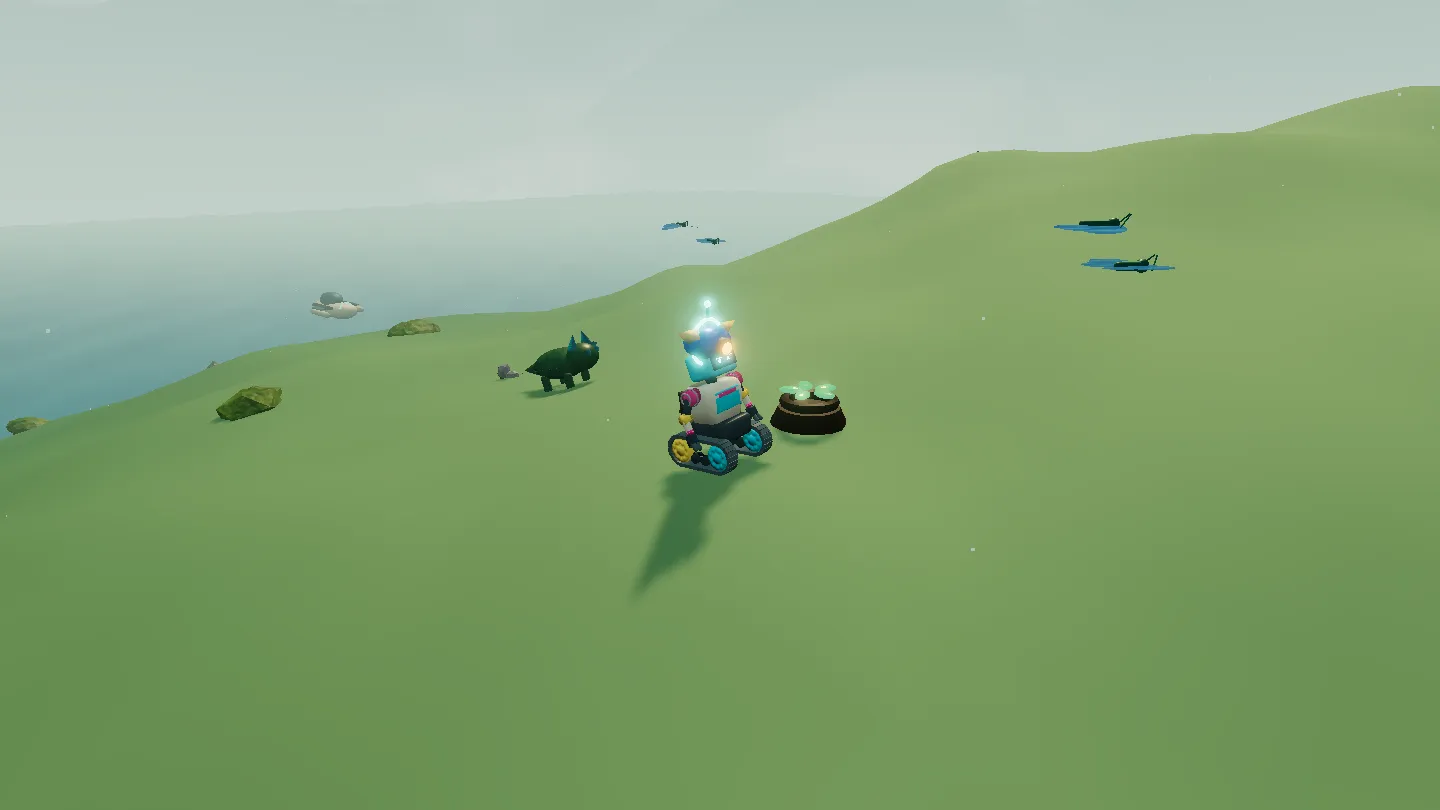
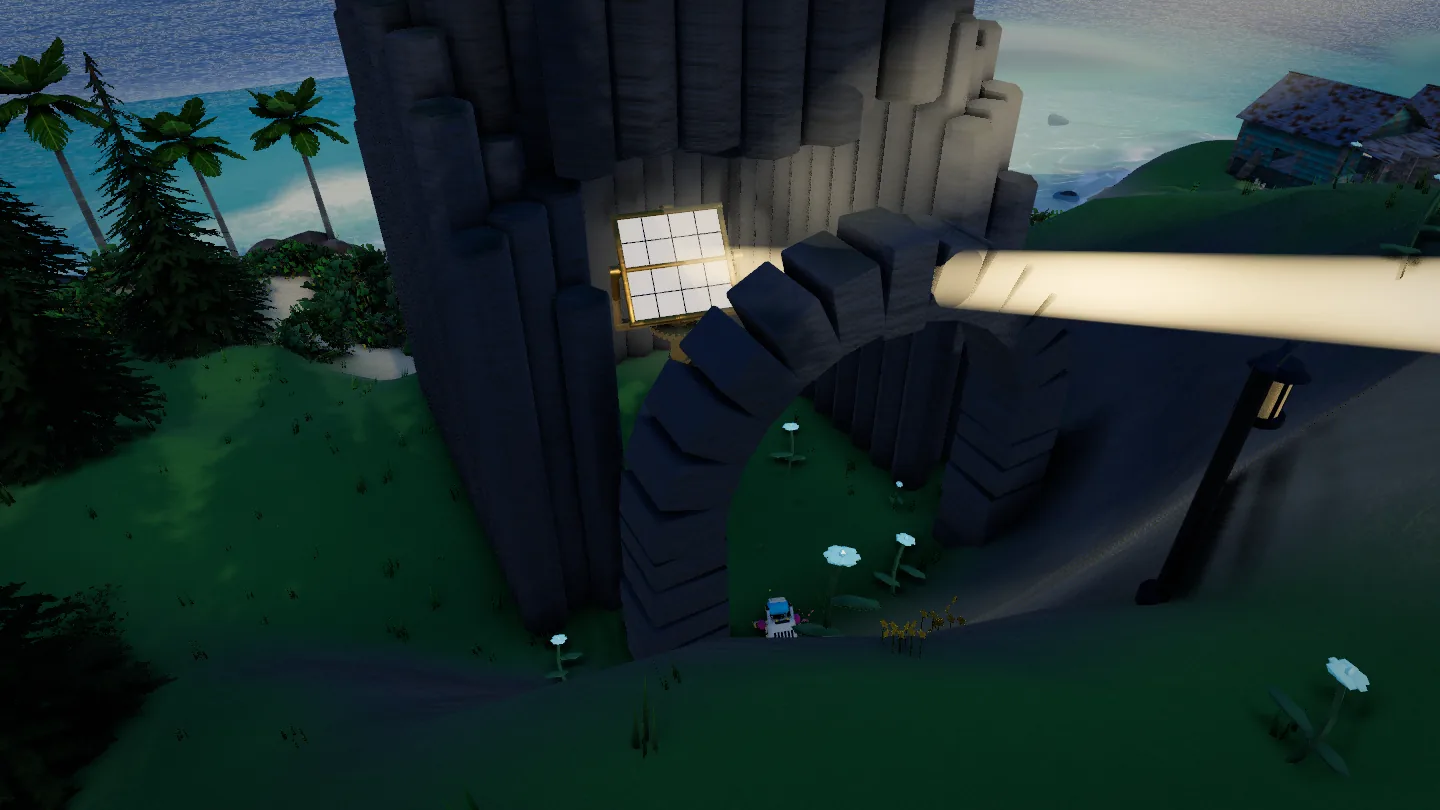
V2 adds people with routines, structures with meaning, nearby actions, event history, and a world store that keeps the simulation coherent while the player moves through it.
- World memory
- Character routines
- Nearby actions
- Visible state
What carries forward: exploration becomes a way to meet a simulation instead of only viewing scenery.
-
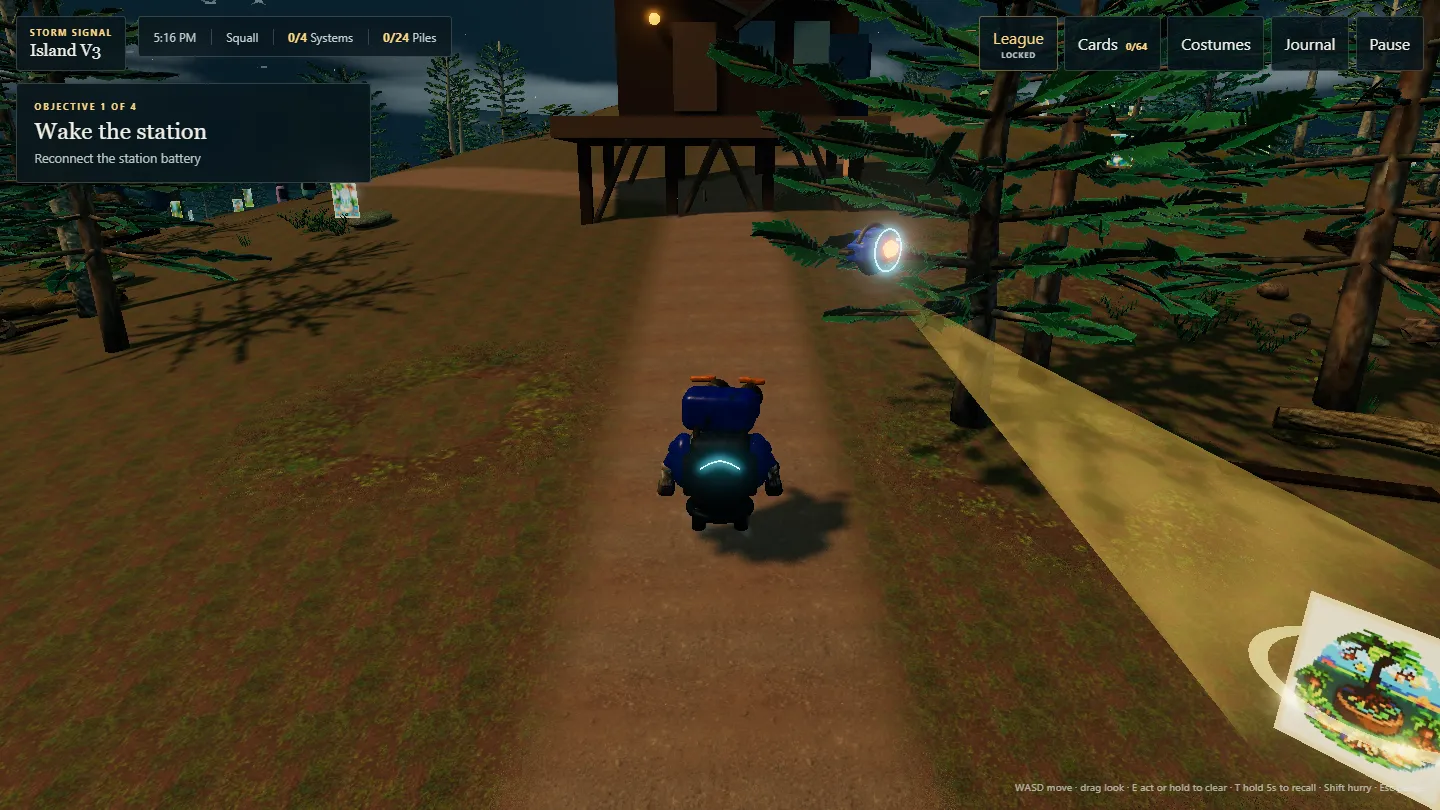
V3 · Storm Signal
What if the living world becomes a game?
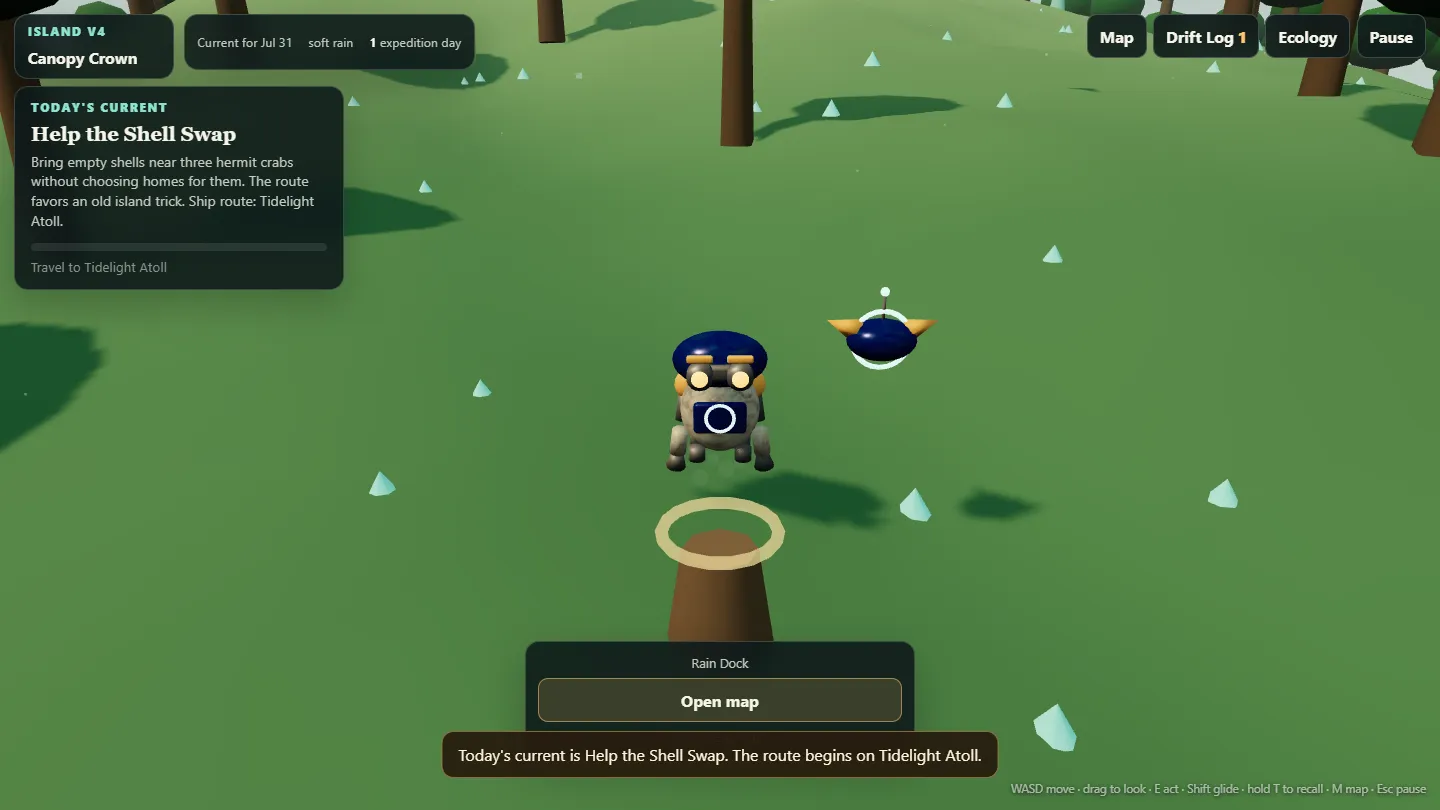
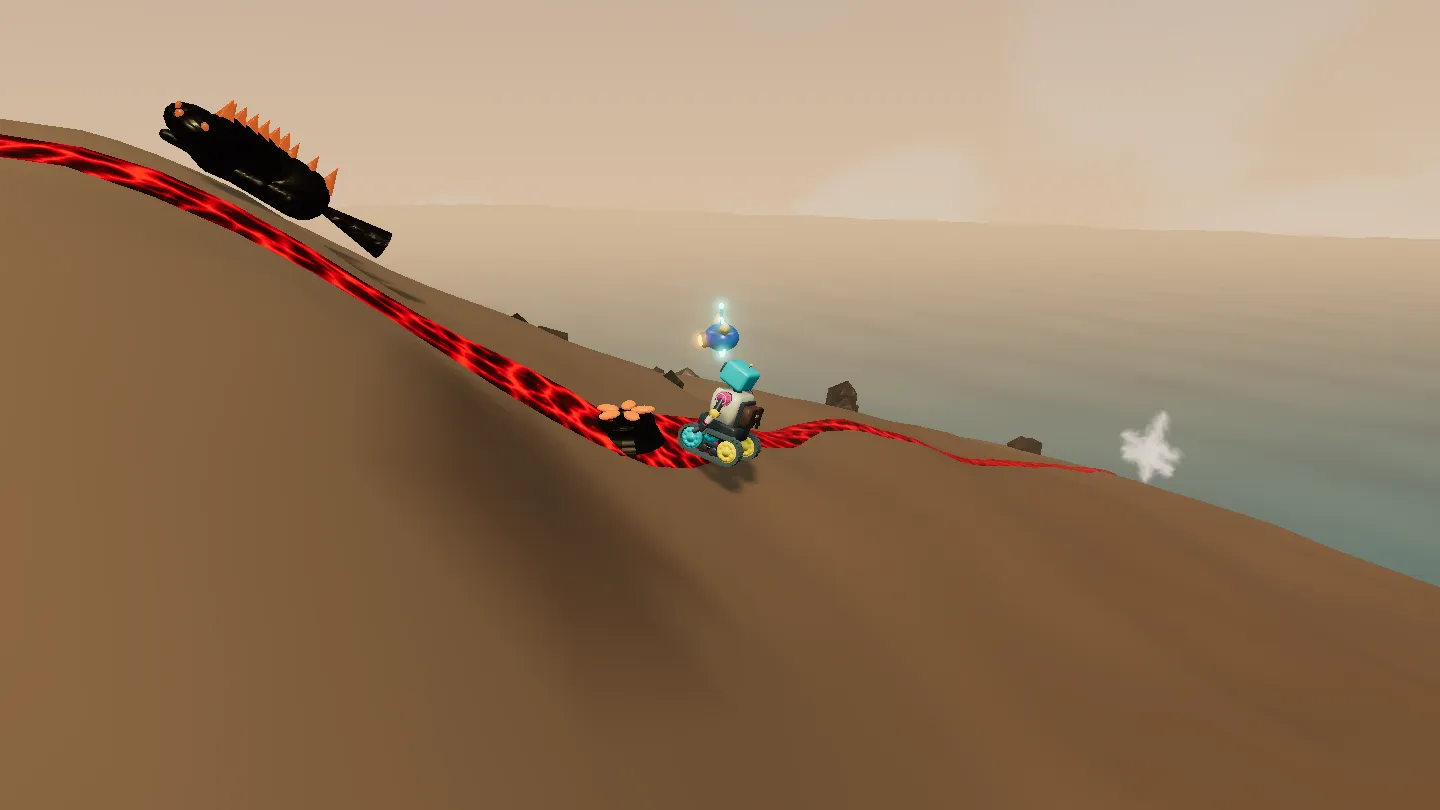
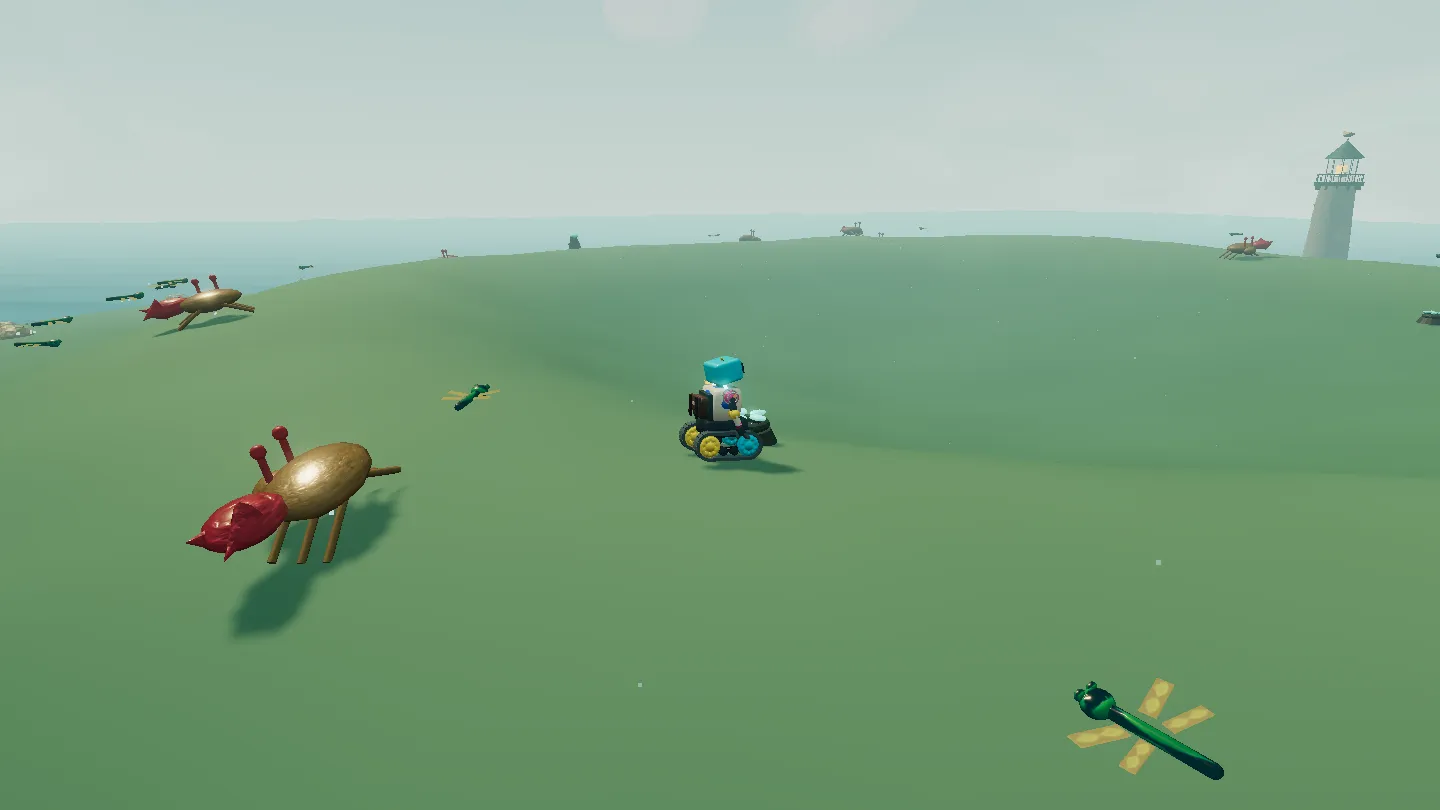
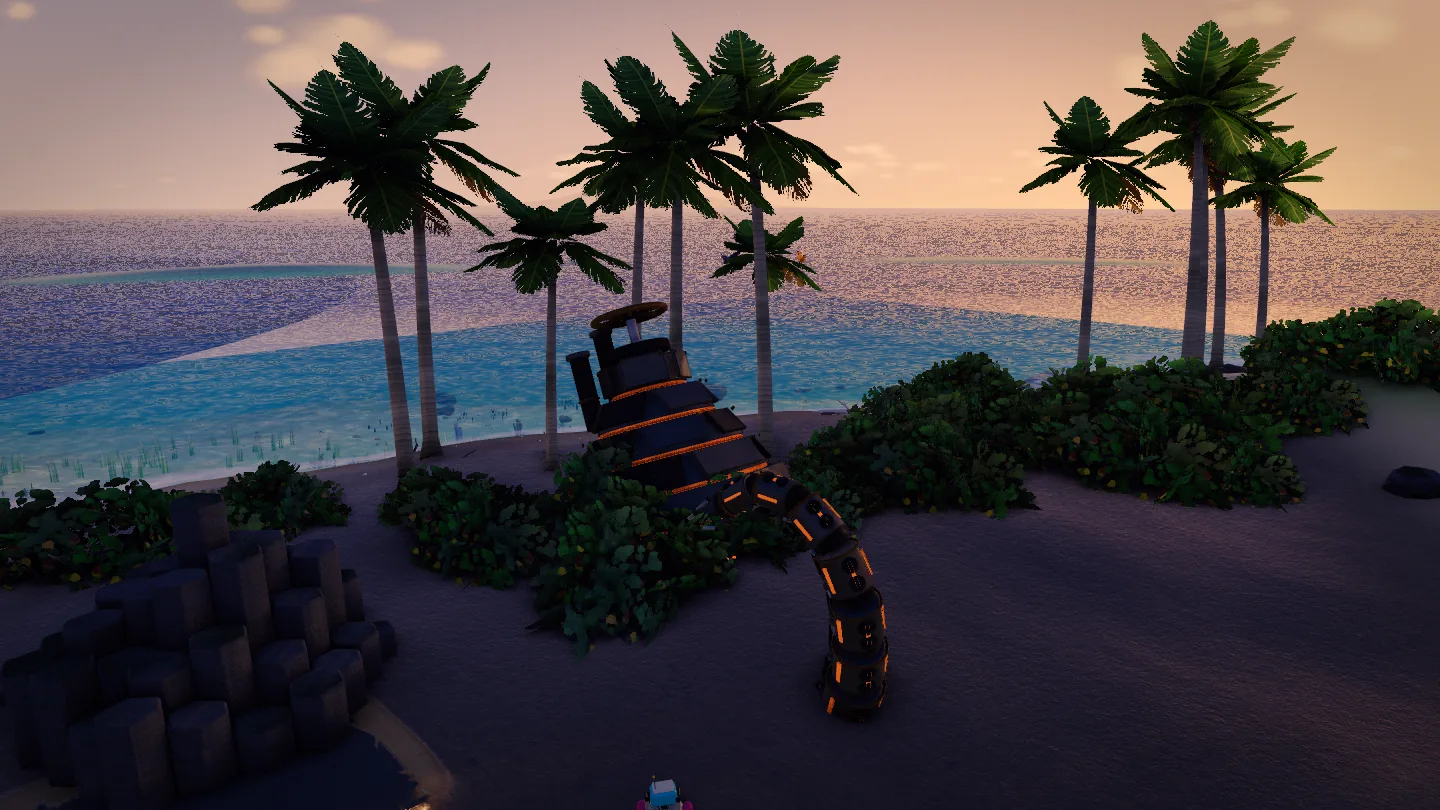
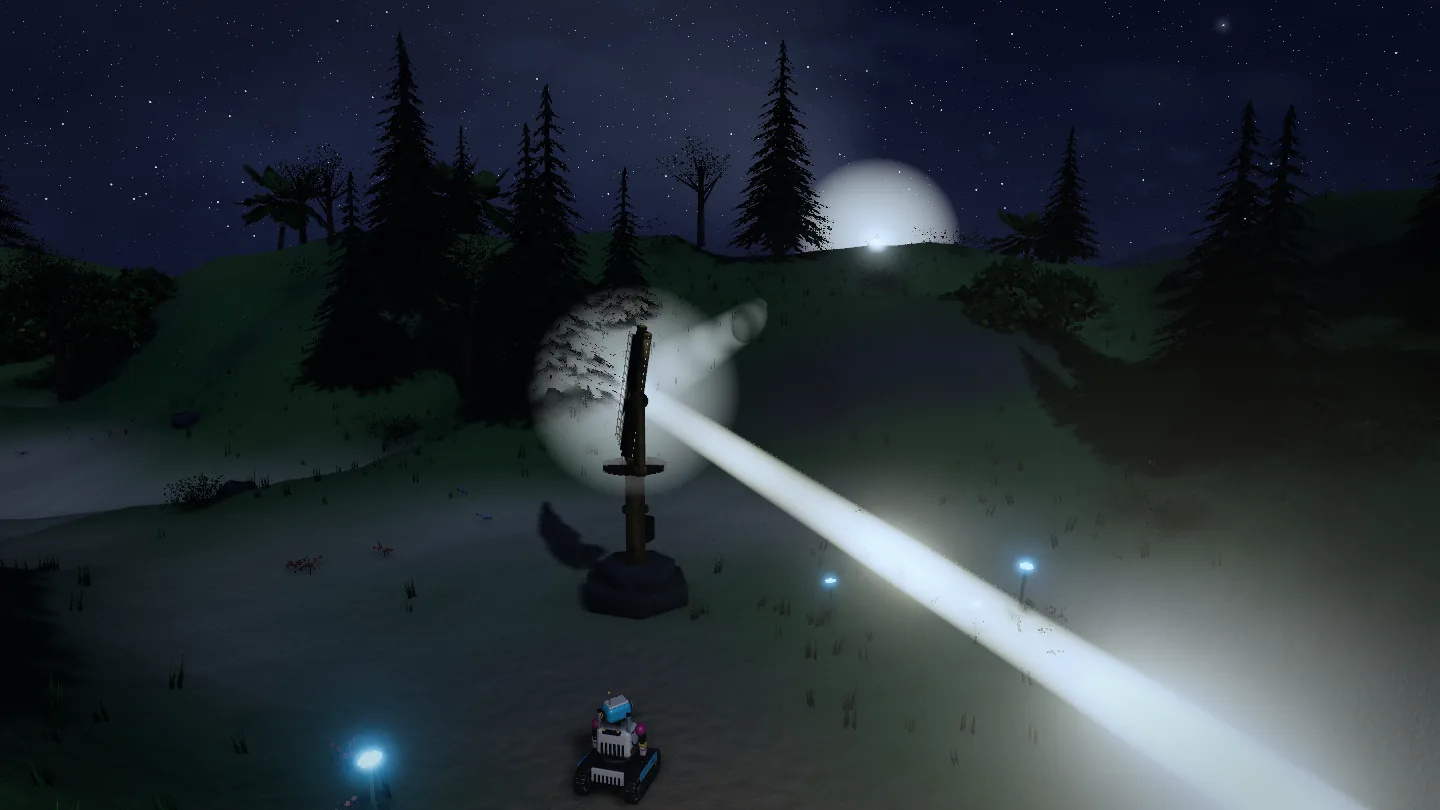
V3 gives the island consequences. A robot restores four field systems while weather, wildlife, water, and light respond. The same world also holds cleanup work, 64 repair stories, unlockable costumes, and a Field League where robots coach human teams.
- Four objectives
- Responsive ecology
- Repair collection
- Turn-based league
What carries forward: the island is still the experiment, but now the player can change its condition and build a history inside it.
The next shoreline
V4 is coming.
The next experiment will join the sequence when it is ready. Until then, the map stays folded.
How the lab works
Build the question, then walk through the answer.
Start with one hard question.
A version earns its number by testing a new behavior, not by changing the paint.
Keep what survived.
The useful terrain, controls, state, and lessons move forward. The rest can stay in the old build.
Leave the versions playable.
The earlier experiments remain open so the change can be experienced instead of merely described.